Jones Park is taking a bold step toward sustainability by announcing its commitment to hosting zero-waste events. The initiative, part of a larger citywide push to cut down on landfill contributions, aims to make every gathering in the park — from small community picnics to major festivals — entirely trash-free. But what does “zero-waste” actually mean, and how does the park plan to make it work?
What Zero-Waste Really Means
The concept of zero-waste is about much more than simply recycling. At its core, it’s a system designed to reduce, reuse, and rethink how materials are consumed. A zero-waste event ensures that nearly all discarded items are either composted, recycled, or reused, keeping them out of the landfill. In practice, this means everything from food packaging to decorations is carefully selected and managed to minimize waste.
For Jones Park, this means creating an event blueprint where nothing ends up in traditional trash cans. Instead, waste stations will separate compostables, recyclables, and reusables, making it easy for attendees to dispose of items responsibly.
Why Jones Park Is Leading the Way
Asheville has long been recognized as a hub for eco-conscious living. The decision to roll out zero-waste events at Jones Park is seen as a natural extension of the city’s green identity. Park officials believe this initiative will not only reduce environmental impact but also educate the community.
“Every event can be a teaching moment,” says Karen Lopez, sustainability coordinator for the project. “When families see how easy it is to separate their waste and avoid plastic altogether, it changes habits beyond just one afternoon in the park.”
Strategies for Trash-Free Gatherings
To make the transition successful, Jones Park is implementing several key strategies:
- Reusable Serviceware: Vendors will be encouraged to use washable plates, cups, and utensils, or provide compostable alternatives.
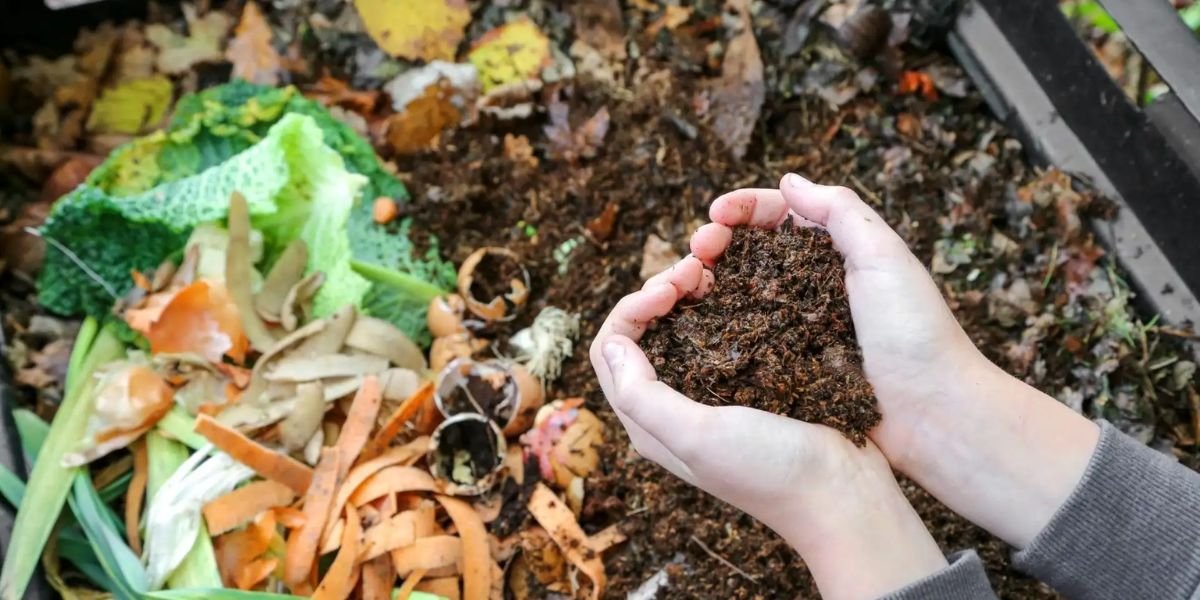
- On-Site Composting: The park will install compost bins and partner with local composting services to handle organic waste.
- Education Booths: Every event will include a “green station” where volunteers explain how to properly sort materials.
- Ban on Single-Use Plastics: Water bottles, straws, and plastic bags will be phased out in favor of refill stations and reusable containers.
- Volunteer Waste Monitors: Local volunteers will guide attendees in sorting waste correctly, ensuring high compliance rates.
Community Reactions: Excitement and Concerns
Many Asheville residents are thrilled by the park’s eco-friendly shift. “This is the kind of leadership we need,” says Mark Stevens, a frequent visitor. “If our public spaces can go zero-waste, it sets an example for the rest of the city.”
Still, some are cautious. Local food vendors worry about the added costs of compostable packaging or reusable dishware. Parents also expressed concerns about convenience, fearing that sorting waste could be confusing for young children.
Park organizers acknowledge these challenges but believe the long-term benefits will outweigh the short-term adjustments. “There may be a learning curve, but communities adapt,” says Lopez.
The Environmental Payoff
By cutting down on landfill contributions, Jones Park’s events could significantly reduce greenhouse gas emissions. Landfills are a major source of methane, a potent contributor to climate change. Composting food scraps instead not only avoids these emissions but also creates nutrient-rich soil that can be used for local gardening and park landscaping.
In addition, eliminating single-use plastics helps reduce litter that often ends up in waterways. Given Asheville’s proximity to the French Broad River, this initiative could also help improve local water quality.
The Bigger Picture: A Model for Other Parks
Jones Park’s zero-waste events could serve as a blueprint for other communities. If successful, the model may be adopted by other Asheville parks and eventually inspire similar efforts across North Carolina.
Local environmental groups are already taking note. “We’ve been pushing for this for years,” says Emily Grant of Green Asheville. “Jones Park is showing that sustainability doesn’t have to be a buzzword — it can be lived out in everyday community life.”
Looking Ahead
The park will test its zero-waste system during upcoming community events this fall. Officials plan to track data on how much waste is diverted from landfills and publish results to the community. Success will depend heavily on public cooperation and ongoing vendor partnerships, but the early momentum suggests that Asheville residents are ready to embrace the change.
Conclusion: A Trash-Free Future
Jones Park’s zero-waste initiative highlights how a single public space can spark larger cultural change. By encouraging residents to think differently about their waste, the park is doing more than hosting events — it’s modeling a sustainable way of life.
If successful, Jones Park may soon be known not only for its green spaces but also for its role in pushing Asheville toward a trash-free future.
Would you attend a zero-waste event at Jones Park? Share your thoughts in the comments below!