Nestled on the slopes of Sunset Mountain, Albemarle Park is more than a historic neighborhood—it’s a carefully preserved example of Asheville’s early landscape and architectural vision. Designated a Local Historic District, Albemarle Park is governed by a unique set of rules and architectural guidelines intended to protect its character, charm, and historical integrity.
For residents, prospective homeowners, architects, or even curious visitors, understanding the rules that shape Albemarle Park is key to appreciating its beauty and significance.
Here’s everything you need to know about the rules that govern Albemarle Park in Asheville.
Why Rules Matter in Albemarle Park
Albemarle Park was conceived in the 1890s as one of the first planned residential park communities in the South. With winding roads, native landscaping, and homes designed to blend with the mountainside, it was a retreat for summer residents and a pioneer in harmonious land use.
To preserve that vision, the City of Asheville and the Historic Resources Commission (HRC) enforce design guidelines that regulate everything from roofing materials to fence height. These rules ensure the district remains visually cohesive and historically respectful—even as individual properties are maintained, repaired, or updated.
Governing Bodies
The main authority overseeing Albemarle Park’s architectural regulations is the:
- Asheville Historic Resources Commission (HRC)
- Under the broader guidance of the City of Asheville’s Historic District guidelines
Any changes to a property’s exterior—renovations, new construction, or even minor modifications—must comply with these guidelines and often require a Certificate of Appropriateness (COA) before work can begin.
Key Rules and Guidelines in Albemarle Park
Here are some of the most important rules that guide development and preservation in Albemarle Park, according to the official architectural guidelines:
1. Maintain Historical Character
Any alteration or new construction must respect the original architectural style of the home or surrounding buildings. This means:
- Using historically appropriate materials (e.g., wood, stone, stucco)
- Preserving architectural features such as brackets, porches, and trim
- Matching original window and door designs when replacements are needed
2. No “Faux-Historic” Designs
The guidelines discourage the addition of features that imitate historic elements in a way that wasn’t part of the original building. The goal is to preserve authenticity, not to create a false sense of history.
3. Respect the Landscape
Albemarle Park was designed to feel like it grew from the mountainside. Any new work must preserve the natural topography and vegetation. This includes:
- Avoiding large retaining walls or excessive grading
- Preserving mature trees and native plants
- Keeping driveways narrow and unobtrusive
4. Controls on Fences and Walls
The construction of fences, gates, and walls is allowed but regulated. Generally:
- They should not obstruct views of the landscape or buildings
- Natural materials like stone or wood are preferred
- Metal fencing must be historically appropriate and visually light
5. Additions Must Be Subordinate
If a homeowner wishes to expand a historic home, the addition must appear secondary to the original structure. This means:
- It should be located at the rear or side
- It should be smaller in scale
- It must not overshadow the historic form or roofline
6. Outbuildings and Garages
Garages, sheds, and other accessory structures must:
- Be compatible with the main house in style and material
- Be placed in a way that minimizes their visibility from public roads
- Avoid dominating the property
7. Roofing and Siding
Materials must match the original or historically appropriate substitutes. For example:
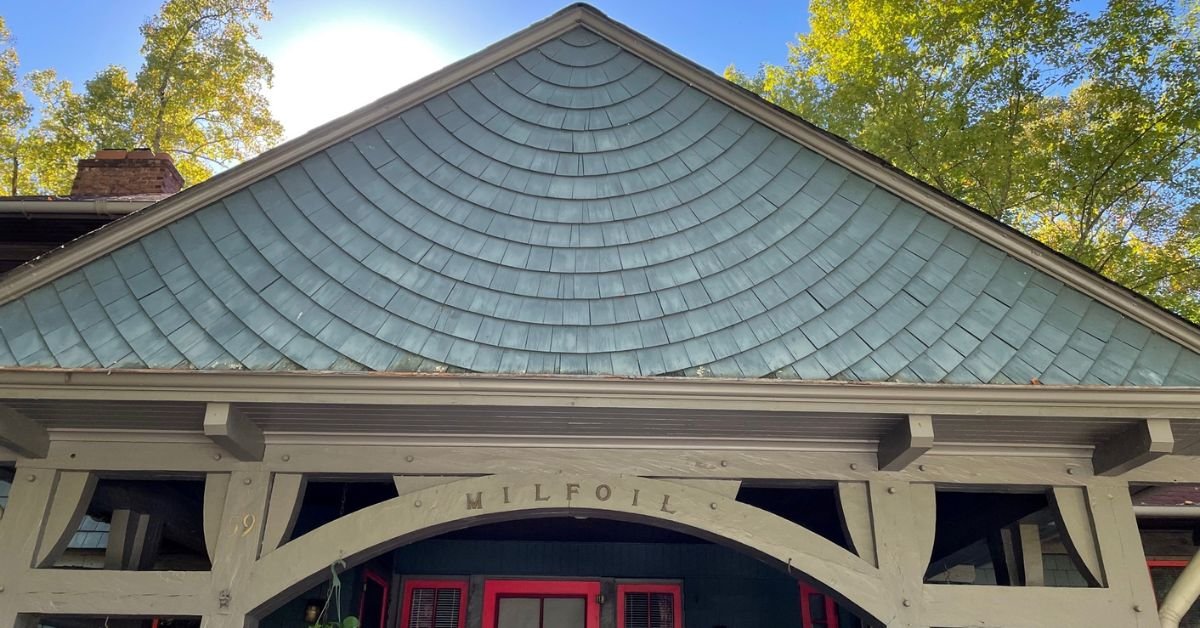
- Wood shingles, slate, and standing-seam metal are encouraged roofing materials
- Vinyl and aluminum siding are strongly discouraged
Certificate of Appropriateness (COA)
Before beginning any exterior changes, property owners must apply for a Certificate of Appropriateness through the HRC. This ensures the proposed work complies with the district’s preservation guidelines.
Some actions (like minor repairs or repainting in the same color) may be approved at the staff level, but major changes require a full HRC review, which includes public notice and a hearing.
Why These Rules Are Important
Without these rules, the historical and visual integrity of Albemarle Park could be lost over time. Each regulation plays a role in:
- Preserving the original mountain park vision
- Protecting property values within the district
- Ensuring future generations can experience Asheville’s architectural and landscape heritage
The rules don’t exist to freeze the neighborhood in time—but to guide thoughtful evolution that respects the past while allowing for modern needs.
Living in or Visiting Albemarle Park
Residents of Albemarle Park often say they feel like they live in a “park within a city.” The quiet roads, mature trees, historic cottages, and mountain views make it a unique environment.
For visitors, Albemarle Park offers a self-guided walk through architectural history, and a glimpse into a time when development was intentionally shaped by the natural landscape.
Whether you’re a homeowner planning renovations or someone who simply admires Asheville’s beauty, understanding Albemarle Park’s rules helps ensure the neighborhood’s legacy lives on.