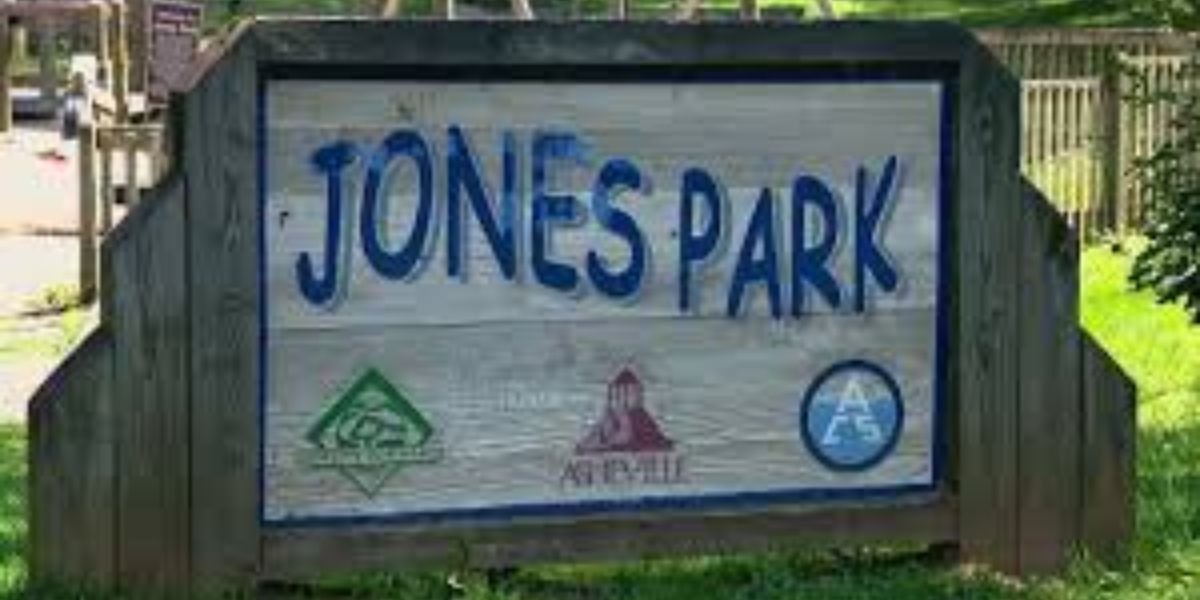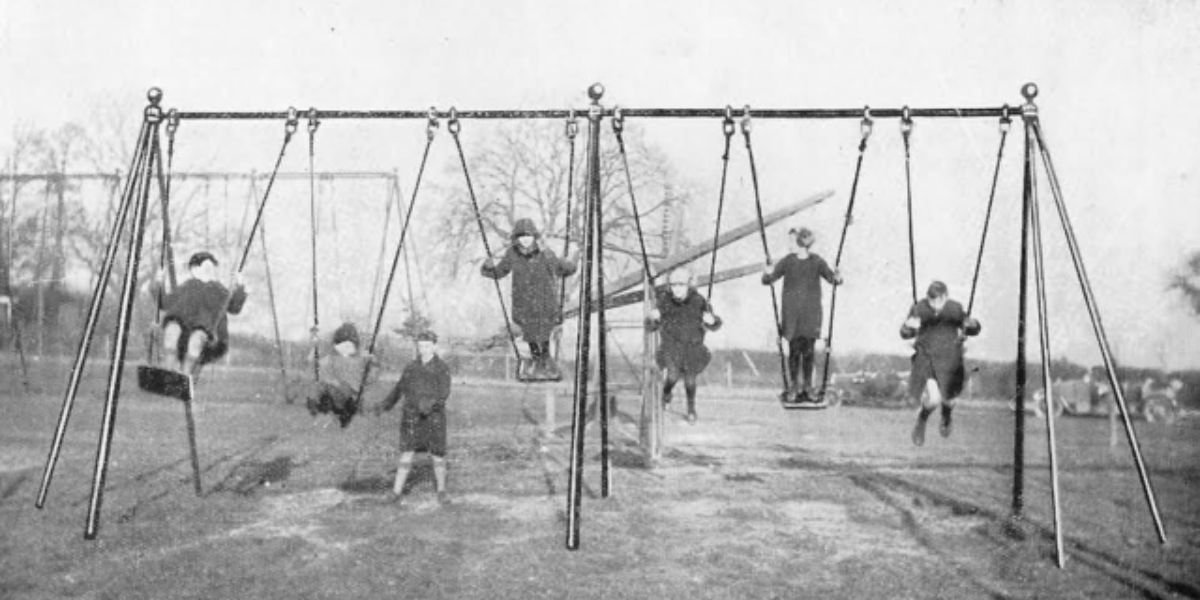
Before the new playground equipment, solar lights, and colorful murals, Jones Park was defined by something far simpler — the old swings. For decades, those creaky metal frames stood as a symbol of laughter, friendship, and carefree childhood afternoons. Generations of Asheville residents grew up swinging under the Carolina sky, feeling the rush of air and freedom that only those swings could offer. Though they’ve now been replaced, their story still echoes through the memories of the community.
A Local Landmark That Defined Generations
Installed in the early 1970s, the original Jones Park swings were part of the city’s first effort to modernize public play areas. Back then, playgrounds weren’t about bright plastic or soft rubber surfaces. They were built tough — steel chains, heavy seats, and gravel beneath your feet.
For children of that era, those swings weren’t just playground equipment; they were a rite of passage. Many Asheville locals remember competing to see who could swing the highest or jump the farthest. “We used to spend hours there after school,” recalls Debbie Lawson, a lifelong resident. “Those swings were where friendships were made, and sometimes, where young love began.”
Over the years, they became a familiar backdrop for community events, family photos, and quiet reflection. Parents who had played there as kids later brought their own children to do the same — a true cycle of community tradition.
Why the Old Swings Were Removed
By the late 2010s, the old swing set had begun to show its age. The once-gleaming metal had rusted, the ground beneath was uneven, and safety standards had evolved significantly since the 1970s. City inspectors recommended a full replacement to meet modern playground safety codes, including impact-resistant surfacing and improved spacing for accessibility.
It wasn’t an easy decision for park officials. “We knew how much those swings meant to the community,” said Emily Cross, an Asheville Parks Department representative. “But the safety of our visitors had to come first. We wanted to honor the past while creating something secure and inclusive for the next generation.”
In 2021, the swings were dismantled and replaced with a new play structure designed to meet current safety and accessibility standards. The update included new seating materials, soft flooring, and shaded benches for parents. Yet for many, the emotional connection to the old swings still lingers.
Community Reactions: Nostalgia and Change
The removal of the swings brought an unexpected wave of nostalgia. Longtime residents flooded social media with photos, sharing stories about the days they spent there. “Those swings were my childhood,” one commenter wrote on a local Facebook group. “I remember walking home with dusty shoes and sore hands, but I never wanted to stop.”
Others supported the upgrade, recognizing the importance of safety and modernization. “It’s bittersweet,” said James Porter, a father of two. “My kids love the new playground, but I’ll always remember how the old swings squeaked when you really got going.”
That emotional divide captures something essential about Jones Park’s identity — the balance between preserving history and embracing change.
Honoring the Past: A Community Memory Project
To ensure those memories aren’t forgotten, the Asheville Parks Department, along with a few local volunteers, began a community storytelling project in 2023. Residents were invited to share their stories, photos, and even old videos of Jones Park.
A few sections of the old swing set were saved and repurposed into an art installation near the park’s main walkway — a subtle but meaningful reminder of what once stood there. A small plaque now reads:
“In memory of the laughter that once filled this space. May it never fade.”
Local schools also got involved by having students interview older residents about their experiences in the park. The result was a collection of short stories, “Voices of Jones Park,” now archived at the Asheville Public Library.
A Symbol of Asheville’s Changing Spirit
The story of the old swings isn’t just about a piece of playground equipment — it’s about the spirit of community evolution. Asheville has changed dramatically over the decades, yet places like Jones Park keep its sense of continuity alive. The swings may be gone, but their legacy remains in the shared experiences they inspired.
For some, it’s the sound of chains clinking in the summer wind; for others, it’s the memory of running barefoot through the grass at sunset. Every park visitor who ever used those swings left a small piece of their story behind.
As Asheville continues to grow and modernize, these nostalgic landmarks remind residents that progress doesn’t have to erase history. Instead, it can build on it — just as the new swings now stand where the old ones once did, carrying forward the laughter of new generations.
Conclusion: More Than Just Swings
The old swings of Jones Park were more than metal and motion — they were a piece of Asheville’s heart. They witnessed countless milestones: first friendships, first falls, first dates, and first goodbyes. Their removal might have marked the end of an era, but their spirit lives on in memories and photos passed through generations.
In many ways, Jones Park’s story mirrors that of the city itself — constantly changing, yet deeply rooted in community. Whether you’re a longtime resident or a new visitor, take a moment to stand where the old swings once stood. You might just feel the echoes of laughter carried on the breeze.
Did you ever swing at Jones Park as a kid? Share your memories in the comments below — your story is part of Asheville’s history.