Asheville, NC – Jones Park has taken another bold step toward sustainability with the installation of solar-powered lighting throughout its walkways, parking areas, and recreation zones. This eco-friendly upgrade, led by the Asheville Parks Department, aims to cut down on energy costs, reduce carbon emissions, and make the park safer for visitors after sunset. While the initiative has received widespread praise, it also raises important questions about the city’s broader commitment to renewable energy and how this project could shape future park improvements.
A Brighter, Greener Future for Asheville Parks
The shift to solar lighting isn’t just a technical upgrade — it’s part of a larger sustainability movement sweeping across Asheville. The Jones Park solar lighting project is designed to harness the city’s natural sunlight and convert it into clean, renewable energy for nighttime illumination.
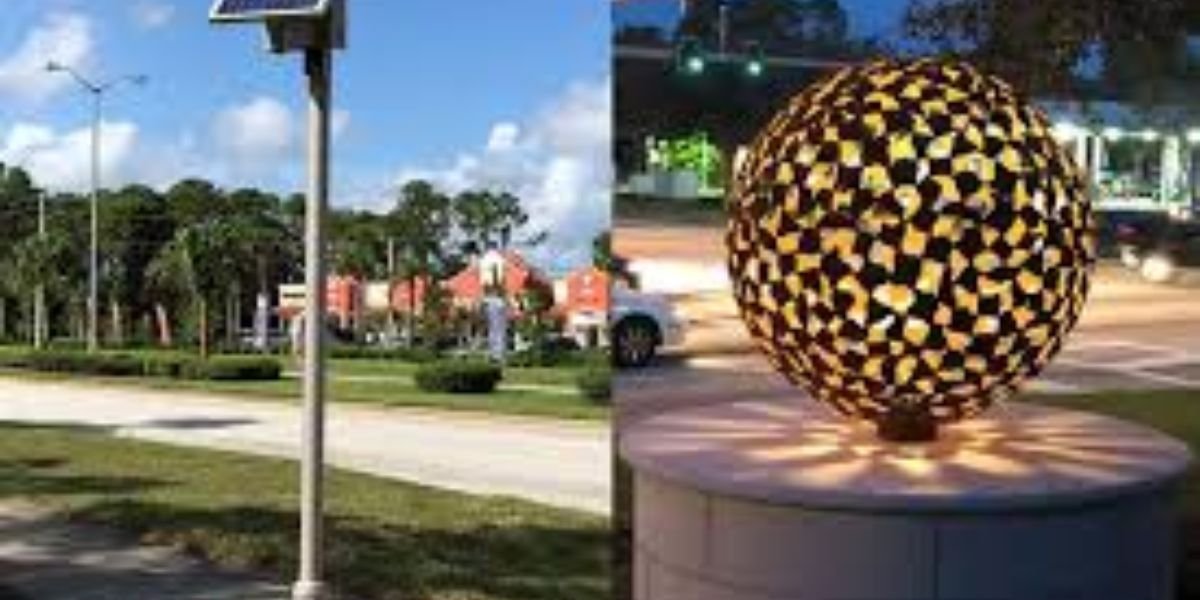
Park officials confirmed that more than 40 new solar fixtures have been installed, including pathway lights, parking lot lamps, and security poles. Each fixture is equipped with a small photovoltaic (PV) panel, a rechargeable battery, and a built-in light sensor that automatically switches the lights on at dusk and off at dawn.
According to Asheville Parks & Recreation, this transition will save the city thousands of dollars annually in electricity costs and eliminate the need for underground wiring — a major advantage in storm-prone areas like Western North Carolina.
How Solar Lighting Works: Harnessing the Power of the Sun
Solar lighting might look simple on the surface, but the science behind it is both fascinating and efficient. Here’s how it works:
- Sunlight Capture: Each light fixture has a solar panel made up of photovoltaic cells. During the day, these cells absorb sunlight and convert it into direct current (DC) electricity.
- Energy Storage: The electricity generated is stored in lithium-ion batteries built into the light poles.
- Automatic Activation: As night falls, the system’s smart sensors detect low light levels and automatically turn on the lamps, running entirely on stored solar energy.
- Recharging Cycle: The next morning, the cycle repeats — ensuring that Jones Park stays illuminated every evening without consuming a single watt from the main power grid.
These systems are also low-maintenance, with panels designed to last up to 25 years and batteries that can operate efficiently for several seasons before replacement.
Safety and Accessibility: Lighting the Way for Visitors
For many residents, the most immediate benefit of the solar lighting project is improved safety. Visitors can now enjoy evening walks, jogs, and family gatherings in well-lit areas without worrying about visibility or tripping hazards.
Park visitor Megan Rivers, who often brings her children to Jones Park after work, shared, “It’s comforting to know the park is well-lit now. It feels safer and more welcoming in the evenings.”
The lighting has also enhanced accessibility for seniors and cyclists, making pathways more navigable and inclusive. Security officials have noted a drop in minor incidents since the lights were installed, highlighting how sustainability and safety can go hand-in-hand.
Environmental Impact: Small Change, Big Results
The environmental benefits of this project extend far beyond the park’s boundaries. Traditional lighting systems rely on electricity generated from fossil fuels, which contribute to greenhouse gas emissions. By switching to solar, Jones Park is projected to reduce its carbon footprint by over 10 metric tons annually, equivalent to planting 250 new trees every year.
In addition, the solar lights are dark-sky compliant, meaning they reduce light pollution and protect the nocturnal ecosystem. This helps preserve the natural behavior of birds, bats, and insects that rely on dark conditions to thrive — a crucial aspect of maintaining the park’s biodiversity.
Environmental advocate Lisa McAllister commented, “Projects like this prove that sustainable design doesn’t have to sacrifice functionality. It’s about coexisting with nature while improving community spaces.”
Community Response and Local Involvement
The solar lighting project has drawn strong community engagement. Local volunteers, students from Asheville High School’s environmental club, and nearby residents participated in educational workshops about renewable energy and solar technology. These sessions helped raise awareness about how everyday infrastructure can reduce environmental impact.
Businesses have also joined the effort. A local company, Blue Ridge Solar Solutions, was contracted for installation and maintenance, keeping the project locally sourced and community-driven.
Park director David Henson stated, “This project shows what happens when the community, local businesses, and government work together toward a shared goal — a cleaner, greener Asheville.”
Challenges and Future Plans
While the benefits are clear, there are still challenges to consider. Heavy cloud cover, seasonal changes, and battery lifespan can affect the lights’ consistency. However, new-generation solar panels are designed to store excess energy during sunny days to ensure continuous performance during cloudy weather.
City planners are already exploring expanding solar infrastructure to other Asheville parks. Proposed next steps include solar-powered restrooms, water stations, and EV charging areas — potentially transforming Jones Park into a model for urban sustainability.
Why It Matters: A Step Toward a Sustainable Asheville
Jones Park’s solar lighting project isn’t just about illumination — it’s a symbol of progress. It reflects Asheville’s growing commitment to renewable energy and serves as a blueprint for other communities aiming to integrate sustainability into everyday life.
By reducing energy costs, lowering emissions, and engaging the public, this initiative proves that small, local actions can drive meaningful global change.
As visitors stroll under the soft glow of solar lights at dusk, they’re not just enjoying a safer park — they’re witnessing a glimpse of Asheville’s sustainable future.
What do you think about Jones Park’s new solar lighting system? Share your thoughts in the comments below and join the conversation about building a greener community.