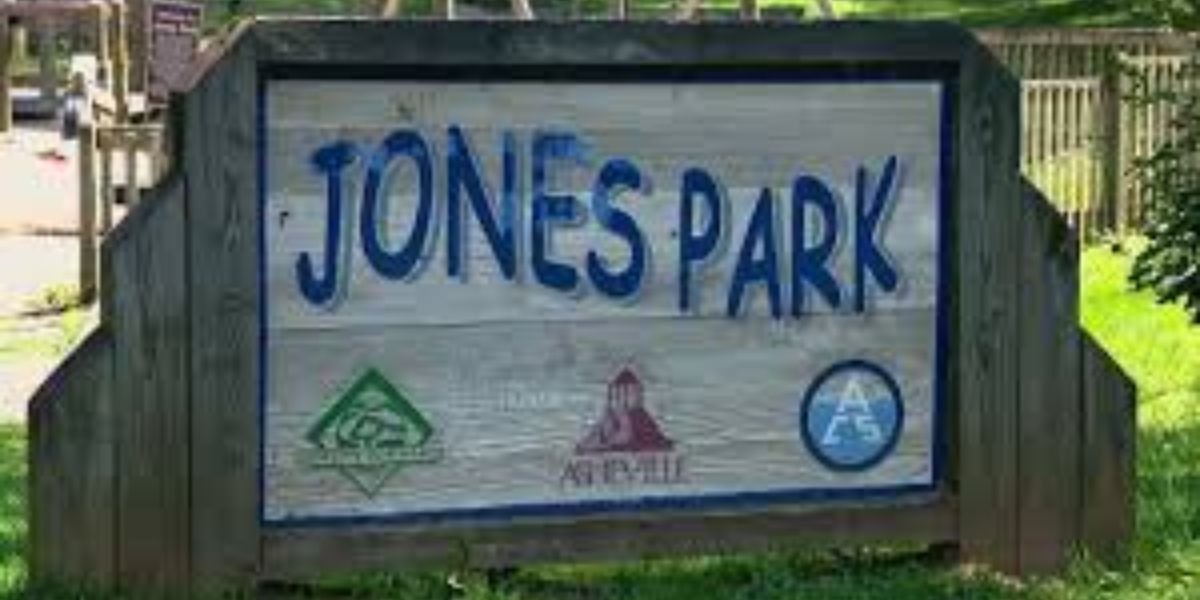
Asheville, NC – Jones Park has long been a place where families gather, children play, and the community connects with nature. Recently, however, the park has also become a classroom without walls. Local schools have partnered with park officials to launch student-led clean-up drives, giving children hands-on experience in sustainability, teamwork, and community service. This initiative is not only keeping the park cleaner but also shaping the next generation of environmentally conscious citizens.
The Rise of Student-Led Clean-Up Drives
In recent months, several schools in Asheville have begun sending groups of students to participate in park clean-up events. These drives are organized in collaboration with teachers, parents, and park rangers who supervise the activities. From collecting litter along walking trails to sorting recyclables, students are playing a direct role in maintaining the park’s beauty.
According to Melissa Carter, a teacher at Asheville Elementary, these programs offer lessons beyond the classroom. “It’s about showing children the impact of their actions. When they pick up a piece of trash and realize it could have hurt wildlife, that lesson sticks for life,” she says.
Why Kids Make Great Environmental Leaders
Children bring an energy and enthusiasm that can inspire adults. Their natural curiosity makes them ask important questions: Why do people litter? How does trash affect birds and animals? What can we do differently at home? These questions often lead families to rethink their own habits.
Park ranger David Lopez points out that kids are often the best messengers. “When a child goes home and reminds their parents to recycle or not to use plastic bags, it carries a weight adults can’t ignore,” he explains. Their involvement in clean-up drives is proving to be an effective way of spreading awareness to the broader community.
Community Impact: Cleaner Parks, Stronger Bonds
The impact of these clean-up drives goes beyond waste collection. Residents say they’ve noticed cleaner walking trails and picnic areas, but they’ve also observed stronger bonds forming between schools and neighborhoods. Parents often join the events, turning them into family-friendly days of service.
For local leaders, this initiative demonstrates how schools can be powerful partners in sustainability projects. “It’s not just about picking up trash,” says Angela Brooks, a Jones Park committee member. “It’s about building a sense of responsibility and pride in the park. When kids feel they are helping, they start to see the park as their own.”
Educational Benefits Beyond the Park
The program also ties directly into school curriculums. Teachers incorporate the drives into lessons about ecology, civic duty, and social responsibility. Students learn how litter affects soil, water, and animal life, turning theory into practice. They also get experience in teamwork and leadership, as older students often guide younger ones through the activities.
Some schools have taken the idea further by creating eco-clubs, where students continue environmental projects beyond the park clean-ups. These clubs discuss solutions to plastic waste, water conservation, and even organize awareness campaigns inside their schools.
Challenges and Opportunities
Despite the positive outcomes, organizers admit challenges remain. Scheduling regular clean-up drives can be difficult with busy school calendars. There are also concerns about student safety when working near roads or water bodies. To address this, schools and park officials ensure strict safety guidelines are followed, including adult supervision, gloves, and safe waste disposal methods.
Looking ahead, there is potential to expand the initiative. Park officials are exploring partnerships with high schools and colleges, where older students could lead workshops for younger children. This creates a mentorship cycle that keeps the program sustainable in the long term.
A Model for Other Communities
The success of Jones Park’s school partnerships is attracting attention from neighboring towns. Several municipalities in North Carolina are considering launching similar initiatives, recognizing the dual benefit of environmental stewardship and youth empowerment. These programs could serve as a blueprint for other parks nationwide, particularly as communities search for cost-effective, meaningful ways to maintain green spaces.
Conclusion: Kids as Catalysts for Change
The school clean-up drives at Jones Park prove that children are not just learners but also leaders. Their efforts are making a visible difference in the park’s condition, while also inspiring families and neighbors to think differently about the environment. As these initiatives grow, they highlight a powerful truth: when children take responsibility for their community, they encourage everyone else to do the same.
What’s your take on student-led park clean-up drives? Do you think schools should play a bigger role in community sustainability projects? Share your thoughts in the comments below!