Urban parks do more than provide open space — they carry the legacy of communities, offer places of healing and gathering, and reflect the evolving priorities of city life. In Asheville, North Carolina, this philosophy is alive and thriving in the revitalization of two cherished public spaces: Griffing Boulevard Rose Garden and Sunset Park.
The City of Asheville’s ongoing restoration and upgrade efforts at these parks highlight how urban green spaces can be reimagined and rebuilt to reflect community values, sustainability goals, and historical preservation — all while preparing for future challenges.
Griffing Boulevard Rose Garden: A Historic Bloom, Renewed
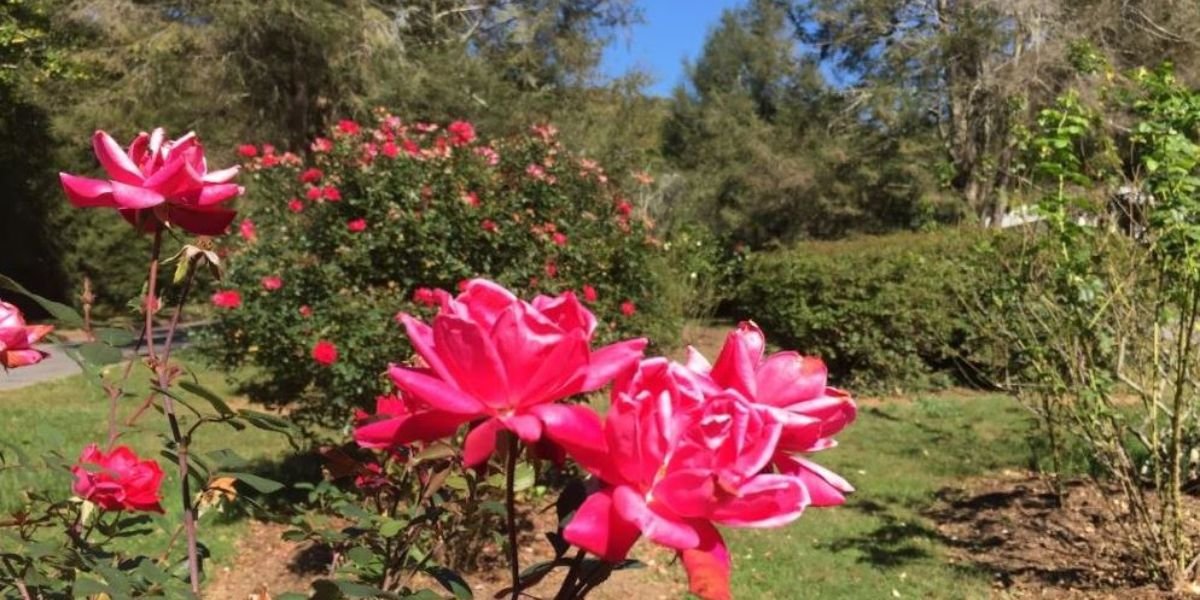
Once a quiet, flowering retreat in North Asheville, the Griffing Boulevard Rose Garden has long been a local treasure. But like many legacy landscapes, the garden faced wear and neglect over the years. Now, thanks to thoughtful city-led investment and a community-driven vision, this site is undergoing a delicate process of rebuilding, with both its past and future in mind.
Reviving a Community Landmark
The City’s Parks & Recreation department is leading efforts to restore the garden’s historic integrity, while upgrading it to meet modern needs. The project includes:
- Reviving rose beds with native and climate-resilient species
- Repairing walkways and adding accessible paths
- Installing new benches and signage to honor the garden’s legacy
- Expanding shade and pollinator habitat through native plantings
This rebuild balances preservation and innovation — ensuring that the garden remains a peaceful space for reflection, gathering, and neighborhood pride, while also promoting biodiversity and sustainability.
A Sustainable Approach to Green Space
The restoration work also prioritizes low-maintenance landscaping, water-efficient irrigation, and soil health. By using native plants and organic practices, the garden’s redesign supports Asheville’s broader environmental goals — including stormwater management, pollinator habitat creation, and reduced chemical use.
It’s not just about replanting roses; it’s about rebuilding a resilient, beautiful, and sustainable ecosystem in the heart of the city.
Sunset Park: A Hidden Gem Reawakened
Tucked away in the Kenilworth neighborhood, Sunset Park is a quiet, wooded green space with rich potential. Historically underused and minimally maintained, the park is now seeing renewed attention as part of Asheville’s push to reactivate overlooked community spaces.
Rebuilding with Equity and Access in Mind
Sunset Park’s revitalization emphasizes inclusive recreation, safety, and accessibility. Planned improvements include:
- Upgrading trails and access points for mobility-impaired visitors
- Adding picnic tables, rest areas, and natural play features
- Improving lighting and signage for safety and visibility
- Enhancing native landscaping to support wildlife and soil retention
By rebuilding the park’s infrastructure, the city ensures it serves everyone in the community — not just a few. This aligns with Asheville’s commitment to equity in public space planning.
Nature as a Tool for Resilience
Urban parks like Sunset play a quiet but powerful role in climate resilience. Tree canopies reduce heat, soil absorbs runoff, and green space provides psychological relief during times of crisis. By restoring Sunset Park, Asheville is preparing its neighborhoods to face a future shaped by climate extremes, development pressure, and public health challenges.
Community Voices Shape the Rebuild
What makes both of these projects successful is Asheville’s commitment to community engagement. Residents were invited to share their memories, preferences, and hopes for the future of both parks through surveys and local outreach.
This feedback-driven process ensures that park rebuilding isn’t done in a vacuum — it’s rooted in lived experience and shared ownership.
People asked for safer pathways, better seating, low-maintenance flowers, and more natural features. The City listened — and responded by crafting designs that reflect local character, history, and modern needs.
Rebuilding Beyond Bricks and Soil
The work being done at Griffing Boulevard Rose Garden and Sunset Park is part of a larger movement: rebuilding not just infrastructure, but relationships between people and place.
These projects offer a model for other cities looking to restore green spaces in a way that:
- Honors historic significance
- Adapts to today’s climate and accessibility needs
- Reflects the voices and values of the local community
- Builds long-term environmental and social resilience
In times of rapid change, rebuilding thoughtfully is not just an option — it’s a necessity. Asheville shows that with care, collaboration, and creativity, even small parks can have a big impact.
Final Thoughts
As cities grow and evolve, the parks that once served previous generations must also adapt. In Asheville, the thoughtful rebuilding of Griffing Boulevard Rose Garden and Sunset Park reminds us that public spaces are living systems — they must be nurtured, updated, and preserved to meet the needs of both today and tomorrow.
These projects go beyond surface-level beautification. They restore identity, inspire stewardship, and help communities face the future with confidence — rooted in tradition, but reaching for something new.
🔗 Learn more about the parks and the City’s vision here:
https://www.ashevillenc.gov/news/park-views-griffing-boulevard-rose-garden-and-sunset-park/