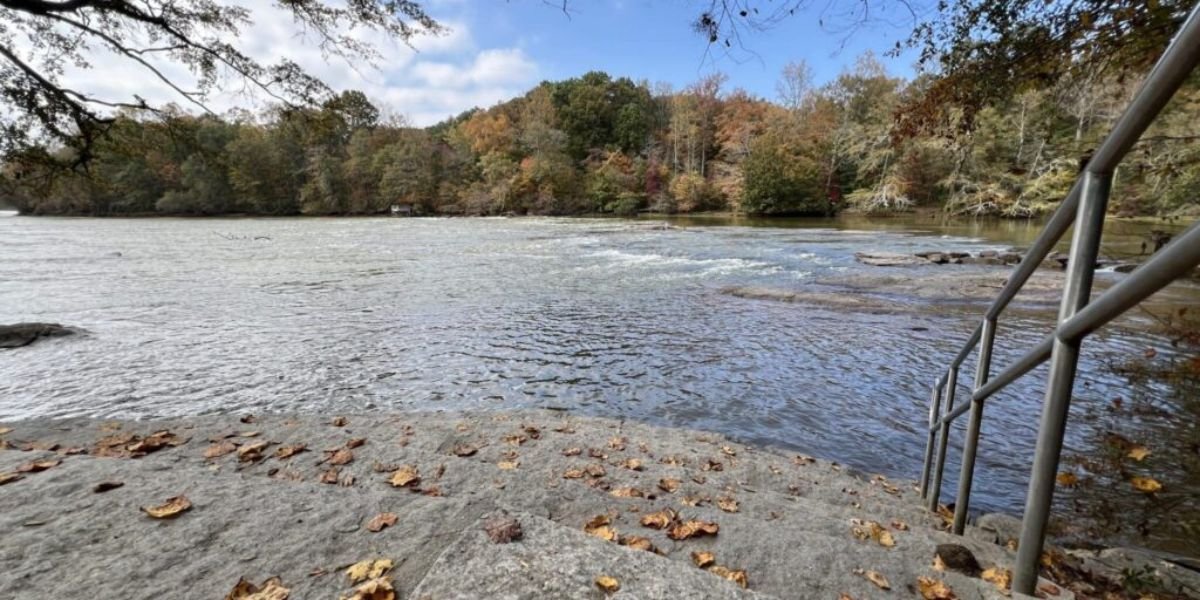
In the world of public green spaces, White Pine Park stands as a powerful example of how long-term vision and thoughtful renovation can transform a park into a multi-generational community asset. While the park is located in Illinois, its history of successful development and sustainable renovation offers valuable lessons for cities like Asheville, where similar efforts are underway to rebuild and modernize beloved park spaces.
As Asheville moves forward with playground renovations and park upgrades through bond-funded projects, White Pine Park serves as a shining blueprint. From ecological preservation to user-focused infrastructure, its success story aligns perfectly with our own mission to rebuild better.
A Legacy of Preservation and Purpose
Originally established in 1927, White Pine Park was built to preserve one of the southernmost stands of native white pines in the Midwest. Over the decades, it evolved through intentional upgrades, including structures built by the Civilian Conservation Corps, modern trails, and upgraded public facilities.
The transformation of White Pine Park didn’t happen overnight—it was a gradual process shaped by community input, public funding, and sustainability planning. That same step-by-step, long-term approach is what Asheville is embracing in its own playground and park renovations.
Renovating for All Ages: Recreation Meets Inclusion
One of the standout features of White Pine Park’s improvement projects has been their inclusive design philosophy. Trails are made accessible for people of all abilities. Lodging includes modern cabins for overnight stays, and picnic areas are spread throughout the park for families and groups.
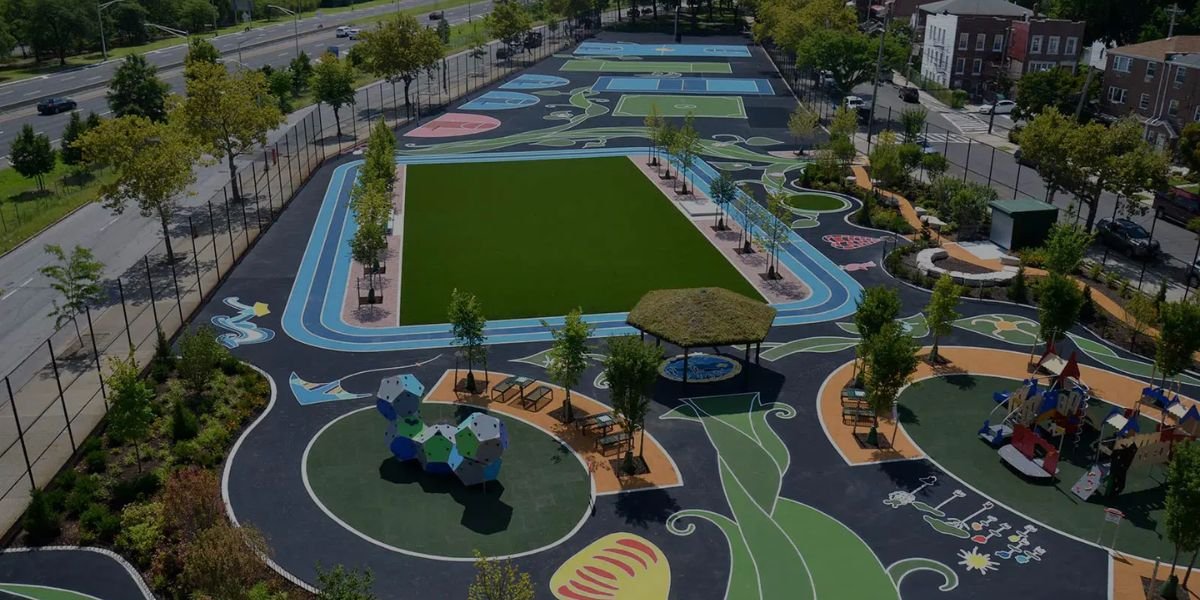
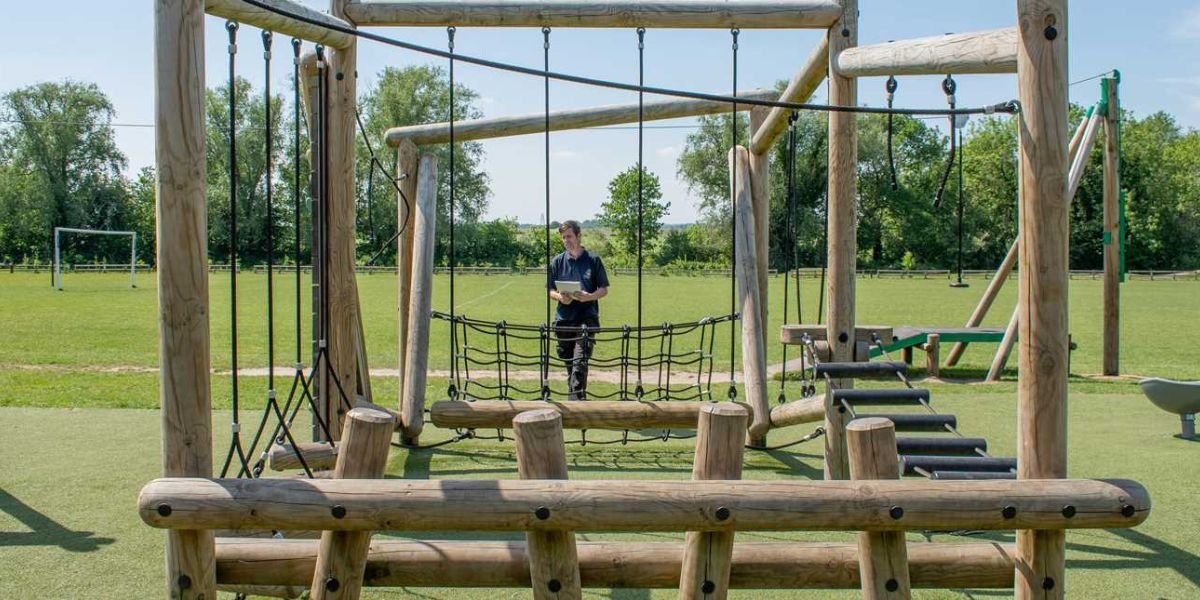
In Asheville, similar efforts are being made. The Playground Renovations Bond Project prioritizes inclusive play equipment, ADA-compliant access, and safe, modernized structures. These updates aim to serve not just children, but also caregivers, seniors, and visitors with disabilities—just like White Pine Park’s successful model.
Community Engagement Is Key
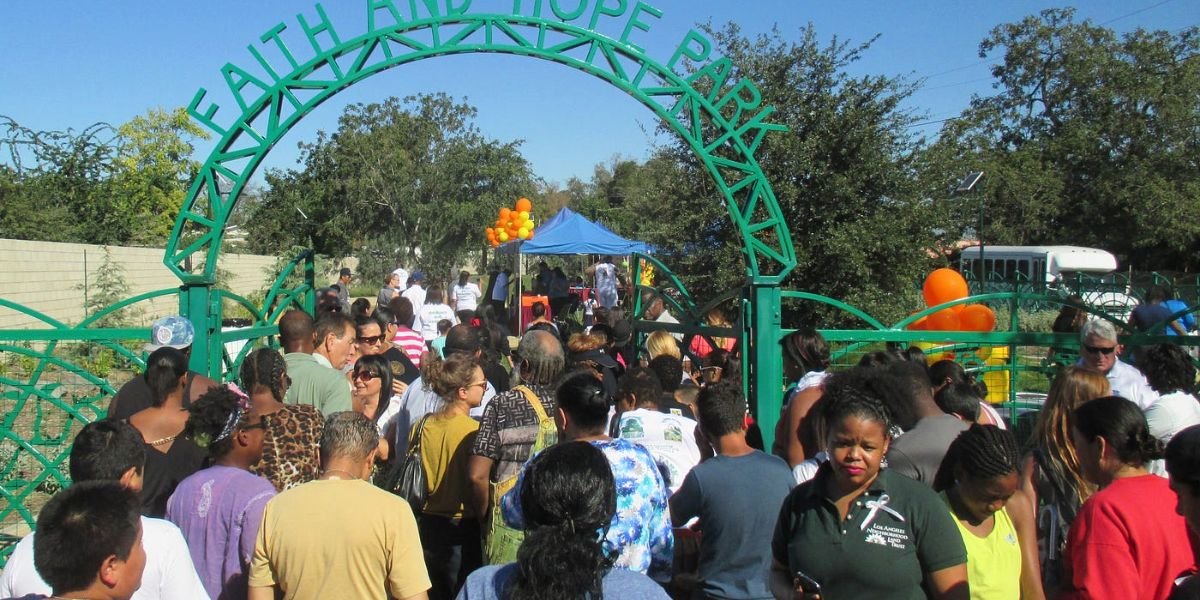
White Pine Park’s renovations weren’t just planned in an office—they were shaped by public needs. The park continues to evolve thanks to feedback from local residents, educational institutions, and conservation groups.
Asheville’s renovation projects echo this philosophy. Through community surveys, public meetings, and digital feedback forms, citizens are helping shape what the next generation of parks should look like. Whether it’s choosing surface materials for play areas or rethinking the layout of existing parks, Asheville’s process mirrors the collaborative spirit that made White Pine Park a success.
Funding with a Purpose
White Pine Park has benefited from state funding, federal conservation grants, and partnerships with environmental organizations. Each dollar spent has gone toward long-lasting, sustainable infrastructure—not just quick fixes.
Asheville is applying the same mindset with its $17 million in bond funding allocated for parks and recreation. That money is being invested in more than just play structures—it’s going toward landscaping, drainage systems, seating areas, safety surfacing, and green space restoration. Learning from White Pine Park’s approach, Asheville is choosing resilient, low-maintenance materials to ensure longevity.
Sustainability at the Forefront
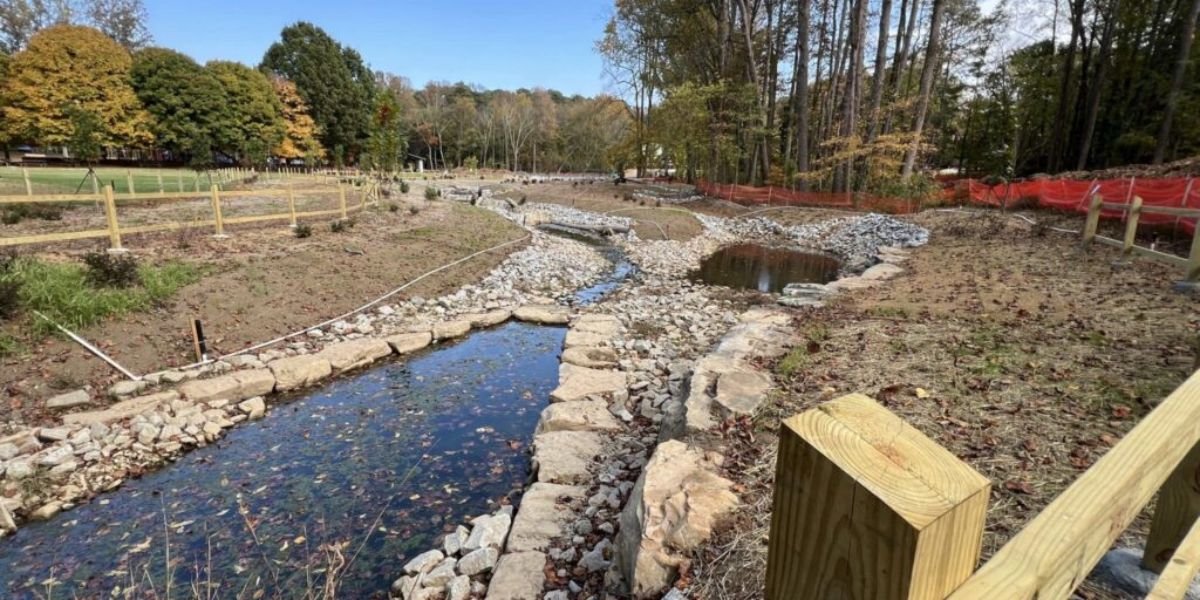
One of the key principles in White Pine Park’s ongoing rebuild strategy is ecological harmony. Trails are designed to prevent erosion, native plant species are prioritized, and natural water features are protected rather than rerouted.
Asheville’s renovations also include green goals. Permeable surfaces, native trees, and pollinator-friendly landscaping are part of the plan. By integrating sustainability into each stage of development, Asheville parks can continue to serve the community while protecting local ecosystems—just like White Pine Park has done for nearly a century.
Economic and Social Value
Parks like White Pine Park don’t just serve recreation—they become economic and cultural anchors for the communities around them. Weddings, events, local tourism, and educational programs all bring revenue and energy to the surrounding region.
As Asheville renovates its park system, especially in underutilized or aging areas, the goal is to reinvigorate neighborhoods and provide equitable access to high-quality public spaces. Every improved playground and refreshed trail network adds to the city’s overall health, safety, and economic vitality.
Looking Ahead: A Shared Vision
What makes White Pine Park such a compelling case study isn’t just its beauty—it’s how that beauty was preserved, restored, and reimagined over time through conscious rebuilding efforts. For Asheville, this model reinforces that rebuilding is not about copying what exists, but about adapting to the future with purpose and care.
As work continues on Asheville’s park upgrades—from playgrounds to walking paths to nature-based play zones—we look to examples like White Pine Park not as finished products, but as living systems that evolve with community needs.
Final Thoughts
White Pine Park is more than a park; it’s a lesson in how rebuilding with intention, community input, and ecological awareness can lead to something timeless. As Asheville’s playground renovations move forward, we embrace the same values: accessibility, sustainability, and joy for all.
With every swing installed, trail laid, or tree planted, we’re not just building parks—we’re building the future.
Stay up to date on Asheville’s park improvements and learn how we’re shaping the future at RebuildJonesPark.org.