Playgrounds are often the heart of community parks, bringing children and families together for fun and outdoor activity. But with fun comes responsibility: ensuring that play areas meet safety standards designed to protect children. At Jones Park, a favorite spot for Asheville families, questions have been raised about whether the playground truly measures up to these safety expectations.
This article looks at the national safety benchmarks for playgrounds, how Jones Park compares, and what improvements might still be needed to keep children safe.
Why Playground Safety Matters
Every year in the U.S., thousands of children are treated for injuries sustained on playgrounds. Most are minor, but some can be severe. According to the Consumer Product Safety Commission (CPSC), falls from equipment remain the most common hazard. That’s why modern playgrounds are designed with impact-absorbing surfaces, age-appropriate equipment, and clear safety signage.
For parents, knowing that a park like Jones Park aligns with these standards is critical. A safe playground isn’t just about preventing accidents — it builds trust, encourages outdoor play, and strengthens the community’s connection to the park.
Jones Park’s Current Playground Setup
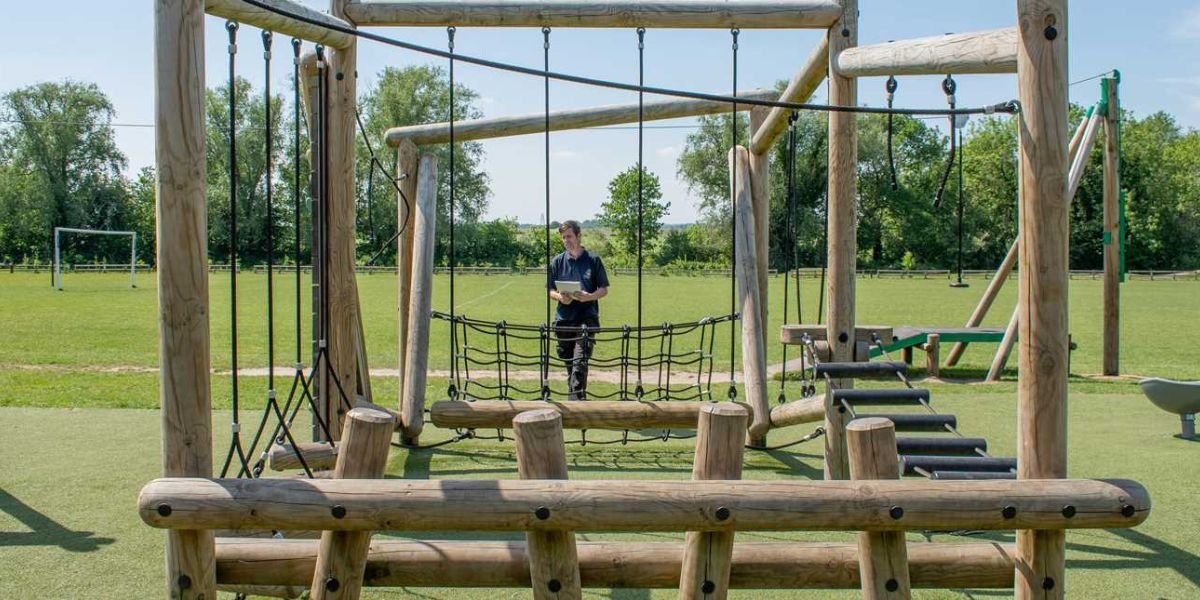
Jones Park’s playground includes a variety of structures: swings, slides, climbing frames, and a toddler play area. The space is popular, particularly on weekends, when families from across Asheville gather.
From a first glance, the equipment looks modern and well-maintained, but closer inspection reveals mixed results. The playground has rubberized surfacing in certain sections, but older mulch remains in others. Equipment height generally falls within recommended guidelines, but some of the spacing between structures raises concerns about possible collisions when the park is crowded.
How National Standards Define Safety
To evaluate whether Jones Park meets expectations, it’s helpful to look at established standards:
- Surface Materials: The CPSC and ASTM recommend impact-absorbing surfaces like rubber mats, wood chips, or sand. Concrete or hard-packed dirt is considered unsafe.
- Equipment Spacing: Swings, slides, and climbing structures should be spaced far enough apart to prevent accidents.
- Age Appropriateness: Equipment should be clearly labeled and designed for specific age groups (toddlers vs. older children).
- Regular Inspections: Playgrounds should be inspected frequently for wear and tear, rust, or broken parts.
- Accessibility: Modern playgrounds are encouraged to be ADA-compliant, ensuring children with disabilities can participate fully.
Does Jones Park Measure Up?
Jones Park succeeds in some areas but falls short in others:
- Surface Safety: The newer rubber surfacing is a major improvement, but areas with old mulch are uneven and could lead to tripping hazards.
- Equipment Condition: The structures appear sturdy and up to standard, but routine wear — particularly on swing chains and slide edges — suggests the need for more frequent inspections.
- Spacing: The compact design makes it easy for parents to supervise, but it also increases the risk of children colliding in high-traffic spots.
- Age-Friendly Zones: Jones Park does provide toddler-friendly equipment, but clearer signage could help parents know which structures are best for certain ages.
- Accessibility: The playground lacks fully inclusive equipment like wheelchair-accessible swings, which is becoming the new gold standard for public parks.
Community Feedback and Concerns
Local parents have expressed mixed views. Maria Lopez, a mother of two, says:
“I feel mostly safe bringing my kids here, but I do worry about the older kids running through the toddler area. A little more separation would go a long way.”
Others, like Derrick Brown, praise the park:
“It’s one of the best-maintained playgrounds in Asheville. I’d rather have a compact, clean play area than one that’s spread out but neglected.”
This feedback mirrors the larger debate: balancing space, safety, and accessibility in a community park that serves many families at once.
The Path Forward: Possible Improvements
To meet modern standards and reassure parents, Jones Park could consider:
- Expanding rubber surfacing throughout the playground.
- Adding more inclusive equipment for children with disabilities.
- Installing clearer safety signage with age guidelines.
- Increasing inspection frequency to keep small wear-and-tear issues from growing.
- Creating subtle barriers or zones to separate toddlers from older children.
Why This Matters for Asheville’s Future
Jones Park is more than just a playground — it’s a community hub. By prioritizing safety improvements, Asheville can set an example for other cities, showing that play spaces can be both fun and safe. Families trust public parks when they know their children are well-protected, and that trust helps ensure high park usage for years to come.
Conclusion: Safety First, Fun Always
Playgrounds like the one at Jones Park are essential for childhood development, but safety must always come first. While the park meets several safety standards, there’s still room for improvement, especially in accessibility and surfacing. By addressing these areas, Jones Park can transform from being just a fun place to play into a model for safe, inclusive recreation in Asheville.
What do you think — does Jones Park’s playground meet the safety standards your family expects? Share your thoughts in the comments below!