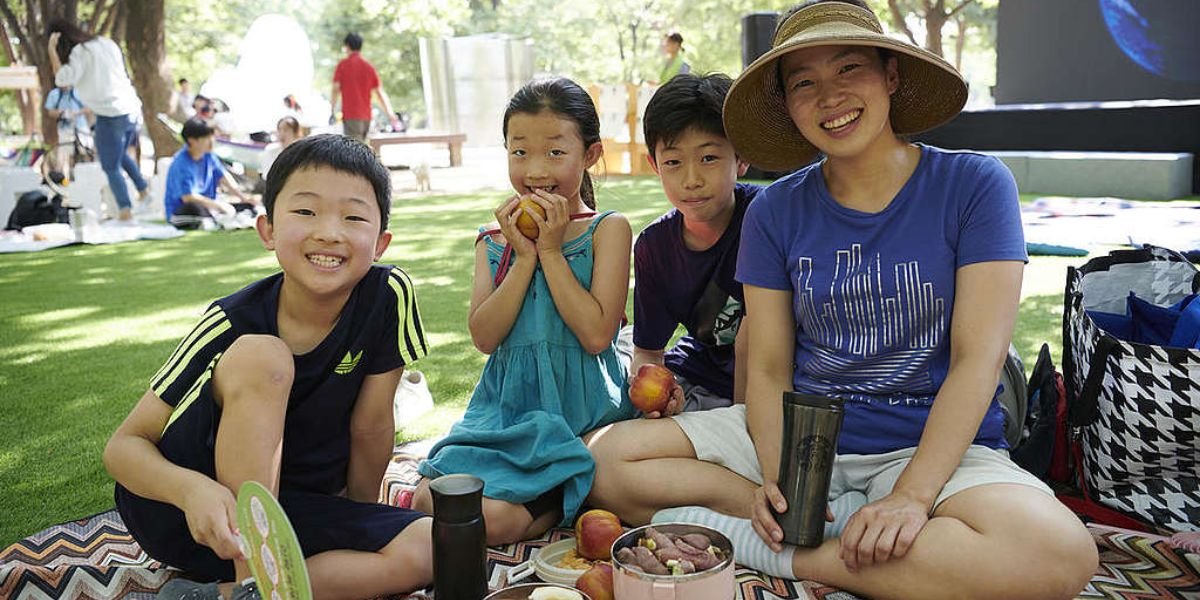
Jones Park has long been a beloved outdoor destination, offering lush green spaces and serene spots for picnics. With an increasing focus on sustainability, many park-goers are looking for ways to enjoy the park while reducing their environmental footprint. One significant step towards sustainability is adopting a plastic-free picnic. Plastic waste is a major contributor to pollution, particularly in natural areas like parks, where it can harm wildlife and degrade ecosystems. In this article, we’ll share seven easy tips to help Jones Park visitors have a fun, eco-friendly picnic—without relying on plastic.
1. Opt for Reusable Containers Instead of Plastic Wrap or Bags
One of the simplest ways to reduce plastic waste at your picnic is to ditch plastic wrap and single-use plastic bags. Instead, invest in reusable containers made of glass, stainless steel, or bamboo. These materials are not only durable but also environmentally friendly, providing a sustainable alternative to disposable plastic. Consider using glass jars or food storage containers for salads, fruits, and sandwiches, keeping everything fresh without the need for plastic packaging.
If you need something lightweight for snacks, reusable beeswax wraps are a great option. They come in a variety of sizes and can be washed and reused for countless picnics to come.
2. Use Compostable Plates and Utensils
Plastic plates and utensils are among the most common waste items left behind after a picnic. Instead of using these disposable items, consider switching to compostable plates, forks, spoons, and knives. These items are made from natural materials like bamboo, sugarcane, or wood and can break down naturally, reducing landfill waste.
There are plenty of eco-friendly alternatives on the market today, including edible spoons and plates made from palm leaves. These materials are just as sturdy as plastic but much better for the environment.
3. Choose Glass or Stainless Steel Bottles Over Plastic Bottles
Plastic water bottles are a staple at many picnics, but they contribute significantly to pollution. Glass and stainless steel bottles are durable, reusable, and excellent at keeping your drinks cool. Whether you’re hydrating on a hot summer day or enjoying a refreshing drink during a leisurely afternoon, opting for these materials helps keep your picnic plastic-free.
If you’re bringing along a cooler for the day, consider using ice packs or insulated bags instead of plastic bags filled with ice to keep your drinks chilled. This simple swap reduces plastic waste and maintains your beverages at the perfect temperature.
4. Pack Snacks in Cloth Bags or Reusable Pouches
When packing snacks, skip the plastic snack bags and opt for reusable cloth bags or fabric pouches. These are great for small items like nuts, crackers, or fruit. Not only do they eliminate plastic waste, but they also keep your food fresh and easy to grab during your picnic.
Look for pouches made from organic cotton or other sustainable materials that are easy to wash and reuse. They take up minimal space in your picnic basket and can be folded flat for convenience.
5. Bring a Reusable Picnic Blanket
Plastic-backed picnic blankets are convenient, but they’re also often made from synthetic materials that contribute to plastic pollution. Instead, choose a reusable, natural fabric picnic blanket made from materials like cotton, linen, or wool. These blankets are just as comfortable and easy to clean, and they won’t contribute to plastic waste when you’re done.
For added convenience, look for blankets that are lightweight, foldable, and come with a carrying strap. These features make it easy to bring your plastic-free blanket to Jones Park and beyond.
6. Avoid Single-Use Condiments and Plastic Straws
Many picnics include small packets of condiments like ketchup, mustard, or mayo—often wrapped in plastic. Instead of relying on these single-use packets, consider bringing your condiments in reusable containers. Glass jars or small stainless steel containers work well for sauces and dressings and can be reused for your next picnic.
Also, say no to plastic straws. Instead, bring along reusable metal, bamboo, or silicone straws. These are easy to carry in your bag, and they’re great for both cold and hot drinks.
7. Bring a Trash Bag for Easy Cleanup
Even with the best intentions, sometimes there’s still waste at the end of your picnic. To ensure that you leave Jones Park cleaner than you found it, bring a compostable trash bag to collect any waste that doesn’t belong in the park. You can use this to gather organic scraps that can be composted and non-recyclable items like food wrappers. Always remember to properly dispose of your trash when you leave to avoid harming the environment.
If you’re unsure about what’s recyclable or compostable, check the signage around the park for guidance. Many parks have dedicated bins for composting and recycling, so you can sort waste accordingly and help reduce your impact.
Conclusion: A Greener Future for Jones Park
By making small but impactful changes, you can enjoy a plastic-free picnic at Jones Park while also playing a role in preserving the environment for future generations. Each decision to use reusable containers, compostable products, and eco-friendly materials helps keep our parks cleaner and more sustainable.
Next time you head out to Jones Park for a picnic, consider adopting these seven easy tips to create a greener, cleaner experience. Not only will you be doing your part to reduce plastic waste, but you’ll also encourage others to make the shift to more sustainable practices.
Ready to plan your plastic-free picnic? Share your tips and experiences in the comments below!