As cities like Asheville continue to improve their parks, one important feature is sometimes overlooked: lighting. Well-designed lighting makes parks safer, more accessible, and more enjoyable — especially during early mornings or evenings. But just as important is how that lighting is installed and powered. That’s where park sustainable lighting comes in.
Sustainable lighting uses energy-saving technology, thoughtful placement, and smart design to light up public spaces without harming the environment. For parks, it offers a chance to balance beauty, safety, and sustainability all in one solution.
In this article, we explore why park sustainable lighting matters and how it can support Asheville’s goals for greener, safer, and more welcoming public spaces.
What Is Park Sustainable Lighting?
Park sustainable lighting is the use of energy-efficient lighting systems — such as LED or solar-powered lights — in public parks and outdoor spaces. It focuses on:
- Reducing energy use
- Limiting light pollution
- Using durable, low-maintenance materials
- Highlighting natural beauty and safety features
- Supporting long-term cost savings and climate goals
This approach goes beyond simply placing lights along a trail. It means thinking about when, where, and how lighting is used to enhance the visitor experience without harming the environment.
Why Lighting Matters in Parks
Many people enjoy visiting parks during early morning hours, late evenings, or even during the winter when daylight is shorter. Without good lighting, parts of the park may feel unsafe, difficult to navigate, or completely off-limits after dark.
Proper park lighting helps by:
- Improving visibility: Reduces risk of tripping or accidents on paths, stairs, or uneven ground
- Preventing vandalism or misuse: A well-lit space deters unwanted activity
- Making parks more inclusive: People of all ages feel safer using the park after sunset
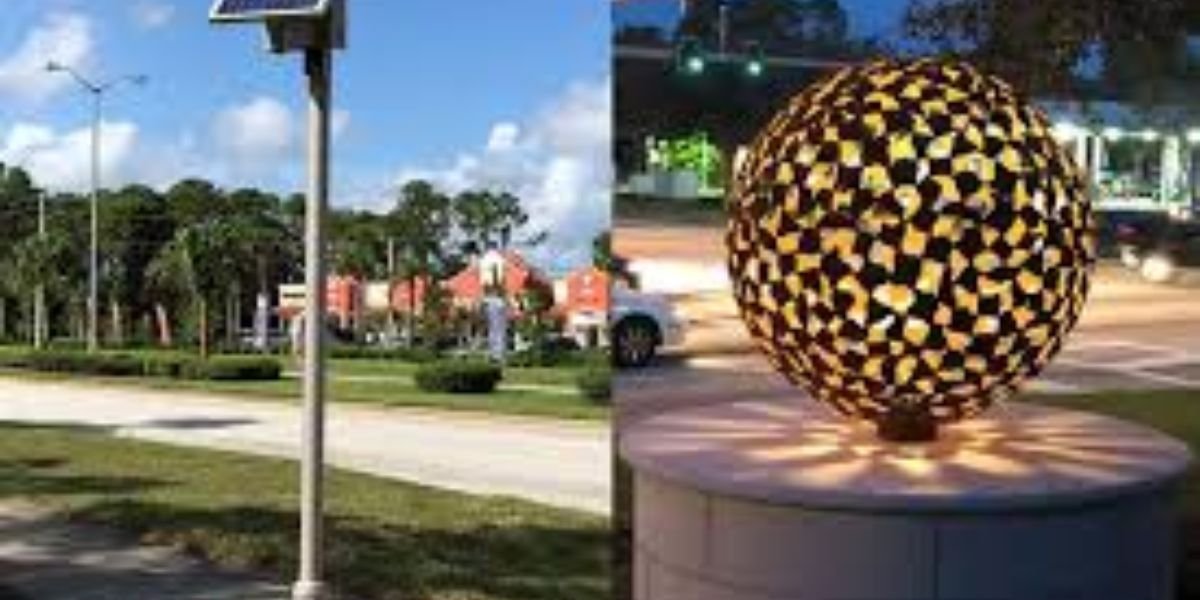
- Highlighting beauty: Lighting trees, sculptures, or pathways makes parks feel more inviting
However, traditional lighting systems can use a lot of energy, require frequent maintenance, and disturb wildlife. That’s why sustainable lighting options are now being prioritized by cities like Asheville.
Features of Sustainable Lighting Systems
A sustainable lighting system in a public park includes several important features:
1. LED Technology
LED lights use far less electricity than older bulbs and last much longer. They also offer flexible brightness settings and can be installed in small, low-profile fixtures.
2. Solar Power
Many park lights are now powered by solar panels, which collect sunlight during the day and power the lights at night. This reduces energy bills and cuts down on carbon emissions.
3. Motion Sensors and Timers
Smart lighting systems include timers to turn lights on and off at specific times, or motion sensors that brighten the area only when someone is nearby. This saves energy and avoids unnecessary light pollution.
4. Warm, Focused Light
Using warm-toned lighting instead of bright white helps reduce disturbance to wildlife. Focused lighting also avoids shining into nearby homes or the sky.
5. Durable and Weather-Resistant Materials
Sustainable lighting fixtures are designed to last — even in rain, wind, or freezing weather — reducing waste and maintenance costs.
How Asheville Can Benefit
As Asheville continues to upgrade its parks, adding park sustainable lighting offers multiple benefits:
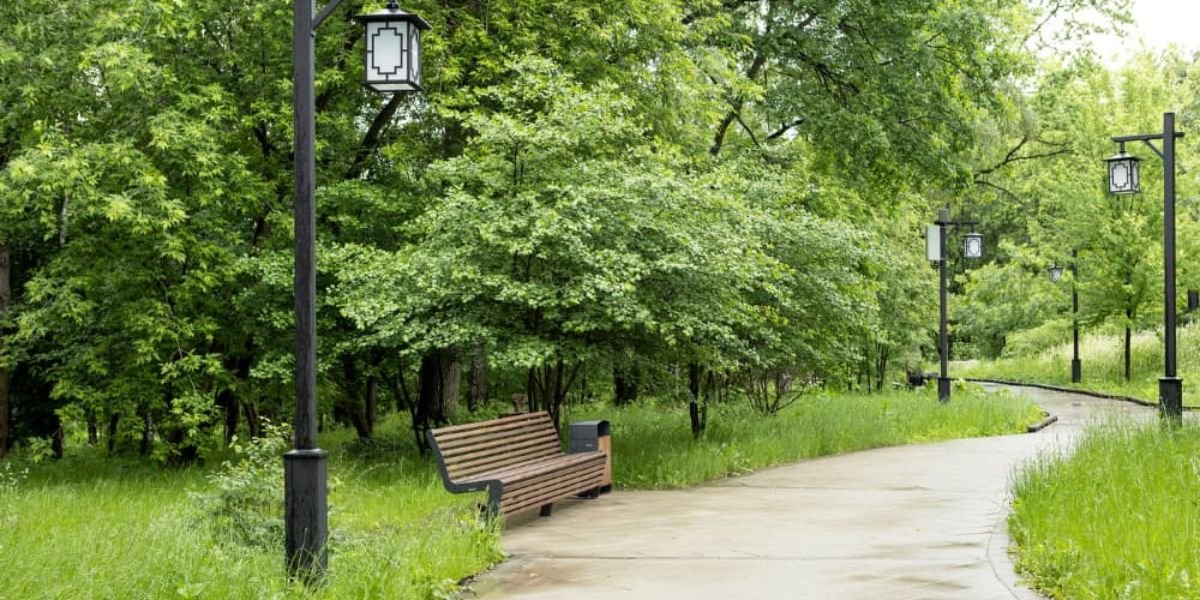
- Safer evening access to walking paths, bike trails, and parking areas
- Lower long-term energy costs for the city
- Support for Asheville’s clean energy and climate goals
- Stronger community use and engagement, especially in renovated parks
- Better support for eco-tourism and night-time events
Local businesses like Carolina Outdoor Lighting, highlighted by the Asheville Chamber, show that high-quality outdoor lighting is already a growing industry in the region. The city can work with experienced professionals to create beautiful, functional lighting plans for spaces like Jones Park, E.W. Grove Park, and others.
Examples of Park Lighting Improvements
Cities across the U.S. have already begun transforming parks through smart, sustainable lighting:
- In Charlotte, NC, solar-powered bollard lights line trails in city parks.
- In Portland, OR, motion-activated lighting is used in park restrooms and bike paths.
- In Asheville, pilot programs could include solar path lights near park entrances, especially where safety is a concern after sunset.
Each of these changes helps reduce costs, improve usability, and protect the natural night environment.
Tips for Community Involvement
Park sustainable lighting is not just a government project — residents can get involved too:
- Support park upgrades by attending meetings and voting for funding
- Give feedback on where lighting is needed most in your neighborhood park
- Share ideas for using lighting in community gardens or public art
- Learn about light pollution and its effects on plants and wildlife
As more Asheville parks are upgraded through Rebuild & Improvements efforts, public input is essential in designing lighting that fits local needs.
Conclusion
Park sustainable lighting is more than just a design trend — it’s a smart, eco-friendly solution for safer, greener, and more beautiful public spaces. As Asheville invests in park improvements, adding efficient, low-impact lighting can transform how people use parks after dark.
Whether it’s a walking trail, a seating area, or a historical feature, the right lighting makes a difference. With solar panels, LED lights, and smart timers, the future of Asheville’s parks can shine brighter — and greener — for everyone.
Let’s light the way toward a more sustainable Asheville, one park at a time.
Source:
Asheville Chamber of Commerce – Carolina Outdoor Lighting Perfects the Art of Light