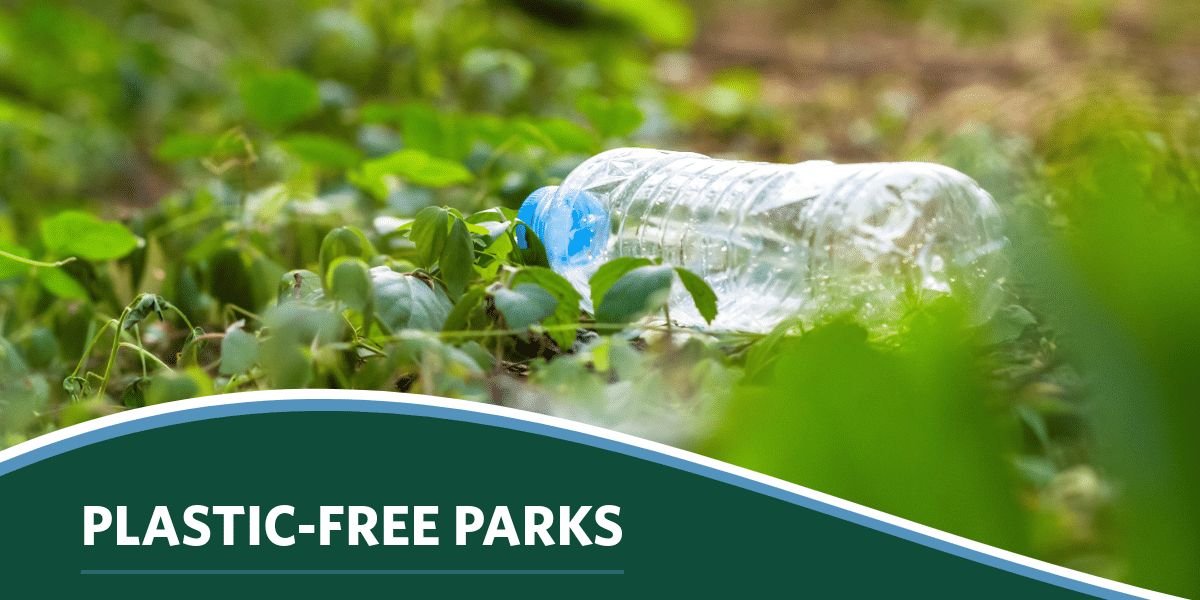
Public parks are meant to be clean, safe, and green. But too often, plastic waste—bottles, bags, utensils, and wrappers—ends up littering trails, polluting streams, and harming wildlife. As environmental concerns grow, many communities are turning toward a sustainable solution: establishing park plastic-free zones.
These zones are areas within parks where single-use plastics are discouraged or banned altogether. The goal is simple: reduce pollution, protect ecosystems, and promote environmentally friendly habits among park users. In cities like Asheville, where outdoor spaces are a core part of community life, this movement offers a smart path forward.
This article explores what park plastic-free zones are, why they matter, and how Asheville parks can lead the way.
What Are Park Plastic-Free Zones?
Park plastic-free zones are designated areas within public parks where the use or sale of single-use plastic items is limited or completely banned. This includes items such as:
- Plastic water bottles
- Plastic bags
- Disposable utensils and plates
- Food wrappers and packaging
- Straws and stirrers
- Balloons and plastic decorations
These zones may apply to specific areas, such as picnic zones or events, or cover the entire park property, depending on local rules and enforcement capacity.
The idea is not just about rules—it’s about changing habits and encouraging visitors to bring reusable items, clean up after themselves, and think sustainably when enjoying public spaces.
Why Plastic-Free Parks Matter
Plastic is one of the most common pollutants in natural environments. According to the National Park Service and the Environmental Protection Agency (EPA):
- Plastic bottles take 450 years to decompose
- Over 100,000 marine animals die each year from plastic waste
- Park cleanup crews spend thousands of hours annually removing litter
In Asheville, where nature is central to tourism and local culture, plastic waste poses a serious threat to forests, streams, and trails. Making parks cleaner isn’t just about appearances—it’s about protecting wildlife, water quality, and public health.
Benefits of Park Plastic-Free Zones
Creating park plastic-free zones provides long-lasting benefits for the environment and community:
1. Cleaner Parks
Less litter means cleaner walking paths, picnic areas, and playgrounds—making parks more enjoyable for everyone.
2. Wildlife Protection
Animals often mistake plastic items for food. Plastic-free policies reduce the risk of ingestion, entanglement, and habitat disruption.
3. Water Quality
Plastic waste can break down into microplastics that pollute rivers and drinking water sources. Keeping plastic out of parks protects these ecosystems.
4. Lower Maintenance Costs
Less waste to manage means lower cleaning and disposal costs for city park staff—saving taxpayer money.
5. Public Awareness and Education
Plastic-free zones remind visitors to consider their impact. Seeing signs or needing to bring their own containers helps people think about sustainability daily.
How Asheville Can Implement Plastic-Free Zones
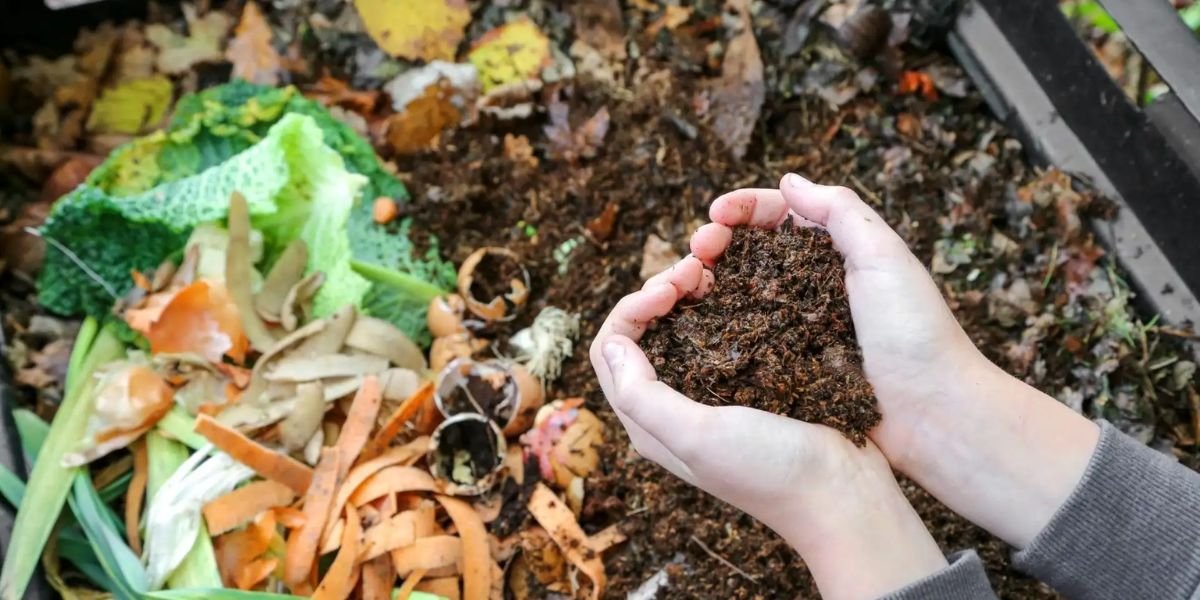
Asheville has already shown leadership in sustainability with programs like community gardens, composting initiatives, and greenway development. Adding park plastic-free zones would be a natural next step.
Here are ways to start:
1. Start with Events and Rentals
Prohibit single-use plastics at city-permitted park events and shelter rentals. Encourage reusable containers and provide water refill stations.
2. Install Educational Signage
Post clear, friendly signs explaining the goals of the plastic-free policy, how to comply, and where to find disposal or refill points.
3. Partner with Local Vendors
Work with food trucks and vendors near parks to switch to compostable or reusable serving items. Offer incentives for sustainable practices.
4. Provide Alternatives
Install more water fountains and bottle refill stations to reduce the need for bottled water. Offer bins for composting and recycling next to trash cans.
5. Enlist Community Support
Encourage school groups, nonprofits, and volunteers to help promote and maintain plastic-free zones through outreach and clean-up events.
Real-World Inspiration
Several cities and park systems are already adopting plastic-free policies:
- San Francisco banned the sale of bottled water on city property, including parks.
- Hawaii’s state parks prohibit plastic utensils and foam containers.
- The National Park Service is moving toward a phased reduction of single-use plastics across all national parks.
Asheville can look to these examples to shape its own program—customized to the community’s needs and values.
Challenges and Solutions
Implementing park plastic-free zones isn’t without challenges. People may forget reusable items, vendors may resist change, or enforcement may be limited. But these can be addressed with:
- Education over punishment: Start with encouragement, not fines.
- Transition periods: Give vendors time to adjust with support and resources.
- Incentives: Offer small discounts or recognition to vendors and visitors who follow the policy.
The key is collaboration and clear communication—not confrontation.
Conclusion
Creating park plastic-free zones is a small but powerful step toward cleaner, greener, and healthier parks. For Asheville, it offers a chance to protect natural spaces, inspire sustainable habits, and lead by example in the Southeast.
By choosing to limit plastic waste in parks, we show care not just for the environment, but for future generations. Whether you’re packing a picnic or planning a public event, bringing your own reusable items helps keep Asheville’s parks clean and vibrant.
Let’s work together to make every visit to the park a celebration of nature—not a source of pollution.