As cities grow and climate challenges become more serious, there is a stronger need to teach people how to care for the environment. One powerful way to do this is through park educational sustainability — combining the use of public parks with sustainability education.
In Asheville and across the country, parks are more than just places to walk or play. They are living classrooms, full of trees, soil, water, animals, and opportunities to learn. By bringing sustainability education into park spaces, communities can help people of all ages understand how to live greener lives.
This article explores how public parks can support environmental learning and how Asheville can lead the way in promoting park educational sustainability.
What Is Park Educational Sustainability?
Park educational sustainability means using public parks to teach people about sustainability, nature, and climate care. It connects outdoor experiences with eco-friendly practices and encourages people to:
- Respect the environment
- Reduce waste
- Conserve energy and water
- Protect wildlife and plants
- Learn from natural systems
Parks offer a real-world setting where these lessons can come to life. Unlike indoor classrooms, parks provide hands-on learning that helps people connect with nature.
Why Parks Are Perfect for Sustainability Education
Parks are ideal for teaching about sustainability because they are natural, accessible, and part of everyday life. Here’s why they work so well:
1. Nature is All Around
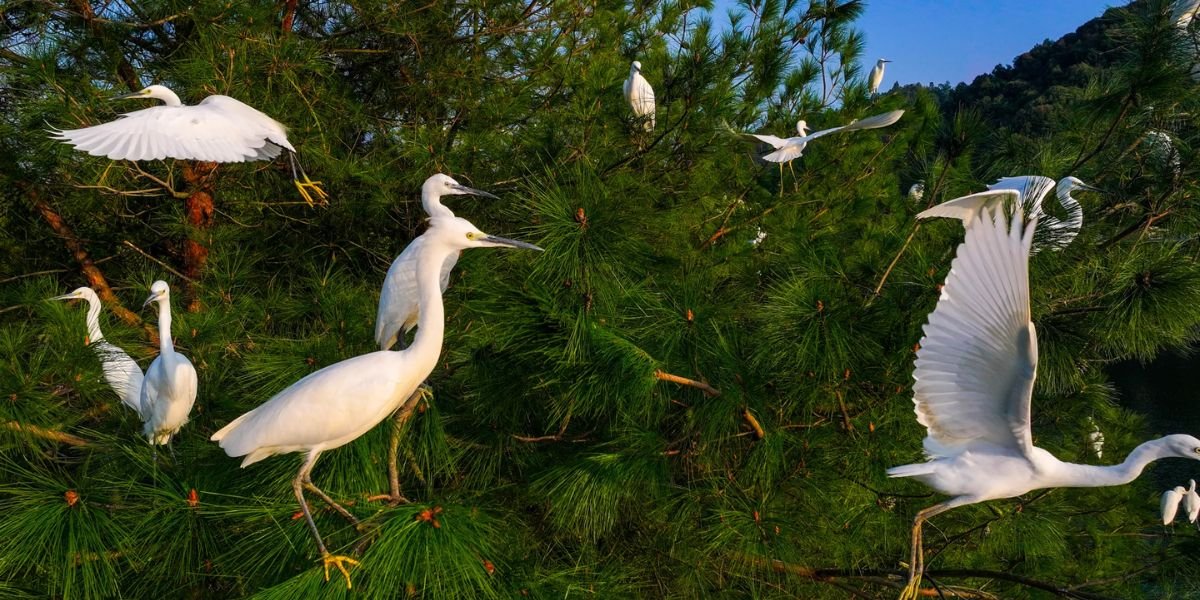
Parks already include many elements of nature — trees, soil, insects, birds, and more. Visitors can observe ecosystems, see how plants grow, and learn how natural systems work together.
2. Parks Serve the Whole Community
Unlike schools, parks are open to everyone. This makes them perfect for community-wide learning, including students, families, and seniors.
3. Parks Support Hands-On Learning
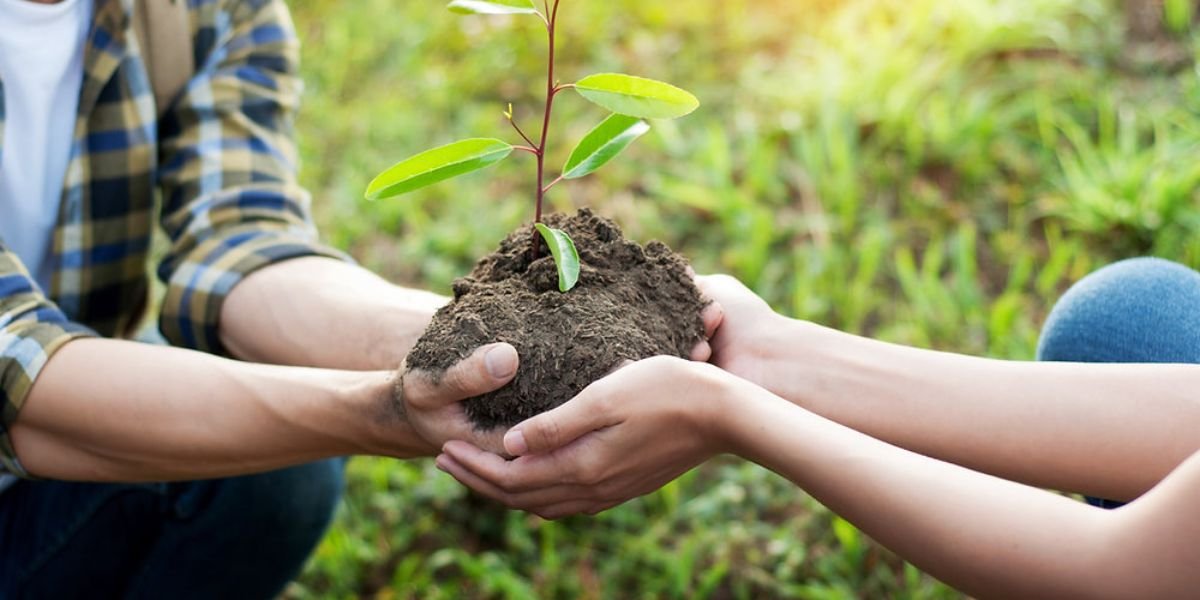
People learn best by doing. Parks allow for hands-on activities like planting trees, composting, or studying soil and water. These experiences stick with people far longer than lectures.
4. Parks Promote Daily Sustainable Behavior
By showing people how to recycle, reduce litter, save water, or travel by bike, parks can demonstrate sustainability practices in action.
Examples of Park-Based Sustainability Education
Across the U.S., many schools and cities use parks for environmental learning. Asheville can take inspiration from these ideas:
Outdoor Classrooms
Parks can be used for school field trips or weekend programs where students learn about local plants, weather, insects, or waste reduction.
Community Gardens
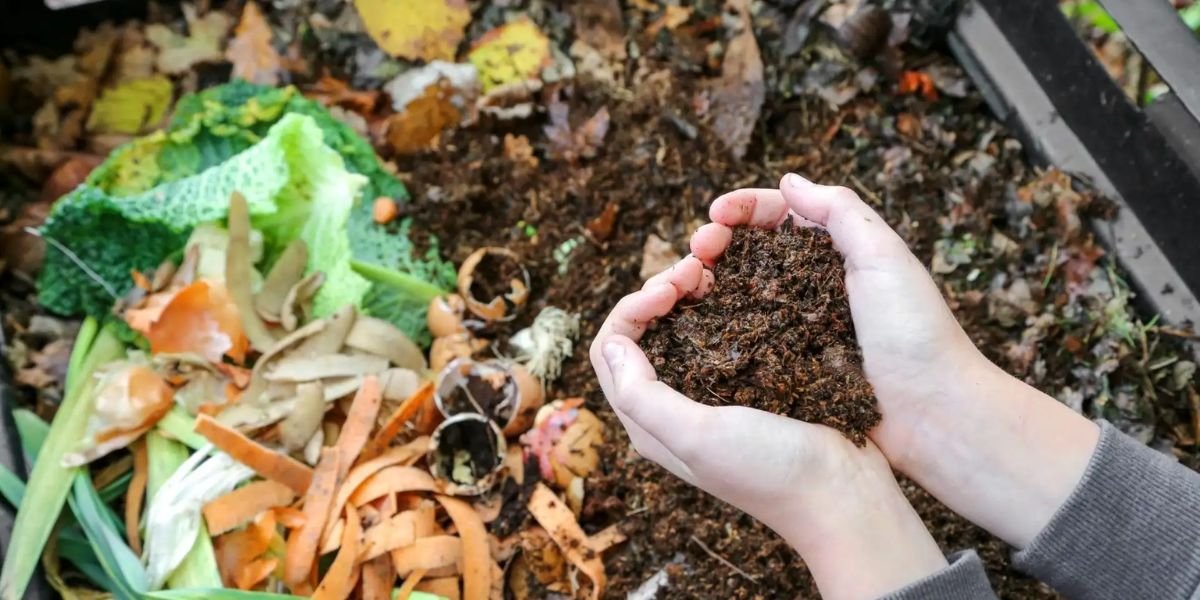
Park gardens can teach about food systems, composting, and soil health. These spaces also encourage local food and healthy eating.
Signage and Trails
Educational signs along walking trails can share facts about native trees, animals, climate change, and green practices.
Workshops and Events
Park spaces can host talks on recycling, clean energy, and sustainable living — helping adults and families learn how to care for the planet.
Green Building and Design
New park buildings and upgrades can include solar panels, rainwater systems, and recycled materials — showing the public how green design works.
How Schools and Parks Can Work Together
Schools like The Park School of Baltimore show how powerful it is when education and sustainability come together. They use composting, native plants, and solar energy to teach students to live responsibly.
Asheville schools can partner with parks to create similar programs:
- Science classes can study in parks
- Clubs can volunteer for park cleanups
- Art students can create signs or nature murals
- Teachers can use parks for environmental lessons
These partnerships build strong connections between young people and nature.
Making It Work in Asheville
Asheville already has a strong park system and a community that cares about the environment. Here are a few ideas to support park educational sustainability in local parks:
- Add signs about recycling, native plants, and water conservation
- Create shaded outdoor classrooms with seating
- Work with schools for regular learning activities
- Set up sustainability-themed events and workshops in parks
- Use local grant funding to build green park features
Programs like park green grants Asheville can support these efforts.
Why This Matters
Teaching sustainability in parks matters because:
- It builds awareness in everyday spaces
- It supports local climate goals
- It makes learning accessible and fun
- It helps develop long-term respect for nature
If children grow up learning in parks, they are more likely to care for the environment as adults. If families see good examples in parks, they may try green practices at home.
Public parks are shared spaces. Using them for learning brings the whole community together to create a cleaner, greener Asheville.
Conclusion
Parks are more than playgrounds or picnic spots — they are powerful tools for teaching and inspiring change. Through park educational sustainability, Asheville can show how nature, learning, and responsibility can work hand in hand.
With smart planning, school partnerships, and community support, our parks can become centers of green knowledge — helping us all make better choices for the environment and future generations.
Let’s take the next step: use our parks not just to relax, but to learn, grow, and lead the way in sustainability.