Introduction
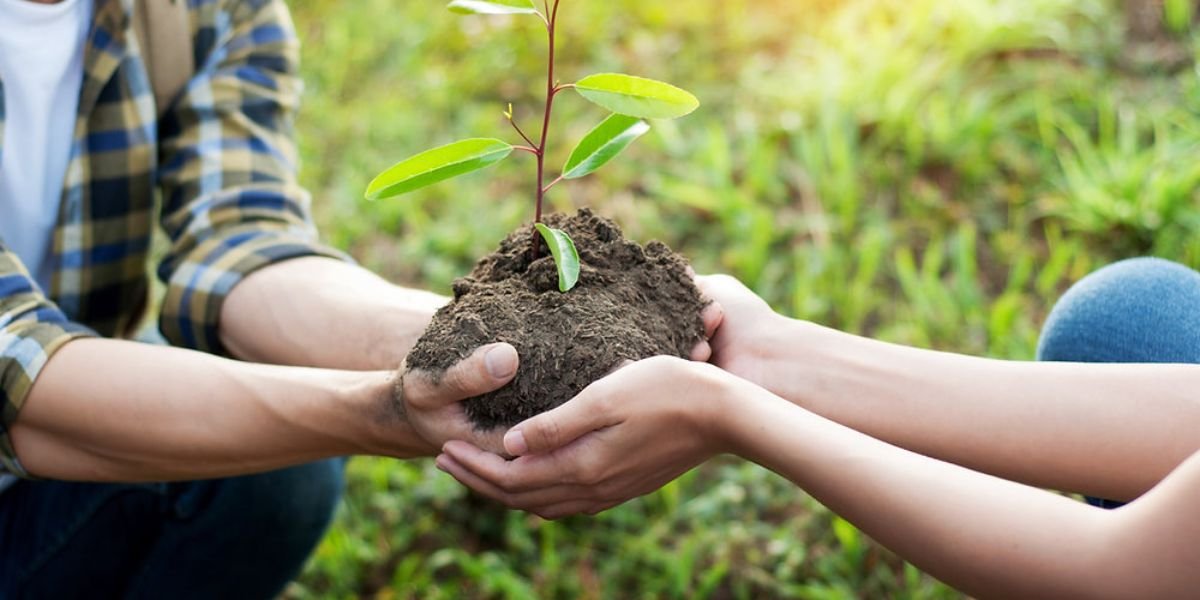
Parks are not only places to play and relax — they are also places to grow, learn, and connect. In Asheville, one exciting example of this is the park community garden Asheville program. These gardens are more than just patches of soil; they are spaces where neighbors come together to grow food, share knowledge, and support sustainability.
As part of Asheville Parks & Recreation’s commitment to building healthier and more resilient communities, local gardens like the one in the Dr. Wesley Grant Sr. Southside Center show how public parks can support fresh food access, environmental education, and community connection — all in one place.
This article explores how park community garden Asheville projects work, why they matter, and how you can get involved.
What Is a Park Community Garden?
A community garden is a shared space where people grow vegetables, fruits, herbs, and flowers. These gardens are often located in public parks or open spaces managed by local governments or nonprofit groups. Instead of each person having a private yard, neighbors share space and resources to grow food together.
In Asheville, some parks now include dedicated garden plots where individuals, families, or organizations can sign up to grow their own crops. The gardens are open to all skill levels — from beginners to experienced gardeners.
Benefits of Park Community Gardens
There are many reasons why park community gardens are good for people and the environment. Here are just a few:
1. Fresh, Healthy Food
Gardens provide access to fresh fruits and vegetables, which helps people eat healthier. For families living in areas with limited grocery stores, community gardens can be a valuable source of fresh produce.
2. Environmental Education
Gardens are natural classrooms. People learn about soil health, composting, pollinators, and seasonal crops. Children especially benefit from hands-on learning that connects them to nature.
3. Stronger Communities
Working side by side in a garden helps build trust and friendships. Gardens encourage neighbors to share tools, advice, and harvests. They also offer peaceful places to relax and socialize.
4. Waste Reduction
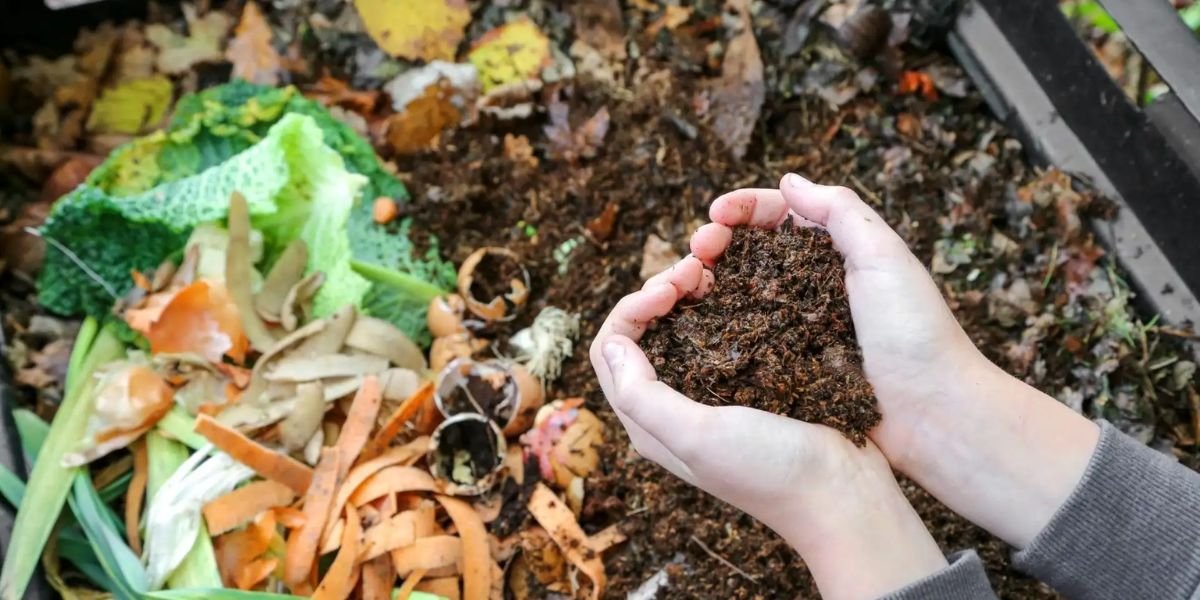
Many community gardens use composting to recycle food scraps and yard waste into nutrient-rich soil. This reduces the amount of trash going to landfills and supports a healthy growing environment.
5. Sustainability and Climate Action
Gardening supports sustainability by encouraging local food production, reducing the need for packaging and transportation. Plants also help clean the air, manage stormwater, and support pollinators like bees and butterflies.
Park Community Garden in Asheville: A Success Story
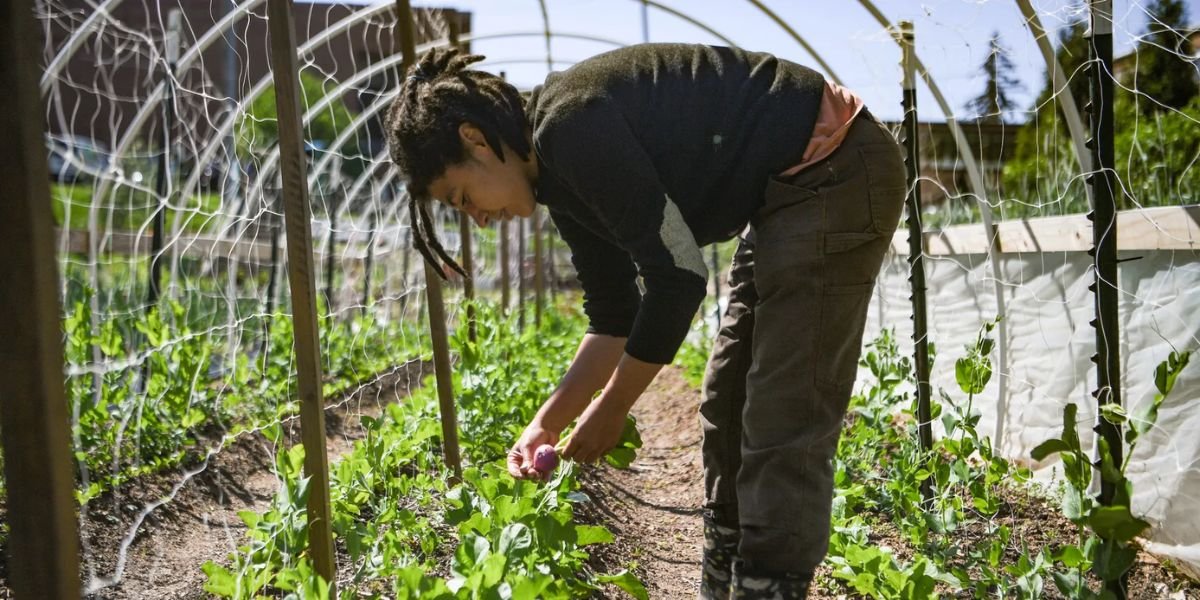
One standout example is the Southside Community Garden located at the Dr. Wesley Grant Sr. Southside Center in Asheville. This space was created with help from Asheville Parks & Recreation and local volunteers. The garden includes raised beds, compost bins, educational signage, and open space for workshops.
In a recent update from the City of Asheville, the garden was described as “thriving,” with dozens of active gardeners growing everything from tomatoes and squash to herbs and flowers. Participants of all ages, backgrounds, and skill levels are working side by side to grow healthy food and strong community roots.
The city has encouraged more residents to get involved, and space is still available for those who want to sign up. Plots are free or low-cost, and basic tools and water are often provided.
How to Get Involved
Interested in joining a park community garden Asheville project? Here’s how you can start:
- Visit the garden in person: Stop by a local garden like the one at the Southside Center to see what it looks like and talk to other gardeners.
- Contact Asheville Parks & Recreation: Ask about available garden plots, rules, and volunteer opportunities.
- Start small: Even if you’ve never gardened before, there are simple crops like lettuce, herbs, or beans that are easy to grow.
- Bring your skills: Whether you’re a carpenter, artist, or cook, community gardens often need help beyond just planting.
- Join or support workshops: Many gardens host educational sessions on composting, planting schedules, or cooking what you grow.
What Parks Can Do to Support More Gardens
As interest grows, Asheville’s parks can expand their support for sustainable gardening by:
- Creating new garden sites in underused park areas
- Partnering with schools and nonprofits to support youth gardening
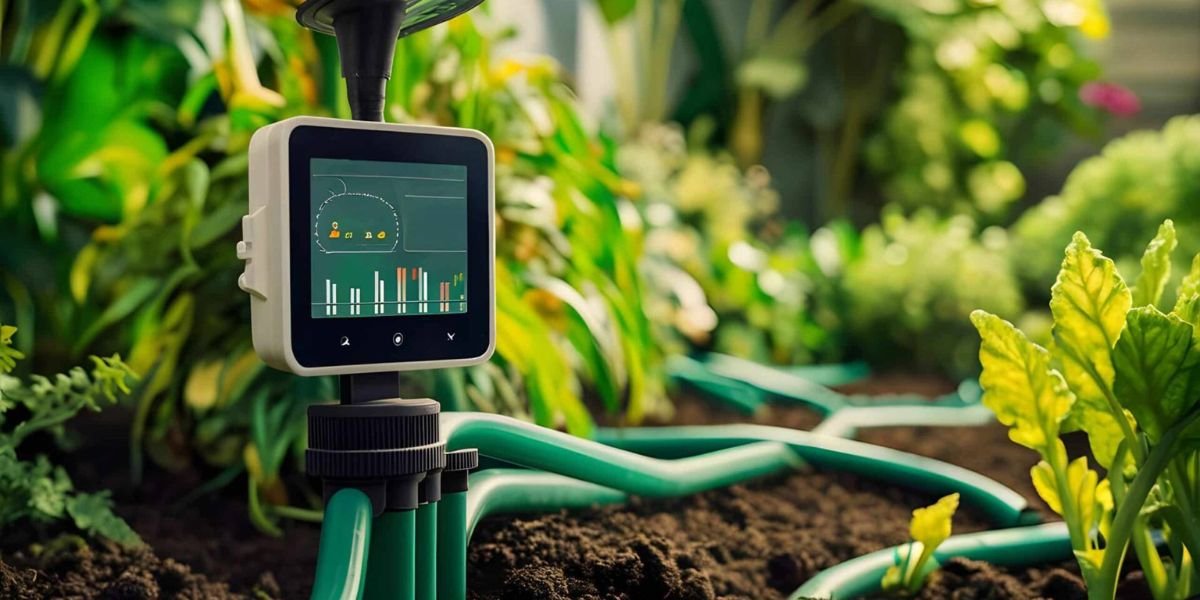
- Adding water-saving irrigation systems and solar lighting
- Including garden space in future Rebuild & Improvements plans
- Promoting gardens as part of Asheville’s wider Sustainability goals
Community gardens are a low-cost, high-impact way to bring life and learning to any public space.
Conclusion
The park community garden Asheville model is proof that green space can be more than just lawns and playgrounds — it can also be a place to grow food, build community, and teach sustainability. As Asheville continues to improve and invest in its parks, adding or expanding gardens is a smart, meaningful step toward a healthier future.
Whether you’re growing tomatoes or simply enjoying the view, community gardens offer a deeper connection to the land, the seasons, and the people around you. And that’s something worth planting, nurturing, and sharing.
Source:
City of Asheville – Asheville Community Garden Blooms