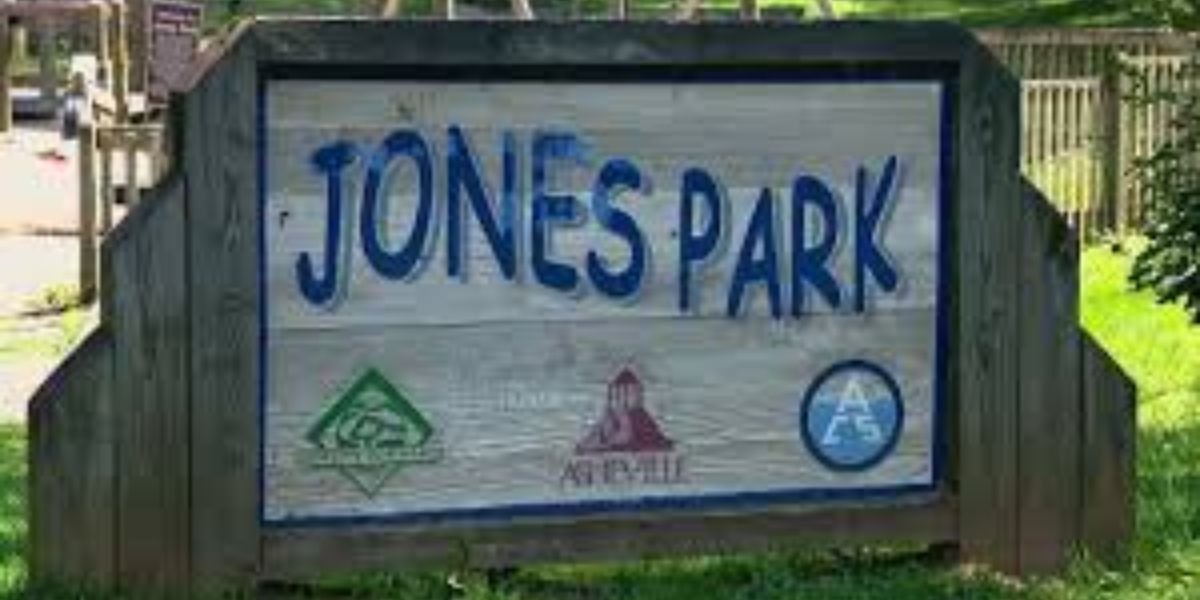
Asheville, NC – Jones Park has long been a hub for community gatherings, evening walks, and late-night hangouts. But recently, a night curfew has been introduced, sparking questions among local residents and visitors alike. Many are asking: why was this curfew implemented, and what does it mean for the future of public spaces in Asheville?
The decision has stirred debate, balancing safety concerns with the community’s right to enjoy public parks at all hours. Let’s take a closer look at the reasons behind the curfew, the reactions from the public, and how it could reshape park usage moving forward.
Why the Curfew Was Introduced
According to city officials, the primary reason for implementing the curfew is public safety. Reports of late-night disturbances, vandalism, and even small fires raised concerns about the park being misused during nighttime hours. Local authorities determined that limiting access between 10:00 p.m. and 5:00 a.m. could help reduce these incidents.
“The park should be a place where families and individuals feel safe,” explained an Asheville Parks & Recreation spokesperson. “Unfortunately, when it’s unsupervised at night, risks increase for both visitors and the park itself.”
The curfew is part of a larger strategy to protect natural resources, prevent property damage, and ensure that law enforcement can better monitor public areas.
Community Reactions: Mixed Feelings
Reactions to the curfew have been divided. Some residents support the decision, citing improved safety and preservation of the park. “I used to worry about walking through the park at night,” said Karen Williams, a local parent. “Now I feel like the rules will discourage unsafe gatherings and make the park more welcoming during the day.”
Others, however, feel the new rules are overly restrictive. Mark Johnson, a university student, expressed frustration: “I work late shifts and often stop by the park to relax afterward. This curfew takes that away from people like me.”
Local community groups have also voiced concerns that the curfew may limit accessibility, especially for individuals who rely on the park for exercise or a quiet space outside of typical hours.
Safety and Environmental Benefits
Supporters of the curfew point to several potential benefits:
- Reduced vandalism and graffiti on park structures.
- Lower crime rates, as fewer unsupervised gatherings happen overnight.
- Environmental protection, with less disturbance to wildlife that thrives after dark.
- Improved maintenance, since the park staff can plan early-morning cleanups without overnight activity undoing their efforts.
Wildlife advocates, in particular, have highlighted how nighttime human activity disrupts local species. By limiting access, the park could become a safer habitat for animals like owls, foxes, and other nocturnal creatures.
Balancing Freedom and Responsibility
The curfew has opened up a larger conversation about how public spaces should be managed. On one hand, parks belong to the people and should be available at all hours. On the other, the city has a responsibility to keep these areas safe and sustainable.
Some community leaders suggest that a compromise might be possible. For example, special permits could allow groups to use the park after hours for events, while ordinary access remains restricted. Others recommend installing more lighting and security cameras as an alternative to blanket restrictions.
“The challenge,” noted Council Member David Lee, “is finding a balance between freedom and responsibility. Parks are meant to be shared spaces, but they also require care and oversight.”
How the Curfew Will Be Enforced
City officials have stated that enforcement will be focused on education first, rather than punishment. Visitors found in the park after curfew hours will typically receive a warning, though repeated violations may result in fines. Asheville Police Department officers will conduct regular patrols, particularly in areas where past incidents were most frequent.
Officials emphasize that the rule isn’t intended to exclude people but to protect the park and its visitors. In time, they believe the community will adapt, and the park’s daytime use will flourish even more.
The Bigger Picture: Parks and Public Policy
The Jones Park curfew reflects a broader trend seen in many U.S. cities, where increased urban activity has forced leaders to rethink how public spaces are used. With more people relying on parks for recreation, wellness, and community activities, managing them effectively has become a pressing challenge.
Some experts believe this curfew could serve as a test case for Asheville’s other parks. If successful, similar policies might be rolled out across the city to enhance safety and protect resources.
Conclusion: A New Chapter for Jones Park
The night curfew at Jones Park marks a shift in how Asheville balances community freedom with public safety. While not everyone agrees with the decision, it highlights the importance of adapting policies as urban needs change.
For some, the curfew represents a loss of freedom; for others, it offers peace of mind. Regardless, the conversation it has sparked is vital. Parks remain central to Asheville’s identity, and finding the right balance will ensure they continue to serve the community for generations to come.
What’s your take on the night curfew at Jones Park? Share your views in the comments below!