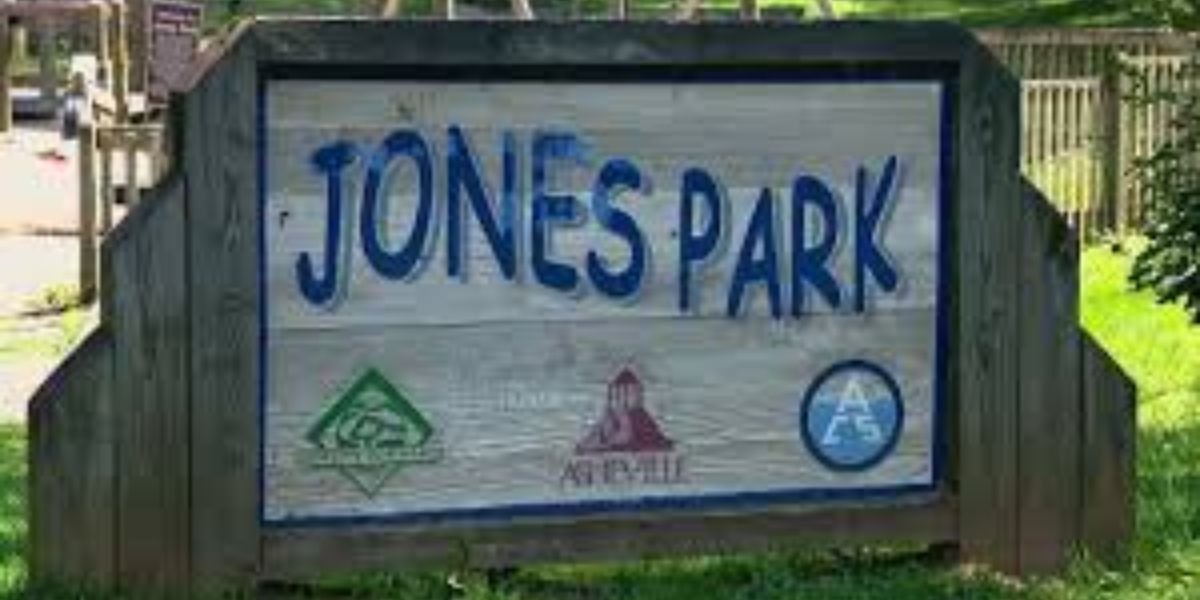
Asheville, NC – Parks serve as communal spaces for relaxation, exercise, and recreation, yet, despite the clear rules set in place, misunderstandings often arise about the regulations that govern their use. Jones Park, one of Asheville’s most visited parks, is no exception. From misconceptions about pet policies to noise restrictions, these misunderstandings can lead to frustration among park-goers and staff. In this article, we tackle some of the most common myths about park rules and provide the facts to clear up the confusion, ensuring a smoother experience for everyone.
Myth 1: “Pets Are Not Allowed in Jones Park”
Fact: Jones Park is a pet-friendly space, but like many public parks, it has specific rules regarding pets. Leashed dogs are welcome throughout the park, and pet owners must clean up after their animals. However, certain areas like playgrounds and specific trails are off-limits to pets for safety and health reasons. This regulation ensures that both pets and visitors enjoy the park without disrupting each other’s experience.
Visitors are also encouraged to check the park’s pet signage for specific rules in designated pet-friendly zones. So, while dogs aren’t allowed everywhere, there are plenty of spaces in Jones Park for pets to enjoy.
Myth 2: “You Can Play Music Loudly as Long as It’s Daytime”
Fact: While it may seem harmless to blast music during a sunny afternoon, noise regulations are in place to maintain a peaceful environment for all park visitors. Jones Park enforces a quiet hours rule, typically from 10 PM to 8 AM, during which loud music, amplified sounds, and other disturbances are prohibited.
During the day, playing music at a reasonable volume is acceptable. However, park staff may intervene if the noise is disruptive to other visitors. The key is to keep the volume at a level where others can still enjoy the park without feeling disturbed. Remember, a peaceful atmosphere is central to the park’s mission.
Myth 3: “You Don’t Need a Permit for Any Park Event”
Fact: Many people are surprised to learn that hosting a small gathering or event in a public park often requires a permit. Whether it’s a picnic, birthday party, or large community event, any gathering that exceeds a certain number of people (usually 20-30) or includes special requests such as amplified sound, tents, or selling merchandise will need prior approval. This helps the park manage space, resources, and visitor flow.
For events that are open to the public, organizers must apply for a special event permit, which involves submitting a plan and possibly paying a fee. The permitting process ensures that everything runs smoothly, from restroom access to security. It also ensures that park resources, like pavilions and open spaces, are allocated fairly.
Myth 4: “If a Park Rule Is Not Enforced, It’s Not Really a Rule”
Fact: Just because a rule is not consistently enforced does not mean it isn’t valid. Park regulations are designed to maintain safety and ensure enjoyment for all visitors, but enforcing every rule every moment can be challenging for park staff, especially in larger parks like Jones Park. However, the absence of enforcement does not absolve visitors from following the rules.
For example, while there might not always be a staff member nearby to ensure no one is smoking in non-designated areas or that dogs are leashed, these rules are still legally binding and help to create a safer and more pleasant experience for everyone. It is always better to be mindful of park policies, even if enforcement isn’t immediate.
Myth 5: “Park Closures Are Only for Maintenance”
Fact: While some park closures are indeed due to maintenance or renovations, closures can also occur for safety reasons. For example, certain trails or park areas may close temporarily due to wildlife activity, weather conditions, or even emergency situations. When such closures happen, it’s to ensure that visitors are safe and that the park can recover properly.
Jones Park uses signage and social media platforms to notify the public of any temporary closures, but if you plan to visit a specific area, it’s always a good idea to check the park’s website or contact park management for up-to-date information. Keep in mind that some closures might last for a few hours or even days, depending on the circumstances.
Myth 6: “You Can Leave Your Trash in the Bins at the Park”
Fact: While it’s true that trash cans are located throughout Jones Park, many visitors assume that it’s okay to leave large items or unusual waste (like furniture, electronics, or leftover food) behind. This is a common misunderstanding that contributes to overflowing bins and a dirty environment.
The reality is that park visitors should be mindful of how they dispose of their waste. Large items should be taken with you, and recyclable materials should be placed in designated bins. Many parks, including Jones Park, emphasize the importance of leaving no trace, which means picking up after yourself and respecting the space for future visitors.
Myth 7: “Children Can Play on Any Structure, Regardless of Age”
Fact: Not all park equipment is suitable for every age group, and Jones Park enforces age-appropriate rules for playground use. Play structures have age restrictions to ensure children’s safety, with some areas designated for toddlers and others for older kids. While it may seem harmless to let a toddler use the larger slides or swings meant for older children, doing so can pose a safety risk.
The park provides clear signage indicating which play structures are intended for specific age groups. This ensures that younger children aren’t at risk of injury from equipment meant for older, more physically capable kids. Always check the age guidelines before letting your child play on any equipment.
Myth 8: “You Can Camp Anywhere in the Park”
Fact: While Jones Park offers some incredible green spaces, camping is not permitted outside designated areas. In fact, most parks in Asheville do not allow overnight camping unless it is at a designated campground. This rule helps prevent damage to park resources and preserves the natural environment for everyone’s enjoyment.
There are a few local parks that do offer camping permits, but Jones Park is not one of them. Those interested in camping should look for areas that are specifically set up for that purpose. Remember, camping outside of designated areas can lead to fines and the disruption of the park’s ecosystem.
Myth 9: “Park Staff Will Always Take Care of Your Lost Items”
Fact: While park staff do their best to help visitors find lost items, there are no guarantees that an item will be returned. Lost-and-found services are available, but if an item is not claimed within a reasonable timeframe, it may be discarded. It’s always best to keep track of your belongings and report any lost items as soon as possible.
For valuable or sentimental items, make sure to visit the lost-and-found office or call park management immediately. The park’s staff will do their best to assist, but visitors are encouraged to be vigilant in protecting their personal property.
Conclusion: Clarifying the Rules for a Better Experience
As you can see, many of the myths surrounding park rules stem from misunderstandings or lack of awareness. By staying informed and following the actual park guidelines, everyone can enjoy the beauty of Jones Park in a respectful and safe environment. Whether it’s knowing the pet policies, respecting noise levels, or following event guidelines, understanding the rules is essential for maintaining the park’s charm and ensuring that it remains a wonderful space for all to enjoy.
What other park rules have you heard myths about? Share your thoughts in the comments below!