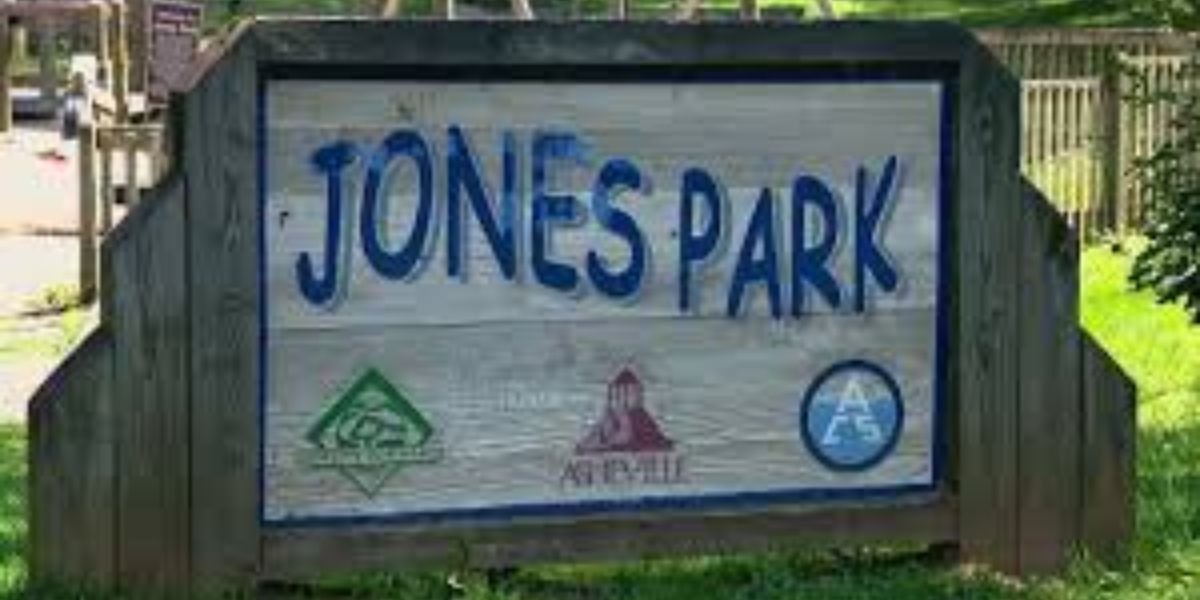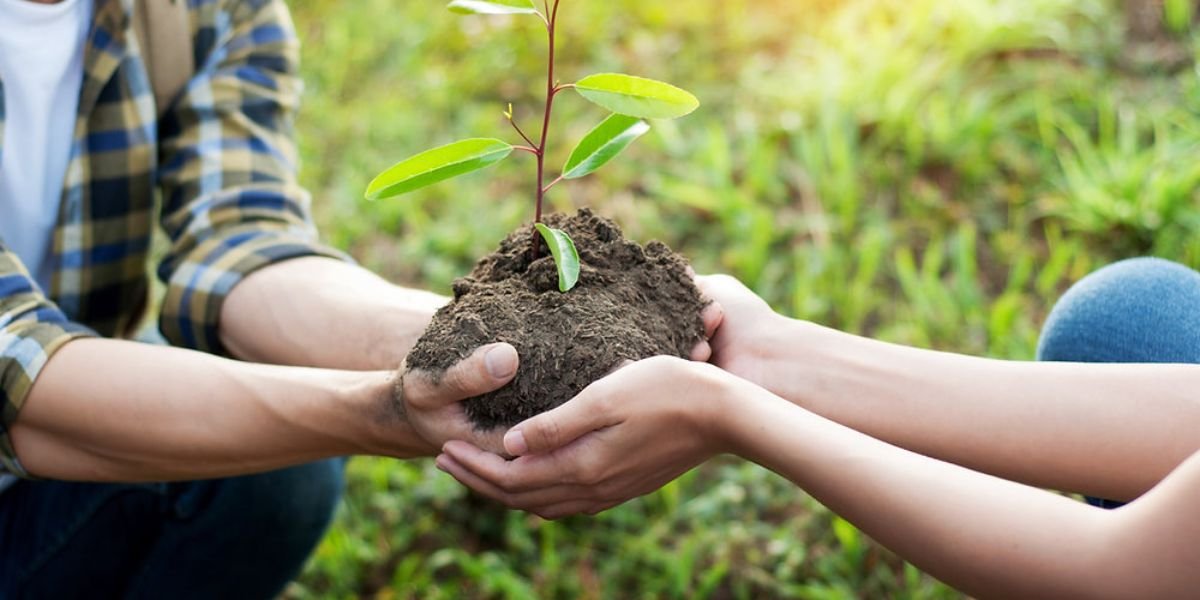
Asheville, NC – In a bid to enhance the city’s green spaces and contribute to long-term environmental sustainability, Asheville has launched an ambitious new tree-planting program. Spearheaded by the city’s Parks and Recreation Department, this initiative aims to plant thousands of trees across public spaces, including Jones Park, neighborhood streets, and various parks throughout Asheville. The program not only focuses on beautifying the area but also tackles important issues such as air quality, climate change, and urban heat island effect. Here’s a closer look at what’s being planted, where, and why it matters.
The Vision: A Greener, Healthier Asheville
The overarching goal of the tree-planting program is to create a greener, more resilient city. With climate change posing significant challenges, urban areas like Asheville are increasingly looking to trees as a solution to reduce carbon footprints and improve the quality of life for residents. The program also reflects a broader global push toward sustainability—one tree at a time.
“We’re planting more than just trees; we’re planting the future of Asheville,” says Karen Stevens, Director of Asheville’s Parks and Recreation Department. “Each tree has the power to absorb carbon, improve air quality, and provide shade and beauty to our public spaces. We’re making Asheville a cleaner, more welcoming city.”
Where Are the Trees Going?
While Jones Park is one of the primary locations for the tree-planting efforts, the program is citywide, targeting areas that need the most attention. These include:
- Public Parks and Green Spaces:
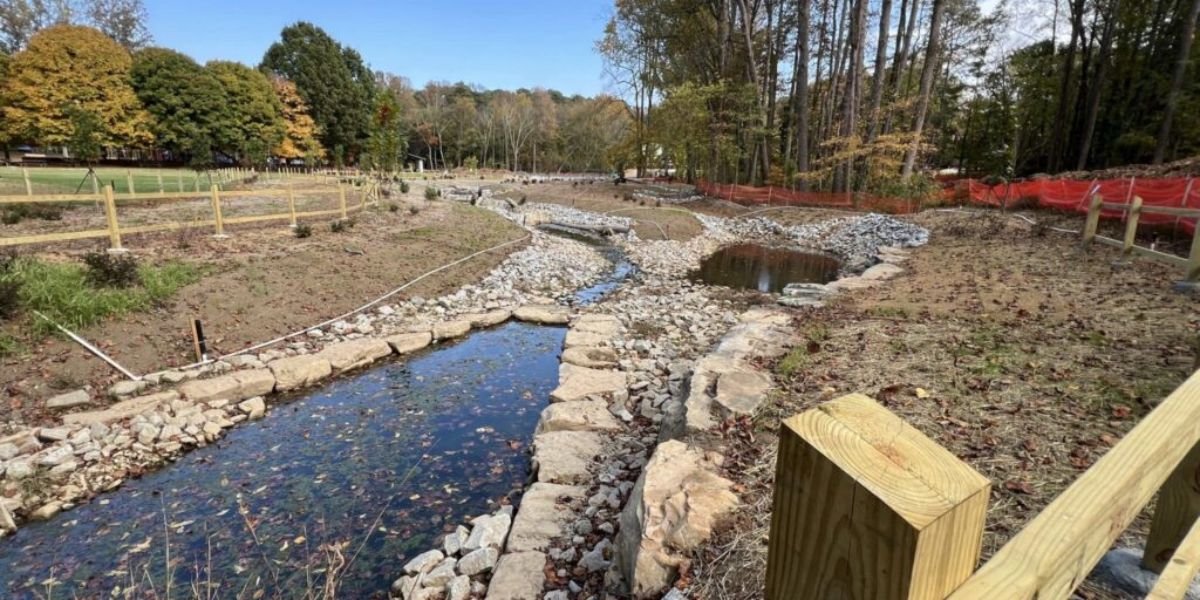
- Jones Park will see a mix of native hardwoods and conifers, which will add to the park’s ecological diversity.
- Biltmore Village Park is receiving additional shade trees, aimed at improving comfort for park-goers during summer months.
- Neighborhood Streets and Urban Areas:
- Trees will line Asheville’s residential streets, helping to reduce the urban heat island effect, provide shade, and improve walkability.
- South Slope District is one of the targeted areas for street trees, as the area continues to grow and develop with new housing and commercial spaces.
- Public Buildings and Institutions:
- Trees will also be planted around government buildings, libraries, and schools, offering shade and visual beauty while enhancing the health benefits of these community hubs.
- School Grounds:
- Local schools are part of the program too. Trees will be planted to create learning environments and encourage environmental education for students.
By focusing on both urban and suburban areas, the program aims to address the unique needs of different parts of the city, enhancing the overall ecological balance.
What Trees Are Being Planted?
The city has focused on planting native species that thrive in Asheville’s climate and support local wildlife. These species include a mix of deciduous and evergreen trees, ensuring a diverse ecosystem throughout the city. Here’s a breakdown of some of the trees being planted:
- Red Maple (Acer rubrum)
A fast-growing tree known for its vibrant red leaves in the fall, the Red Maple is ideal for urban environments. It’s also drought-resistant and can tolerate a variety of soil conditions. - Eastern Redbud (Cercis canadensis)
Known for its striking purple-pink flowers in spring, the Eastern Redbud is perfect for adding color to urban spaces. It also provides valuable habitat for local wildlife, particularly pollinators like bees and butterflies. - White Oak (Quercus alba)
A stately tree known for its large canopy, the White Oak will be planted in more spacious areas like Jones Park. It provides excellent shade, improves air quality, and supports various wildlife, from birds to insects. - American Holly (Ilex opaca)
A hardy evergreen that can add year-round greenery to both public and residential areas. Its bright red berries also attract birds, making it a great addition for both aesthetic and ecological benefits. - Longleaf Pine (Pinus palustris)
A tree species once common in the Asheville area, the Longleaf Pine is being replanted in specific parts of the city to restore historic plant communities and promote a healthy ecosystem. This pine is especially important for the region’s wildlife habitats. - Sweetgum (Liquidambar styraciflua)
Known for its star-shaped leaves that turn brilliant shades of red, yellow, and orange in the fall, the Sweetgum is a perfect shade tree for urban settings. It also plays an important role in improving air quality by absorbing pollutants.
Benefits Beyond Aesthetics: Why This Matters
While the visual impact of these trees is undeniable, their environmental and health benefits are even more significant. Here’s why this program is so important:
- Climate Change Mitigation:
Trees absorb carbon dioxide, one of the leading contributors to climate change. By planting more trees throughout Asheville, the city is helping to combat global warming on a local scale. - Improved Air Quality:
Trees act as natural air filters, trapping dust, pollen, and other pollutants, which is especially beneficial in urban areas where air quality can sometimes be poor. - Urban Heat Reduction:
By shading streets and buildings, trees reduce the urban heat island effect, keeping temperatures cooler in the summer and reducing energy costs for air conditioning. - Wildlife Habitat:
Trees support a wide range of wildlife, providing shelter and food for birds, insects, and small mammals, helping to maintain Asheville’s rich biodiversity. - Mental Health:
Spending time near greenery and natural spaces has been shown to reduce stress and improve mental well-being. This is especially important in urban areas where people may not have easy access to nature.
What’s Next for the Program?
The city’s tree-planting program is just the beginning. Over the coming years, there will be continued efforts to expand tree coverage in Asheville, with a focus on areas that still have few green spaces. There will also be a long-term maintenance plan to ensure these trees thrive for decades to come.
As part of this initiative, the city plans to hold community workshops where residents can learn about the importance of trees, how to care for them, and ways to get involved in future planting efforts. Local schools will also be offering tree planting programs to educate children about environmental stewardship and sustainability.
Conclusion: Growing a Greener Asheville
As Asheville continues to grow, the new tree-planting program serves as a vital step toward ensuring that the city remains green, sustainable, and vibrant for generations to come. Not only does it beautify the city, but it also provides important environmental, health, and ecological benefits. Whether you’re visiting Jones Park or walking along your neighborhood street, the trees around you are working hard to make Asheville a better place to live, work, and play.
What are your thoughts on the new tree-planting program in Asheville? How has it affected your local park or community? Share your thoughts in the comments below!