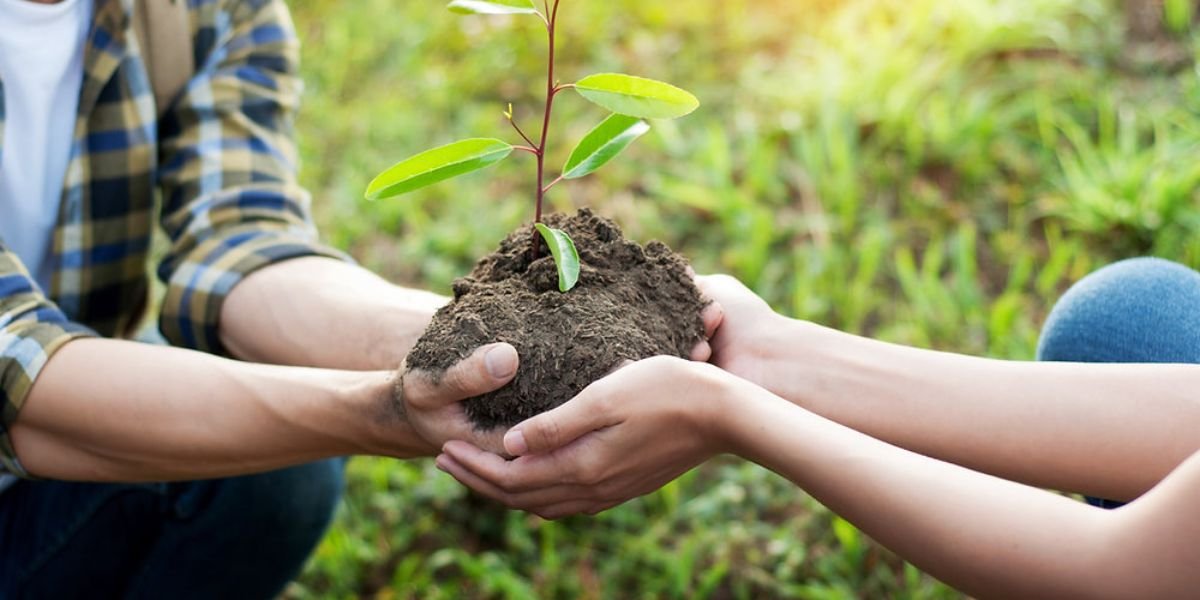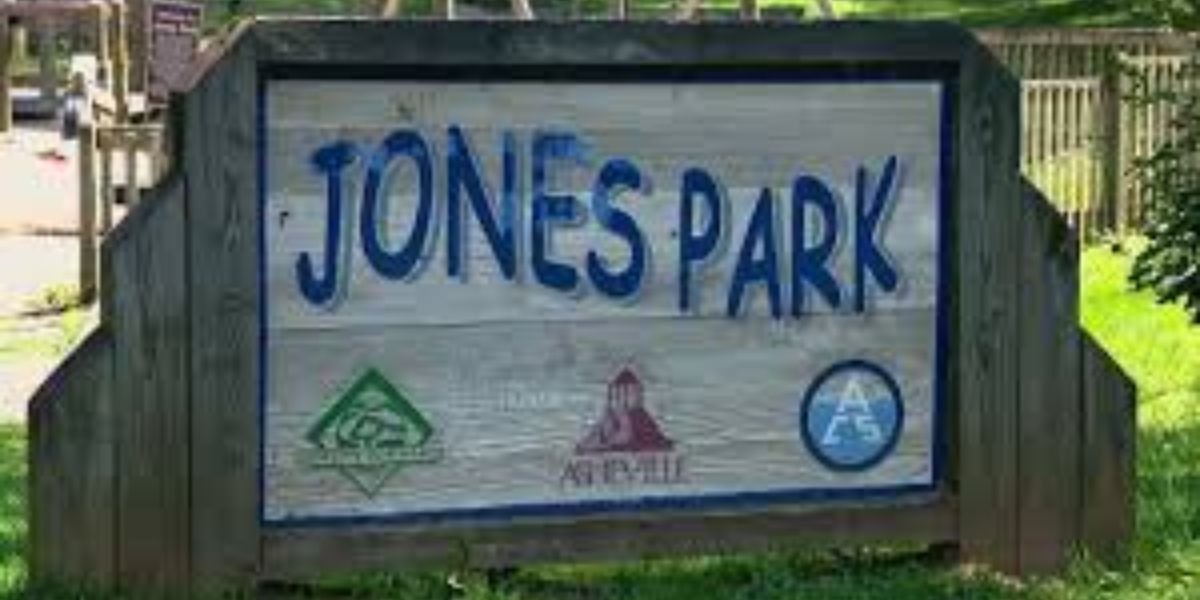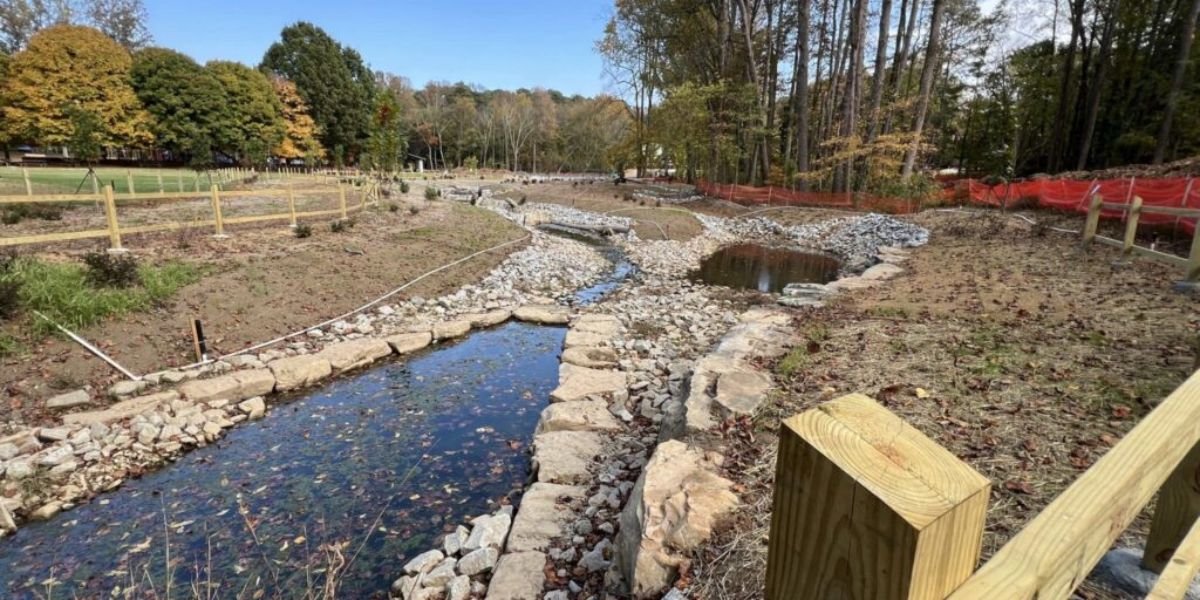
Asheville, NC – Every year, tons of food scraps and organic waste end up in landfills, where they release harmful greenhouse gases like methane. But what if those kitchen leftovers could instead help nurture local green spaces like Jones Park? That’s the mission behind the park’s new community composting initiative, which aims to turn everyday household waste into nutrient-rich soil that sustains the park’s gardens and trees.
This growing movement isn’t just about sustainability—it’s about community participation. By learning how to compost at home and contribute to the park’s eco-programs, Asheville residents can directly support the environment and help keep their public spaces thriving.
Why Composting Matters for Parks
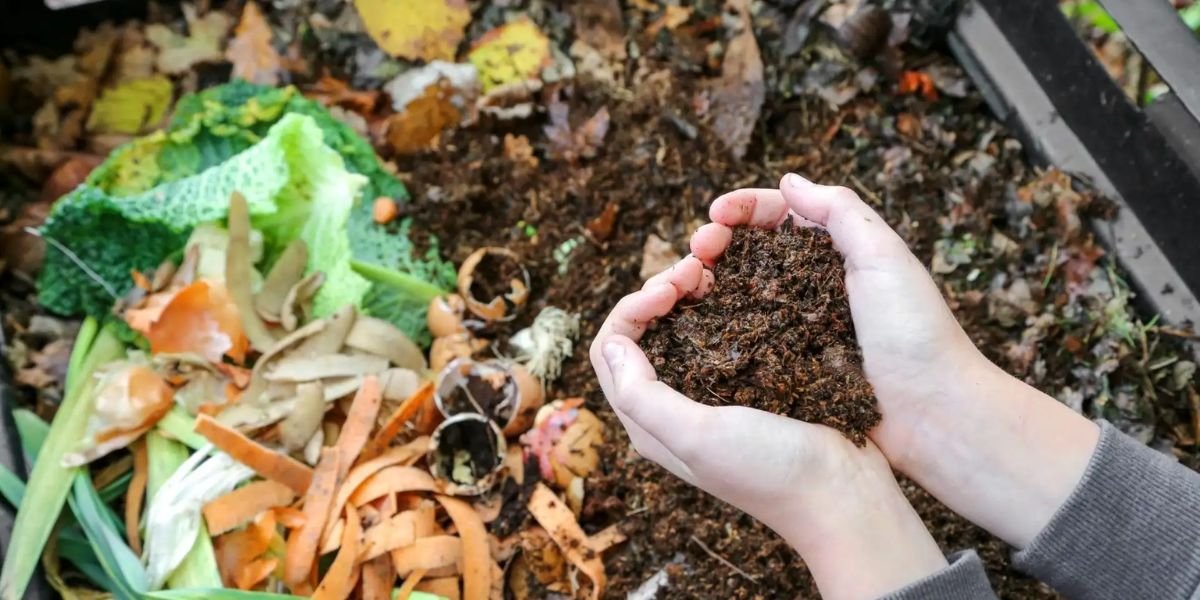
Composting is one of the simplest and most effective ways to reduce waste while supporting nature. When organic matter like vegetable peels, coffee grounds, and eggshells decompose, they form compost, a dark, rich material filled with nutrients that improve soil health.
For Asheville’s Jones Park, this compost becomes a natural fertilizer for lawns, flower beds, and trees—eliminating the need for chemical fertilizers. As park maintenance coordinator Ellen Wright explains, “Every bucket of compost added to the soil strengthens our plants and reduces our dependence on synthetic products. It’s a win for the park and the planet.”
The environmental impact is significant too. Composting can divert nearly 30% of household waste from landfills. By participating, locals not only cut down on waste but also reduce greenhouse gas emissions that contribute to climate change.
How the Community Compost Program Works
The Jones Park Composting Program makes it easy for residents to contribute. Designated collection bins have been installed at several park entrances, allowing locals to drop off their kitchen scraps anytime between 8 a.m. and 6 p.m..
Accepted materials include:
- Fruit and vegetable scraps
- Coffee grounds and filters
- Eggshells
- Yard trimmings and leaves
- Small amounts of shredded paper or cardboard
However, to maintain a healthy compost balance, the park advises avoiding meat, dairy, oils, and processed food, which can attract pests and slow down decomposition.
Collected materials are transferred weekly to the Asheville Green Resource Center, where they are turned into compost through an aerobic process that involves mixing, turning, and temperature monitoring. After several weeks, the finished compost is returned to Jones Park for soil enrichment and landscaping use.
How You Can Start Composting at Home
Even if you don’t live near the park, you can make a difference right from your kitchen. Home composting doesn’t require fancy equipment—just a compost bin, a mix of green and brown materials, and regular turning to aerate the pile.
Here’s a simple setup to get started:
- Choose a spot for your compost bin (backyard, balcony, or indoor compost container).
- Layer greens and browns — greens include food scraps and grass clippings, browns include dry leaves, cardboard, and paper.
- Add water sparingly to keep it moist but not soggy.
- Turn it weekly to allow air circulation and speed up decomposition.
In a few weeks, your compost will darken and develop an earthy smell—ready to be used in potted plants, gardens, or donated to local projects like the one at Jones Park.
Community Impact and Education
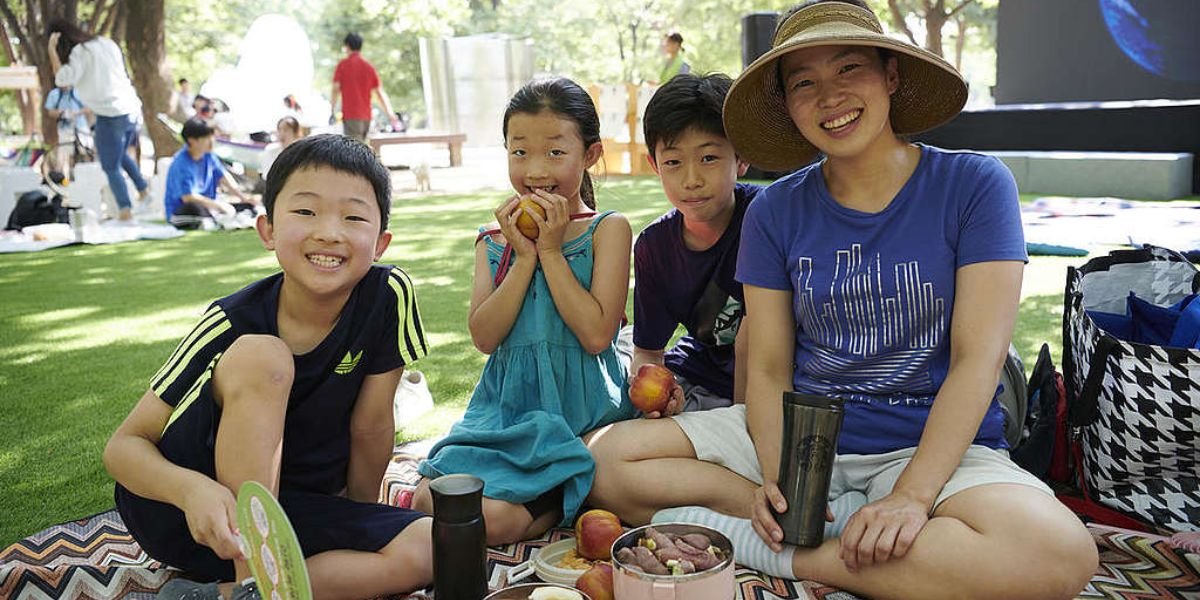
The compost program at Jones Park is also a teaching tool. Local schools and community groups are invited to take part in composting workshops that teach children about waste cycles, sustainability, and environmental stewardship.
According to Park Director Angela Rivera, “Our goal is to make sustainability a habit, not a hobby. When families learn how easy composting is, they start to view waste differently. That shift in mindset creates long-term impact.”
Residents who participate in the program are recognized with Community Green Points, a volunteer-based recognition system that celebrates local contributions toward sustainability. Volunteers who contribute regularly may also receive small tokens like free entry to local eco-events or park planting days.
Challenges and Next Steps
Despite its success, the composting initiative faces logistical challenges. Managing odor control, ensuring proper waste sorting, and maintaining the composting site require ongoing community discipline. However, the park’s partnership with local nonprofits and volunteers has made these challenges manageable.
Looking forward, the park plans to expand the composting system by introducing on-site compost tumblers and more educational signage to help visitors understand the composting process in real time. There’s also a proposal to develop a “Compost Garden” section within the park, where visitors can see the process from start to finish.
The Bigger Picture: Building a Greener Asheville
Jones Park’s compost initiative is part of Asheville’s broader sustainability strategy, which includes renewable energy use, waste reduction, and community-led green projects. The city’s emphasis on local participation makes programs like this one successful.
When residents recycle and compost, the results ripple outward—healthier parks, cleaner air, and a stronger sense of community. Composting, while small in scale for each household, becomes transformative when practiced collectively. It turns waste into growth, literally feeding the city’s green lungs.
Conclusion: Every Scrape Counts
Composting isn’t just for environmental enthusiasts—it’s a simple act with enormous benefits. By turning food scraps into compost, you help nourish the very parks you enjoy. Jones Park’s compost initiative shows what’s possible when a community comes together for a greener cause.
So next time you clear your dinner plate, think twice before tossing your leftovers. That banana peel or coffee ground could soon help a flower bloom or a tree grow in your neighborhood park.
Want to join the movement? Bring your kitchen scraps to the compost bins at Jones Park and become part of Asheville’s journey toward a cleaner, greener future. What do you think of this initiative? Share your thoughts below!