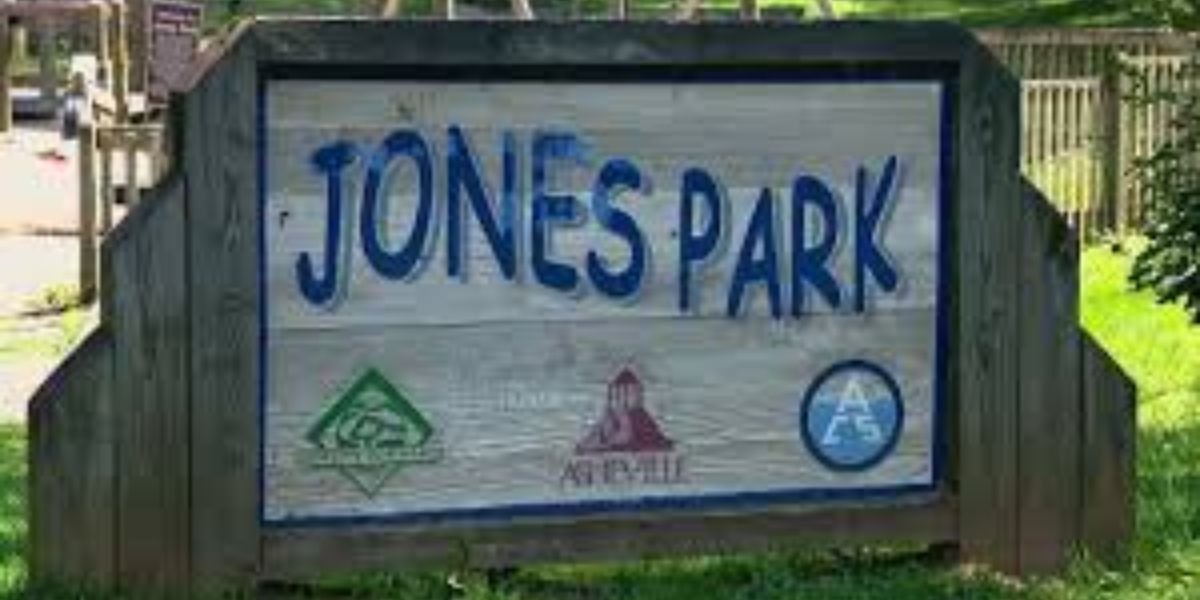
Asheville, NC – Food trucks have become an essential part of Asheville’s vibrant food culture, offering everything from gourmet tacos to plant-based treats. With Jones Park becoming a popular gathering place for families, visitors, and community events, many food truck vendors are eager to set up shop there. But before rolling in, vendors must follow a set of rules and licensing requirements to operate legally within the park. This article breaks down the steps, rules, and best practices to help food truck owners get licensed and thrive in Jones Park.
Why Food Trucks in Jones Park?
Jones Park has grown into more than just a recreational space; it’s a hub for community events, outdoor concerts, and weekend picnics. Adding food trucks brings more convenience and variety to visitors while supporting local businesses. For vendors, the park provides high foot traffic, a friendly audience, and the chance to showcase their food to new customers.
However, with opportunity comes responsibility. Vendors must comply with both city ordinances and park-specific rules to ensure safety, fairness, and cleanliness.
Step 1: Understand Local Food Truck Regulations
Before applying for a park license, vendors need to comply with Asheville’s general food truck laws. These include:
- Mobile Food Vendor Permit: Issued by the city, this permit confirms the truck meets zoning and operational rules.
- Health Department Approval: Trucks must pass inspection from the Buncombe County Health Department.
- Fire Safety Standards: Food trucks with propane or generators must comply with Asheville Fire Department guidelines.
Without these baseline approvals, vendors cannot operate anywhere in Asheville, including parks.
Step 2: Apply for a Jones Park Vendor License
Once the city requirements are met, vendors must apply for a Jones Park Vendor License. This process typically involves:
- Application Submission – Complete the official vendor application form, often available on the city or park’s website.
- Proof of Permits – Submit copies of your city-issued permits and health inspection certificate.
- Insurance Coverage – Provide proof of liability insurance, often with the city listed as an additional insured party.
- Fees – Pay the required vendor licensing fee, which varies depending on duration (daily, seasonal, or annual).
The park authority reviews applications and approves trucks based on availability, food variety, and event needs.
Step 3: Follow Park-Specific Rules
Food trucks must follow strict guidelines while operating inside Jones Park:
- Designated Parking Zones: Trucks are only allowed in specific areas to avoid blocking entrances, walkways, or emergency routes.
- Hours of Operation: Vendors may operate only during approved park hours and scheduled events.
- Noise & Power Regulations: Generators must meet noise limits; trucks are encouraged to use quiet, eco-friendly alternatives.
- Waste Management: Vendors must provide trash bins and ensure no litter is left behind.
- Menu Restrictions: Certain events may limit overlapping food types to ensure diversity among vendors.
Failure to follow these rules may result in fines or revocation of the license.
Step 4: Community and Event Coordination
Food trucks in Jones Park often perform best during community events, such as weekend markets, concerts, and sports tournaments. Vendors should:
- Register early for event-specific permits.
- Coordinate with event organizers to confirm placement and schedule.
- Offer family-friendly options and accommodate dietary needs (vegan, gluten-free, etc.).
Many successful vendors also partner with local nonprofits or sponsor small activities to strengthen their community ties.
Challenges Vendors Should Expect
Running a food truck in a park setting is rewarding but comes with challenges:
- High Competition: Asheville’s food truck scene is thriving, and spots at Jones Park are limited.
- Weather Dependence: Outdoor events can be affected by rain or extreme heat, reducing customer turnout.
- Compliance Costs: Permits, insurance, and equipment upgrades may require significant investment.
Despite these challenges, the potential for exposure and sales makes it a worthwhile opportunity.
Benefits for the Community
Food trucks don’t just serve food — they bring vibrancy and energy to the park. They encourage longer stays, attract visitors from outside Asheville, and support local entrepreneurship. For families, having quick and diverse food options makes park visits more convenient and enjoyable.
As Jones Park continues to grow as a community hub, food trucks add flavor — literally and figuratively — to the visitor experience.
Conclusion: A Win-Win for Vendors and Visitors
Getting licensed to operate a food truck at Jones Park may require patience and paperwork, but it opens the door to one of Asheville’s most popular public spaces. For vendors, it’s an opportunity to expand their customer base. For visitors, it means more choices and a richer park experience.
By following city and park rules, food truck operators can ensure they remain a welcome part of Jones Park’s evolving landscape.
Would you like to see more food trucks at Jones Park, or do you think they disrupt the park’s natural vibe? Share your thoughts in the comments below!