Nestled within Asheville’s expansive Carrier Park, the freshly rebuilt playground is a testament to community collaboration, safety-focused design, and sustainable materials. It’s the city’s ninth complete playground replacement since 2019, part of a broader initiative by Asheville Parks & Recreation to modernize and revitalize public play spaces across the city.
From Wooden Relic to Modern Marvel
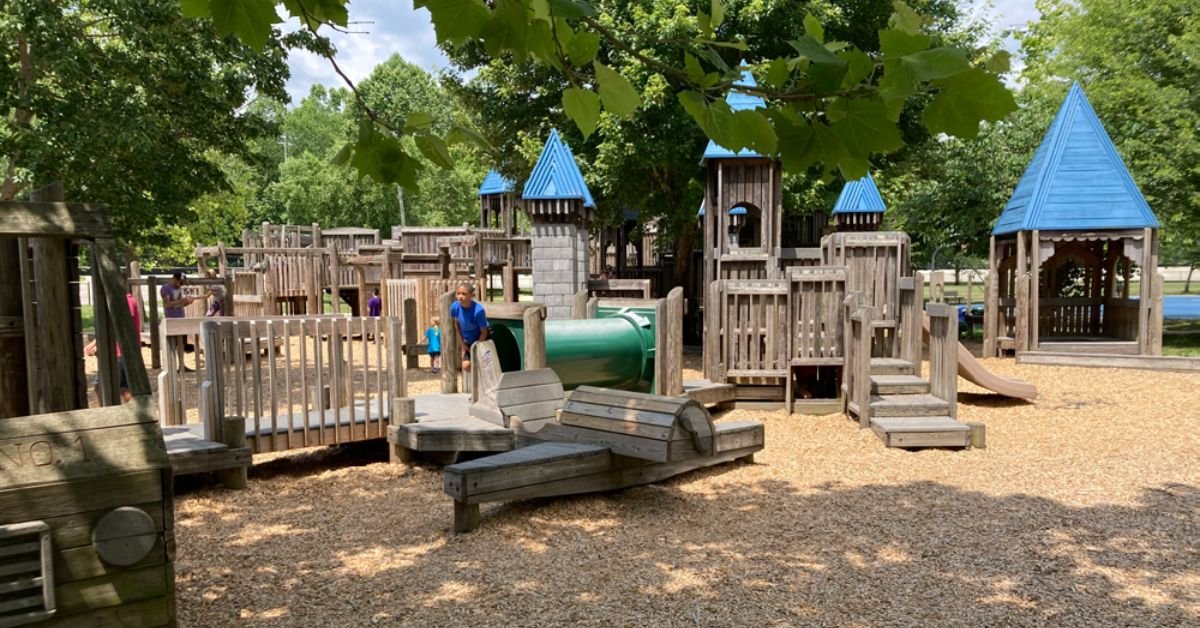
When the original wooden playground was constructed in 2001, it was the result of a community-led effort involving hundreds of volunteers, local nonprofits, and city staff. Over two decades later, years of natural wear, updated safety standards, and accessibility improvements made a complete rebuild necessary.
In August 2024, the community celebrated the grand reopening of the newly transformed playground. Gone are the deteriorating wooden structures, which had become outdated and increasingly difficult to maintain. They’ve been replaced by safer, more durable equipment built from recycled plastic lumber. This material mimics the warm, natural look of wood but eliminates splinters, rot, and frequent upkeep—providing a long-lasting, eco-friendly solution for active kids.
Design, Accessibility & Family Fun
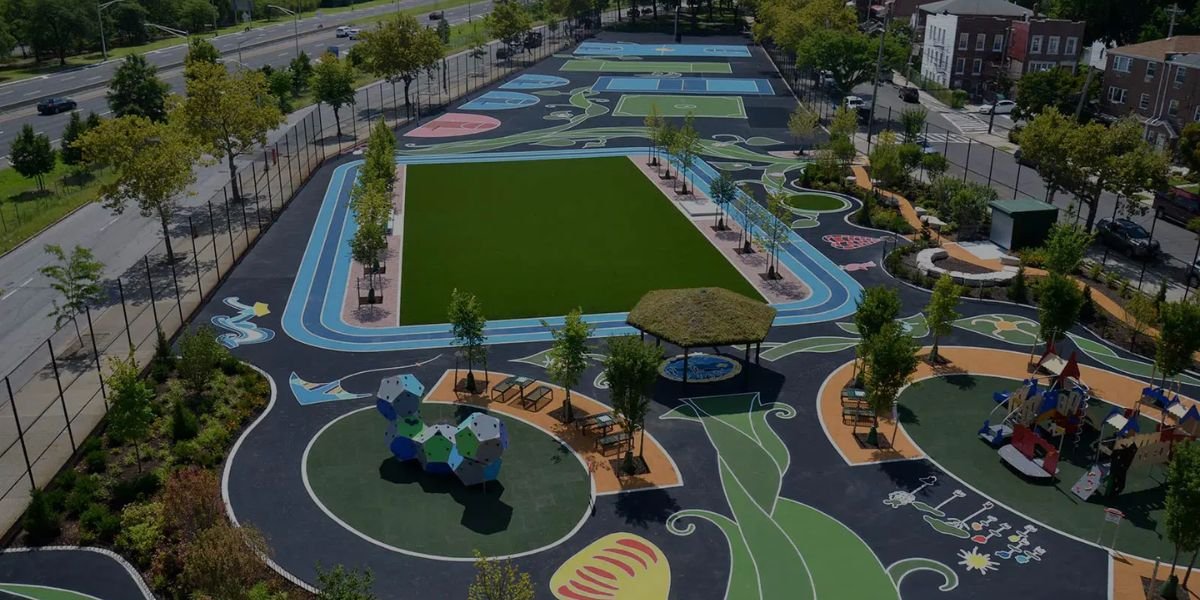
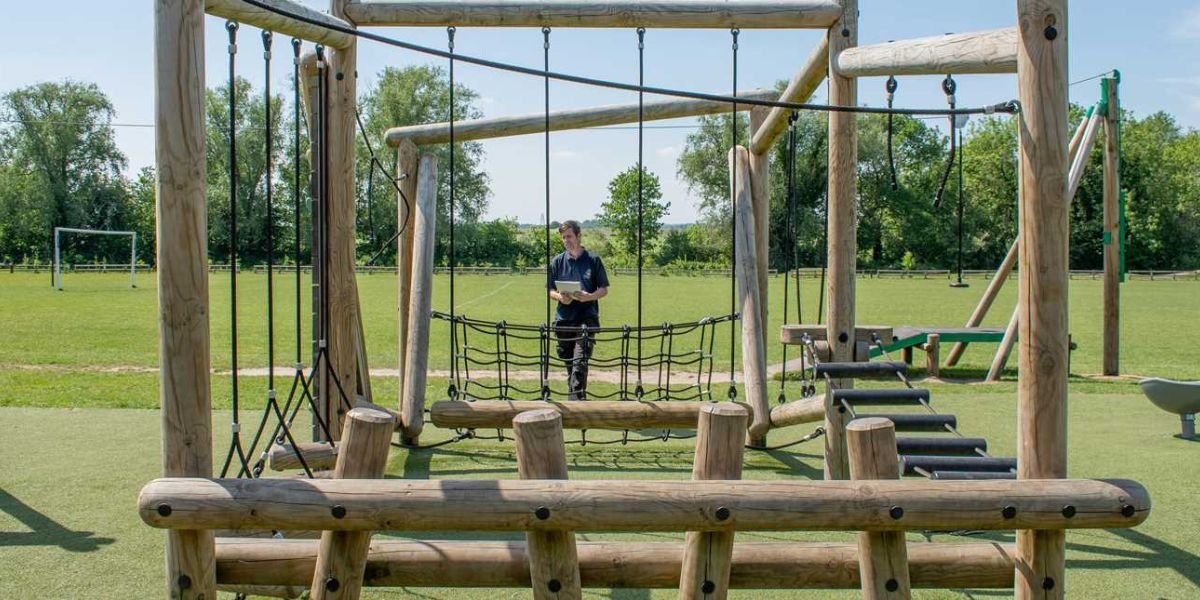
The new playground delivers a vibrant and inclusive experience for families. Carefully designed with children of all ages and abilities in mind, the area includes a variety of colorful slides, climbing towers, balance beams, swings, and imaginative play zones.
Key improvements include:
- Inclusive play structures that accommodate mobility devices and children with diverse physical and sensory needs.
- Rubberized surfacing throughout for safe landings and improved wheelchair access.
- Separate areas tailored to toddlers and older children to encourage developmentally appropriate play.
- Shaded spots beneath preserved mature trees, offering comfort on sunny days.
According to the city, preserving those trees was a key part of the planning process. They not only maintain Carrier Park’s natural charm but also provide essential relief during summer months—especially for caregivers supervising little ones.
Built on a Legacy of Community Engagement
Carrier Park has long been one of Asheville’s most cherished public spaces. What was once the site of the New Asheville Motor Speedway has, over time, transformed into a dynamic 50-acre recreational destination. The park features walking and biking trails, sports courts, picnic shelters, a velodrome, a lawn bowling area, and access to the French Broad River.
The original wooden playground was a symbol of community pride, built by volunteers in 2001 as part of an ambitious, citizen-driven redevelopment. The recent rebuild carries that legacy forward, combining community values with modern safety standards and thoughtful design.
Citywide Commitment to Playgrounds
The Carrier Park rebuild is part of a larger strategy from Asheville Parks & Recreation, which has been actively replacing aging playgrounds across the city. Since 2019, the department has completed renovations at nine park sites, including Weaver Park and the Burton Street Community Center. These projects are guided by a commitment to equity, safety, accessibility, and environmental stewardship.
City officials have emphasized the importance of investing in places where children can play, grow, and connect with their communities. High-quality public play spaces are essential for physical health, social development, and mental well-being. The updated Carrier Park playground not only meets these needs—it sets a new standard.
Quick Turnaround with Minimal Disruption
To minimize impact on families who regularly use the space, the city managed the construction timeline carefully. The old structure was closed in June 2024, and work was completed in just a few months, allowing children and families to return to play before the end of summer.
Much like the original construction, this rebuild was supported by strong community input and collaboration between local contractors and city staff. The result is a playground that reflects both professional planning and the spirit of the neighborhood it serves.
Safety, Sustainability, and Universal Design
Every aspect of the redesign prioritizes safety, accessibility, and environmental responsibility. Recycled materials and efficient construction practices help reduce the city’s ecological footprint, while rubber safety surfacing, updated fall zones, and impact-tested equipment ensure the site complies with current safety standards.
The entire site is ADA-compliant, with wide, smooth surfaces for strollers and wheelchairs. This commitment to universal design ensures that every child—regardless of ability—can participate fully in play. Asheville’s effort to create all-abilities playgrounds is part of a growing trend toward inclusive public spaces, and Carrier Park now stands as one of its flagship examples.
To explore the full scope of the playground transformation, visit the official project page on the City of Asheville’s website.
Looking Ahead
The new Carrier Park playground is already being seen as a model for future projects. Its success demonstrates that community-driven design, sustainable materials, and inclusive features can come together to create spaces that truly serve everyone.
As Asheville continues its mission to renovate or replace additional playgrounds in the coming years, Carrier Park’s transformation offers inspiration and a clear direction. It’s a bold investment in the well-being of children and families—and a powerful reminder that public spaces, when thoughtfully planned and lovingly built, can become the heart of a community.