Asheville, NC – Jones Park has long been a staple of the Asheville community, cherished for its lush greenery and peaceful atmosphere. But over the past few months, the park has undergone a major transformation, sparking both excitement and curiosity among locals. Thanks to ongoing renovation efforts aimed at revitalizing the park, visitors can now experience an updated, modernized space designed to offer even more enjoyment and utility.
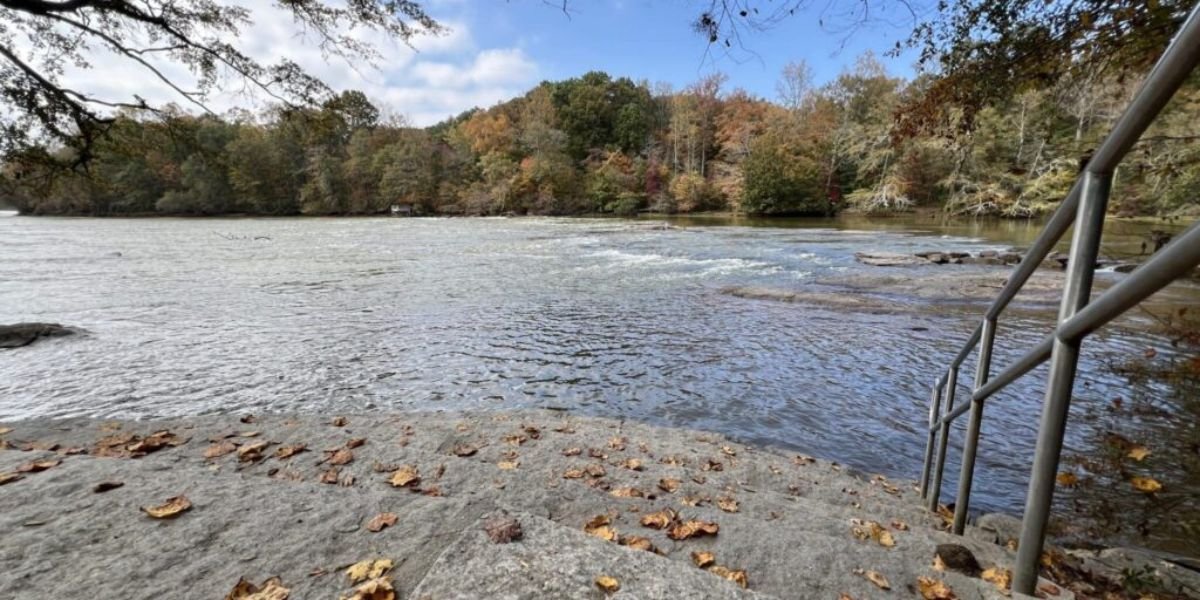
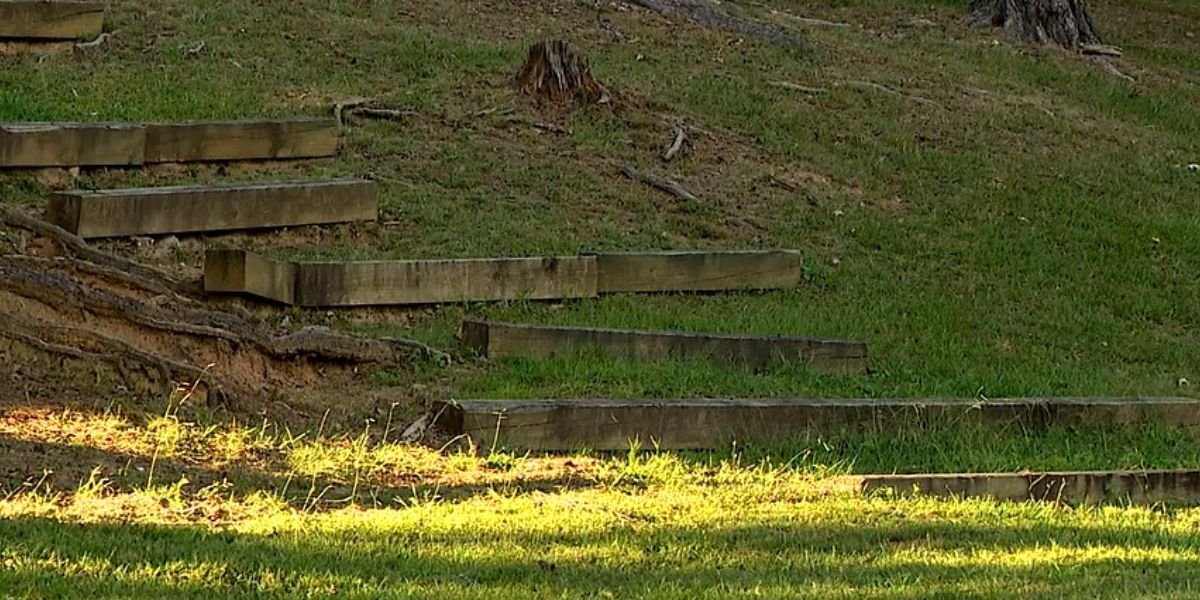
In this article, we take a closer look at the stunning before-and-after photos of Jones Park’s transformation, showcasing the changes that have revitalized this beloved community hub.
The Vision for a Revitalized Park
The renovations at Jones Park were not just about adding new features; they were aimed at creating a more accessible, sustainable, and inclusive park for people of all ages and backgrounds. City planners worked closely with community members, local artists, and environmental experts to design a space that balances modern amenities with the park’s original charm.
From new walking paths and seating areas to improved landscaping and eco-friendly features, Jones Park now boasts a blend of innovation and tradition. The revitalization project was funded through a combination of local government funds, grants, and donations from local businesses and community members.
Before: A Tired but Beloved Green Space
Before the renovations, Jones Park was a classic example of a park in need of some TLC. The park, though still popular with families and dog walkers, had some areas showing signs of age. Here’s a look at the park’s state prior to the overhaul:
- Aging Infrastructure – The walking paths were cracked and uneven, making it difficult for some visitors to navigate the space. Some areas had poor lighting, which made evening visits less inviting.
- Limited Seating – Though there were a few benches scattered throughout the park, there were not enough seating options for the increasing number of park-goers. Many people were left to sit on the grass or at the edges of playground equipment.
- Underused Green Spaces – Some of the park’s vast green areas were underutilized, with patches of overgrown grass and limited landscaping. These areas were not conducive to picnics, gatherings, or relaxation.
- Outdated Play Equipment – The playground equipment, though still functional, was outdated and lacked the modern features and safety standards expected from today’s park amenities.
After: A Modern, Eco-Friendly Community Hub
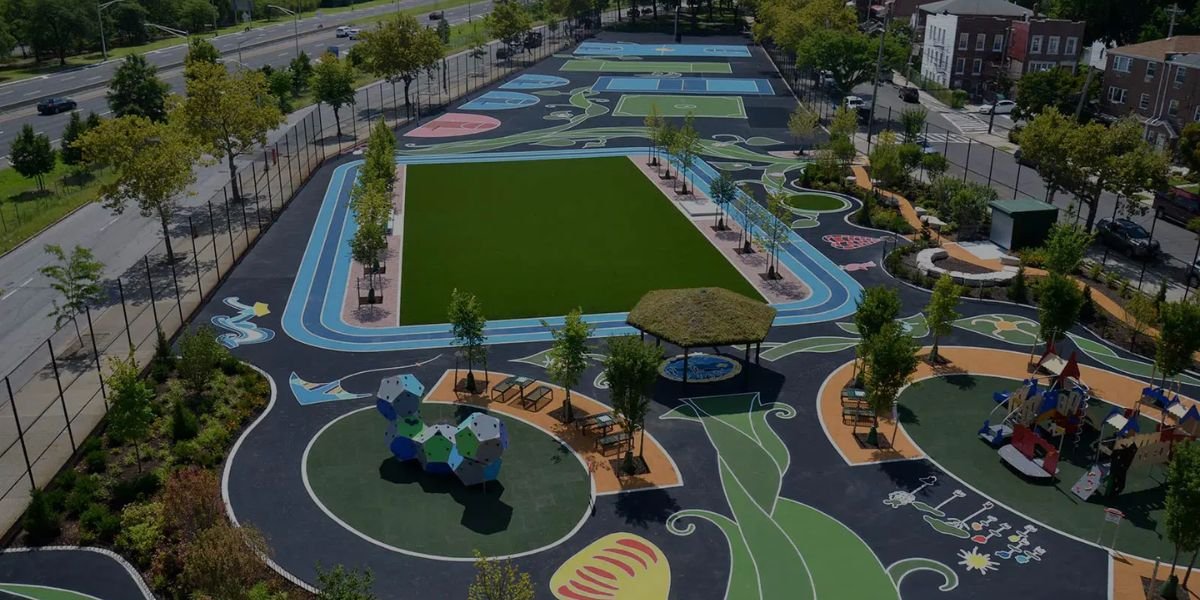
Thanks to the renovation project, Jones Park now feels like an entirely new place. Here’s a breakdown of the most significant changes, captured in before-and-after photos:
- Before: Cracked and uneven paths limited accessibility for people with disabilities or strollers.
- After: The walking paths have been completely resurfaced with smooth, ADA-compliant materials, making the park more accessible for everyone. New signage has been added to guide visitors through the park.
Improved Walkways and Accessibility
- Before: There were just a few benches scattered around, leaving many visitors without seating options.
- After: The park now boasts multiple seating areas, including picnic tables, shaded lounge chairs, and outdoor living rooms designed to encourage social gatherings and relaxation.
More Seating and Social Spaces
- Before: Some areas of the park were overgrown with weeds, limiting their use for picnics or relaxation.
- After: The renovation introduced lush landscaping, including native plants and trees, which have enhanced the park’s beauty and sustainability. New garden spaces are perfect for small community events or quiet time.
Revitalized Green Spaces
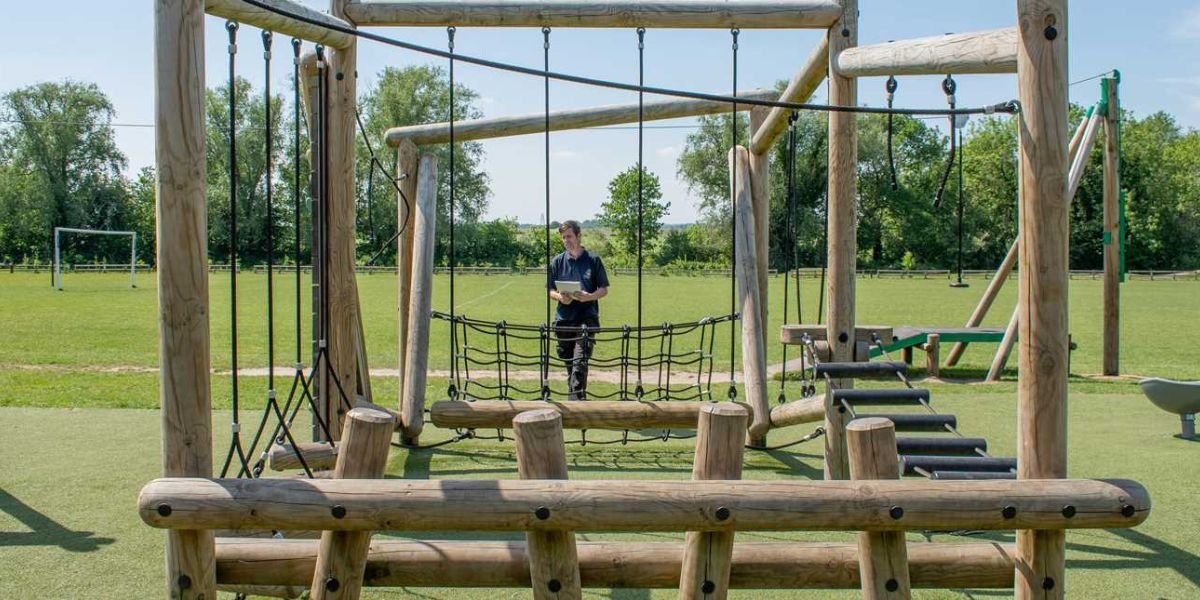
- Before: The playground was outdated and lacked modern safety features, with old equipment that was showing signs of wear.
- After: A new state-of-the-art playground has been installed with modern swings, slides, climbing structures, and sensory play areas. The new equipment meets the latest safety standards, ensuring children can play freely and safely.
Updated Play Equipment for Children
- Before: The park’s energy use and waste management were not as environmentally conscious.
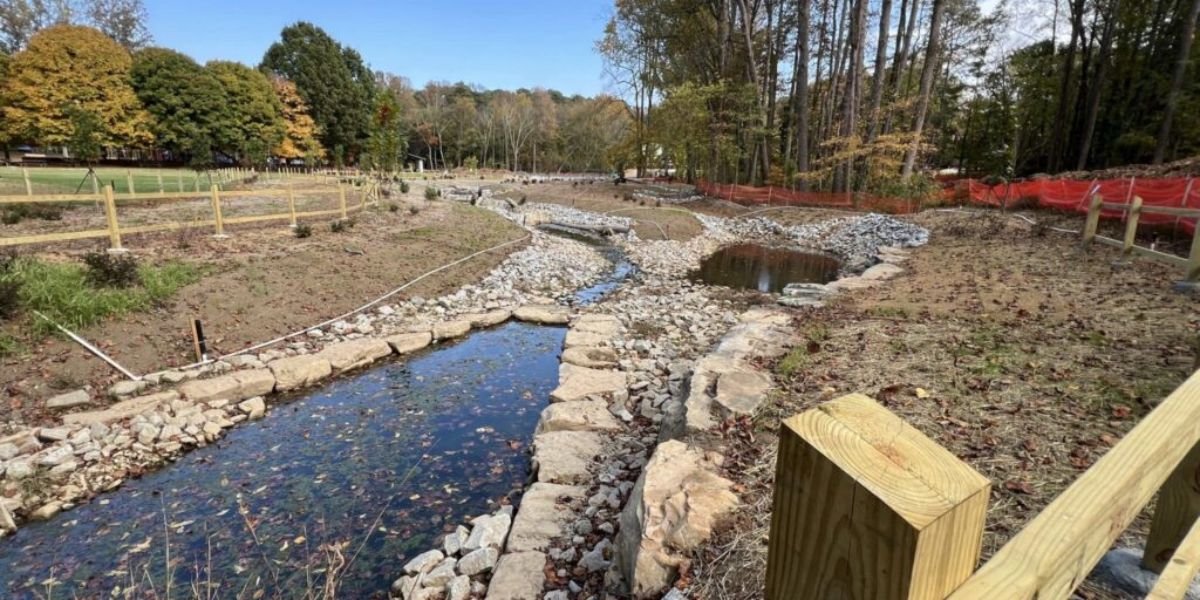
- After: Solar-powered lights have been installed throughout the park, and new recycling stations have been added to promote sustainability. The renovation also incorporated rainwater harvesting systems to irrigate the park’s green spaces.
Eco-Friendly and Sustainable Features
The Community Impact of the Transformation
The transformation of Jones Park isn’t just about the physical changes; it’s about the positive impact on the community. Many locals have expressed how the upgrades have created a stronger sense of community, bringing people together in new ways. Families, seniors, and young professionals alike are now able to enjoy a variety of activities in a more welcoming and functional space.
The increased accessibility also means that people with disabilities and parents with young children can now enjoy the park without barriers. Furthermore, the eco-friendly updates have made Jones Park a model for sustainable urban spaces, setting an example for other parks in the city and beyond.
What’s Next for Jones Park?
While the transformation is impressive, the work doesn’t stop here. Plans for the future include adding interactive art installations, hosting community events, and exploring more sustainable practices to make the park even greener. Community input will continue to play a vital role in shaping the park’s future, ensuring it remains a space for all.
Conclusion: A Bright Future for Jones Park
The before-and-after photos of Jones Park’s transformation showcase just how much the park has evolved. From the installation of new walkways and play equipment to the emphasis on sustainability and community space, the park is now better equipped to serve Asheville’s growing population. Whether it’s a quiet stroll, a family picnic, or a community event, Jones Park is now a place where everyone can gather, connect, and enjoy the beauty of Asheville.
What’s your favorite new feature at Jones Park? Let us know in the comments below!