In the wake of natural disasters, cities often face the daunting task of rebuilding critical infrastructure while still meeting the everyday needs of residents. Asheville, North Carolina, is currently managing just such a challenge. After the devastation of Hurricane Helene, several of the city’s most beloved recreational areas—most notably the dog parks at Azalea Park and French Broad River Park—have been closed indefinitely due to significant flood damage. In response, the city has launched an innovative and community-driven solution: a pop-up dog park that provides a much-needed outlet for Asheville’s canine community while long-term repairs are underway.
A Timely and Creative Solution
The newly opened Riverbend Pop-Up Dog Park, located behind the Walmart on Bleachery Boulevard in East Asheville, is a temporary facility designed to fill the gap left by the loss of two major off-leash dog areas. With many Asheville residents relying on these parks for daily exercise and socialization for their pets, the sudden closures created a noticeable void in the city’s recreational landscape.
To prevent prolonged service gaps, the Asheville Parks & Recreation Department acted quickly. With financial support—including a $35,000 donation from HCA Healthcare—they transformed an underused parcel of land adjacent to the Swannanoa River Greenway into a functional, fenced, and fully accessible off-leash area. According to a report by WHQR, the project was designed with both urgency and long-term utility in mind.
Thoughtful Design with Daily Use in Mind
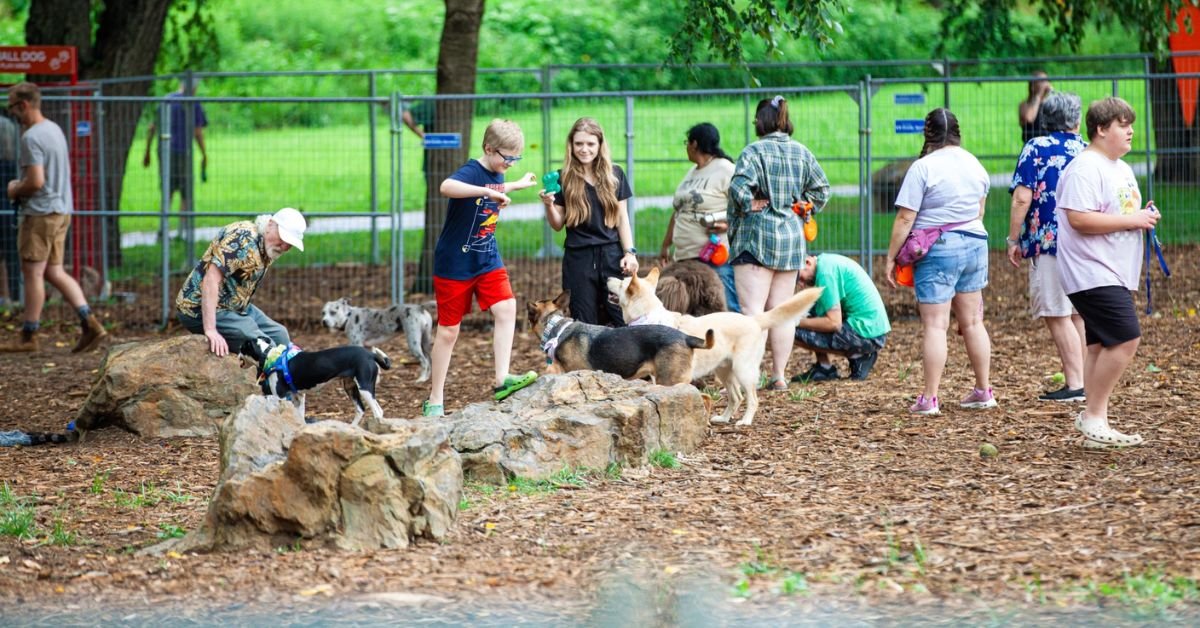
Despite its temporary nature, the Riverbend Dog Park includes many of the features that dog owners expect in a quality recreational space. It features two separate fenced areas—one for large dogs and another for smaller breeds—to ensure safety and comfort for all pets. The surface is mulched, providing a soft and easy-to-maintain ground covering, and shade trees offer relief from the sun during warmer days.
Importantly, the park is integrated into the Swannanoa River Greenway system, allowing for pedestrian and bicycle access. It’s open daily from 6:00 a.m. to 10:00 p.m., giving residents plenty of flexibility to visit before or after work. Early visitors have praised its ease of access, clean layout, and the fact that it restores a sense of community for dog owners who have felt the loss of their regular parks.
The Bigger Picture: Long-Term Repairs in Progress
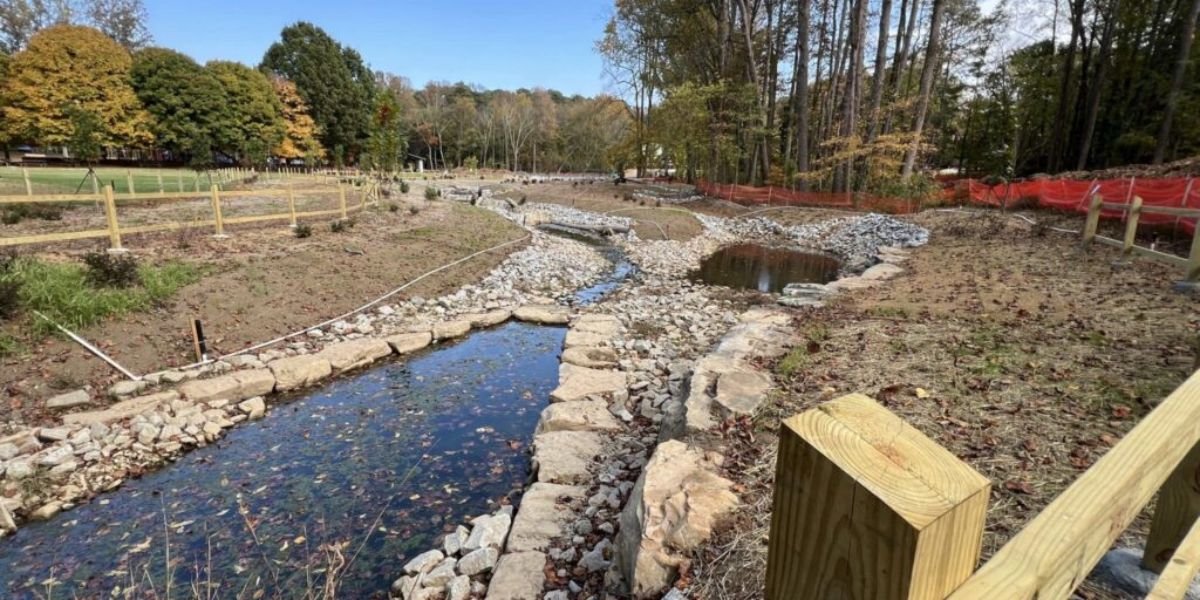
The reason behind this temporary facility underscores a larger and more complicated challenge. Hurricane Helene caused significant structural damage to river-adjacent parks, eroding banks, damaging fencing, and flooding infrastructure at Azalea Park and French Broad River Park. Officials have stated that the rebuilding process could take years, involving not only city funds but also FEMA assistance, environmental reviews, and engineering work.
In the meantime, Riverbend Dog Park serves as a stopgap measure—a way to meet community needs without waiting for lengthy bureaucratic processes to resolve. As noted in the WHQR report, city officials emphasized that rebuilding riverfront recreational areas is a high priority, but the complexity of federal disaster relief and permitting means short-term solutions are essential.
Public-Private Partnership in Action
The project’s success would not have been possible without community and corporate support. The $35,000 grant from HCA Healthcare played a crucial role in fast-tracking the park’s development. The collaboration between the city and private donors highlights the importance of public-private partnerships in times of crisis. Such alliances enable municipalities to respond nimbly when traditional funding methods may be too slow.
City Councilman Bo Hess lauded the effort as a smart and timely solution. “This isn’t just about a dog park,” Hess said. “It’s about responding to a community need quickly and effectively. It brings people together, and it shows Asheville can be flexible and resourceful when it matters most.”
Emotional and Social Benefits
Dog parks are more than recreational spaces—they are community centers for many residents. These parks provide opportunities for physical activity, social interaction, and even mental wellness. In times of stress or uncertainty—such as the aftermath of a major storm—having a place where both dogs and their humans can feel at ease is no small thing.
For dog owners displaced by the flooding or those seeking routine and normalcy, the Riverbend park has offered a reassuring sense of continuity. It reminds residents that, despite setbacks, the city is listening and responding.
What the Future Holds
Though Riverbend is a temporary installation, its success could shape future planning. City leaders haven’t ruled out maintaining the space beyond the reconstruction of the original parks. It could serve as an overflow option, a seasonal extension, or even become part of a broader greenway development plan.
For now, it stands as a symbol of adaptive urban planning—how a city can take an underutilized space and, through community engagement and efficient use of resources, create something functional, inclusive, and deeply appreciated.
In essence, Riverbend Dog Park reflects Asheville’s resilience and ingenuity. It’s more than just a temporary dog run—it’s a story of quick thinking, strong partnerships, and the belief that even in the face of long-term challenges, small wins can make a big difference.