Asheville’s parks are cherished spaces—offering peace, recreation, and natural beauty to both residents and visitors. But as these green spaces evolve, one environmentally conscious practice is reshaping the way public landscapes are managed: native planting. While native planting in Asheville parks promotes sustainability, it also comes with a growing set of rules and guidelines designed to protect local ecosystems and ensure responsible public use.
Understanding the rules around native planting is essential—not just for city officials and park staff, but for volunteers, landscape contractors, and everyday parkgoers.
What Is Native Planting?
Native planting refers to the use of plants that are indigenous to the local region. In Asheville, that means species naturally found in the Southern Appalachian Mountains. These include:
- Mountain Laurel
- Eastern Hemlock
- Purple Coneflower
- Joe-Pye Weed
- Wild Columbine
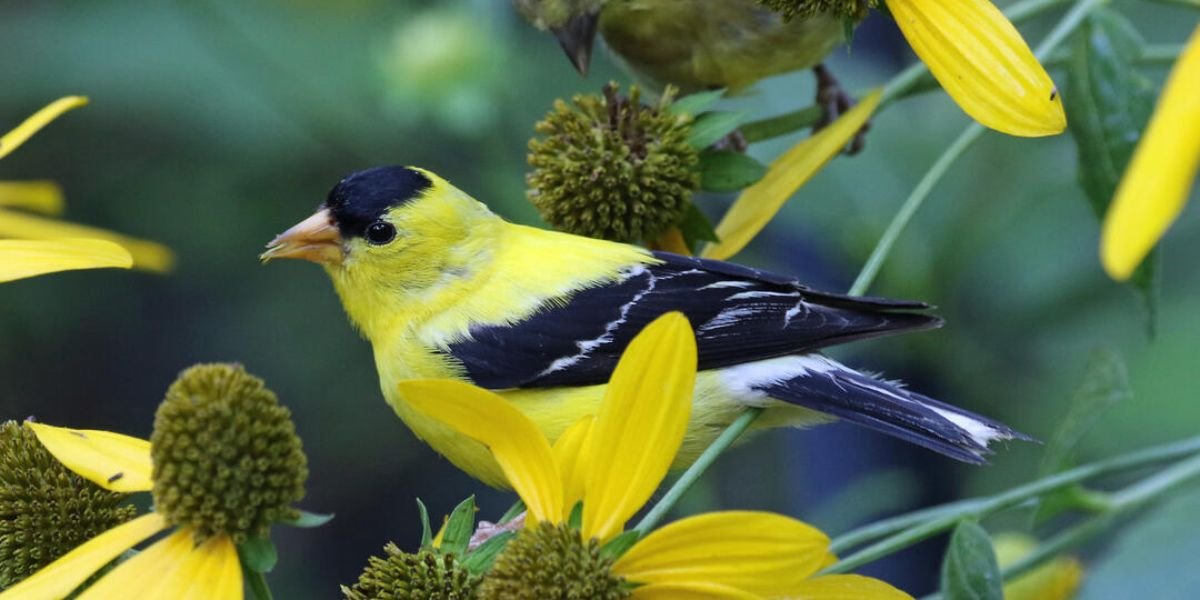
These plants are more resilient, require less maintenance, and support local wildlife—especially pollinators and birds.
Why Are There Rules for Native Planting?
While planting native species might seem straightforward, it must be regulated to ensure:
- Protection of rare or endangered species
- Prevention of accidental introduction of invasive plants
- Consistency in public park design and use
- Preservation of viewsheds, walking paths, and public access
As such, native planting isn’t just about ecology—it’s about managing public resources fairly, safely, and efficiently.
Key Guidelines for Native Planting in Asheville Parks
Here are some core rules and best practices that guide native planting efforts in Asheville’s public parks:
1. Approval Required for Public Projects
Any landscaping or planting on public land—whether by an individual, community group, or nonprofit—must be approved by the City of Asheville Parks & Recreation Department. Unauthorized planting is prohibited.
2. Use Verified Native Species
Only plants that are recognized as native to Western North Carolina should be used. The Asheville Botanical Garden and NC Native Plant Society maintain lists of approved species.
3. No Collection from the Wild
It is strictly against city rules to dig up native plants from public parks, forests, or trails. All native plants used for park installations must be nursery-grown or cultivated responsibly.
4. Avoid Invasives at All Costs
Some well-known ornamental plants (like English ivy, Japanese honeysuckle, or Bradford pear) are banned from use in Asheville parks. These invasives can quickly overtake native ecosystems.
5. Follow Landscape Design Guidelines
Native planting must still follow park design rules:
- Plants cannot block pathways, signage, or accessibility features.
- Tall plants (over 3 ft) must be placed with consideration to sight lines and safety.
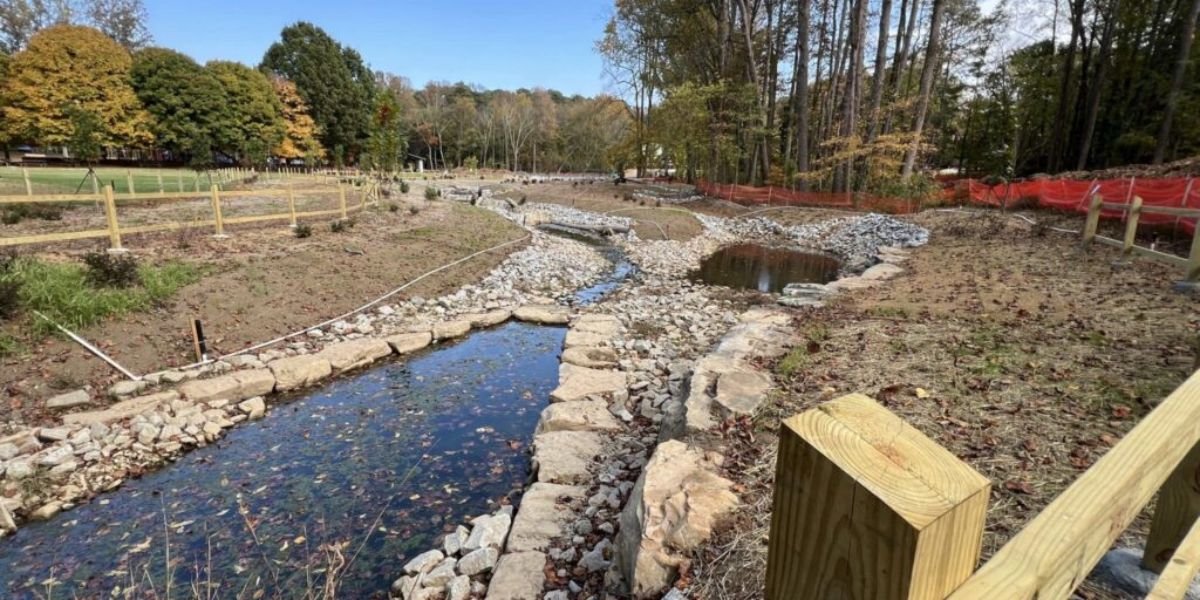
- Rain gardens and bioswales must be professionally designed if integrated into public spaces.
6. No Chemicals or Fertilizers Without Approval
Native plants typically require no synthetic inputs. However, any use of fertilizers or herbicides must be approved in advance and be environmentally safe (e.g., OMRI-listed).
7. Seasonal Maintenance Required
Native doesn’t mean “no-maintenance.” Rules require that all native plant beds in parks be monitored, weeded, and pruned seasonally. Dead or diseased plants must be removed promptly.
Responsibilities of Volunteers and Community Groups
Asheville encourages community participation through programs like “Adopt-a-Park” or GreenWorks volunteer days, but with that privilege comes responsibility. Any group that installs or manages native planting areas must:
- Submit a planting and maintenance plan in advance
- Use only approved native species
- Report seasonal updates to the Parks Department
- Keep planting zones clean and safe for public use
Educating the Public
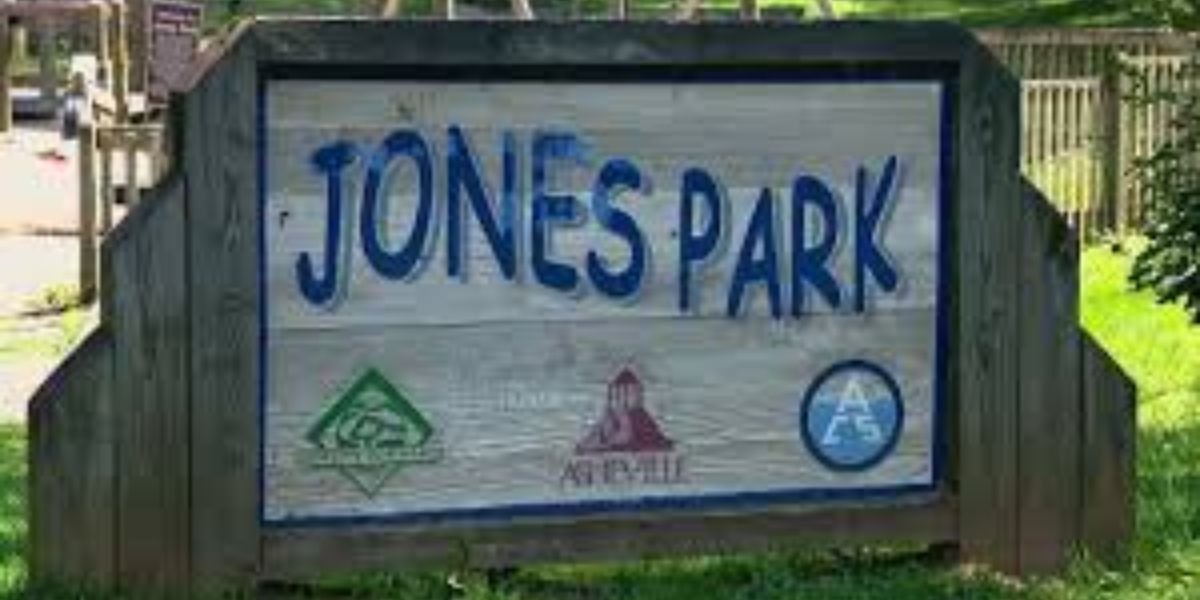
Many of Asheville’s parks now include educational signage explaining the purpose of native planting areas. These signs often display:
- The names of native species
- Benefits to pollinators and wildlife
- How the area is being maintained
- Contact info for volunteer programs
Public education helps reduce accidental damage (e.g., trampling or picking plants) and encourages greater stewardship of shared green spaces.
Enforcement and Fines
Violating planting rules in public parks—such as removing plants, introducing invasives, or applying chemicals—can result in:
- Verbal and written warnings
- Removal from volunteer programs
- Fines and legal penalties in extreme cases
These rules aren’t meant to discourage participation, but to protect Asheville’s natural heritage and ensure that native planting continues to thrive.
Why It Matters
Native planting in Asheville parks is more than an environmental trend—it’s a strategy for resilience, education, and community connection. With proper rules in place, these green spaces remain beautiful, functional, and ecologically sound for generations to come.
Whether you’re a gardener, volunteer, or everyday park visitor, understanding the guidelines helps you contribute meaningfully to Asheville’s sustainability goals.