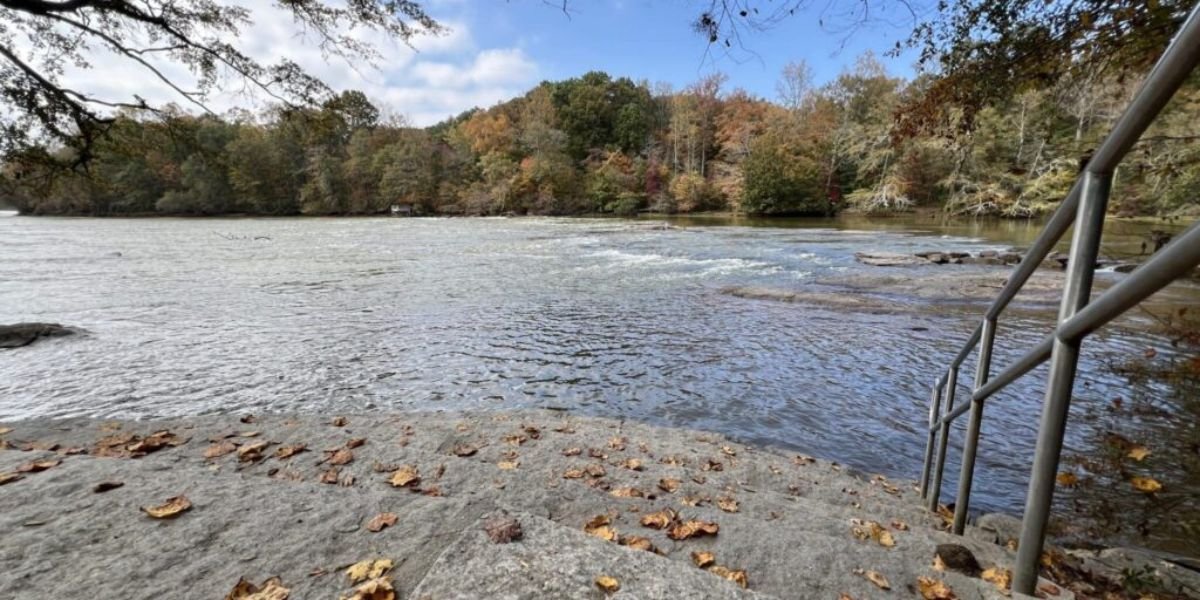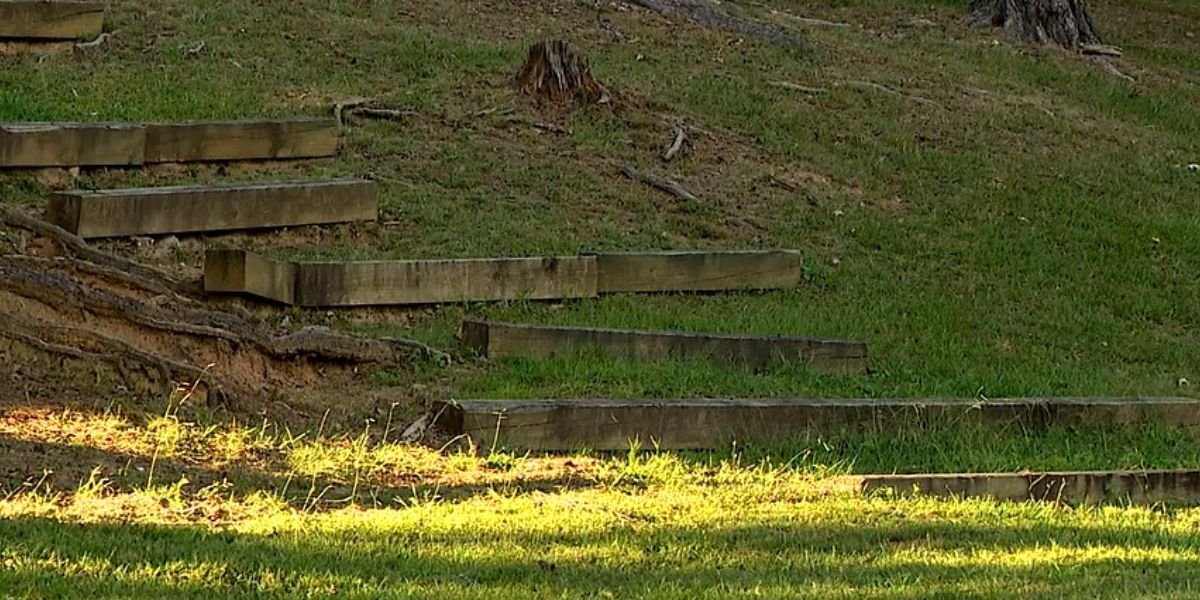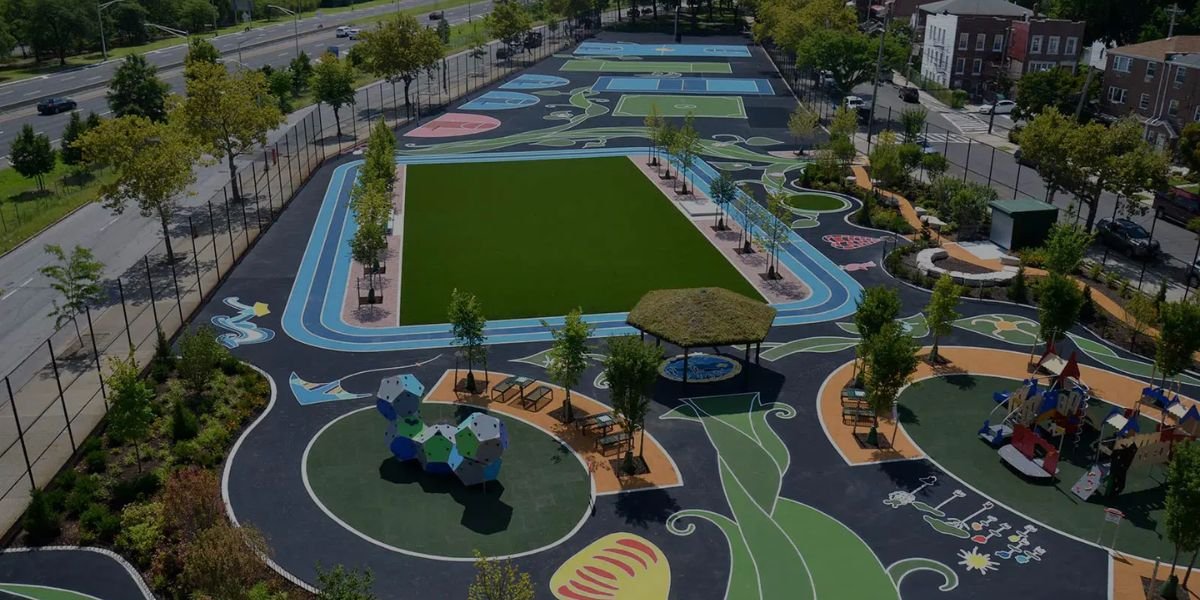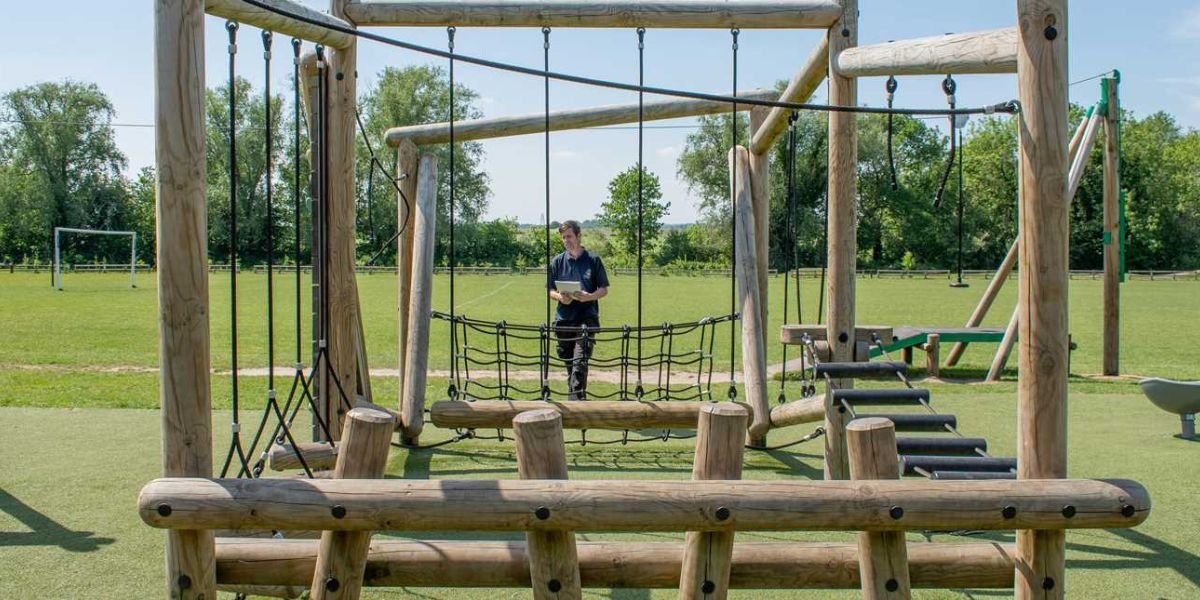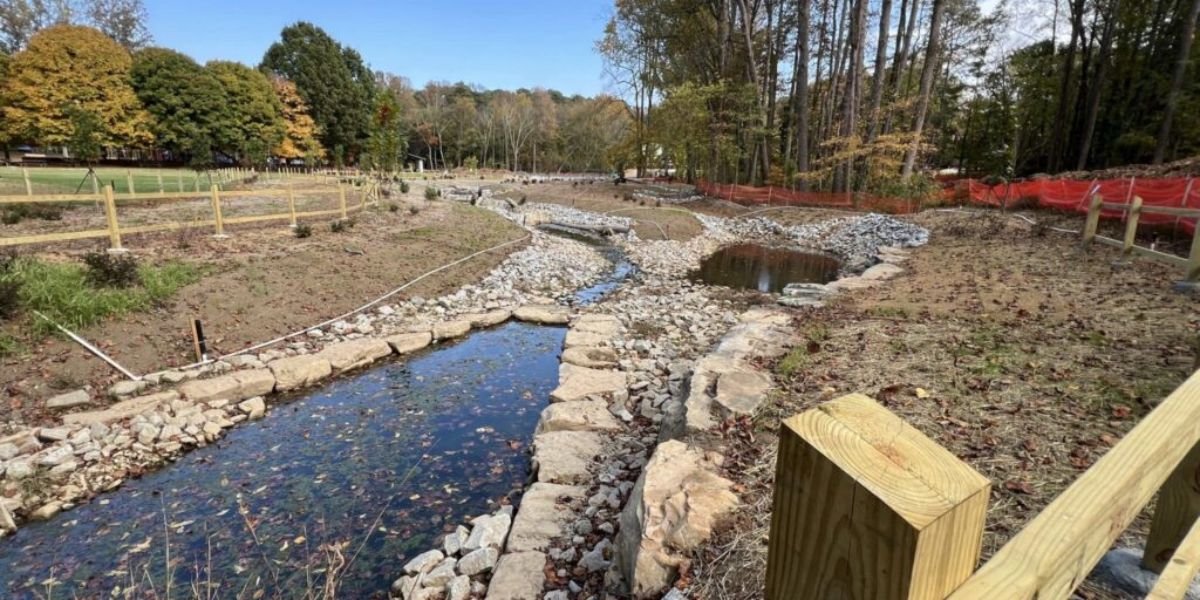
Asheville, NC – As Jones Park continues its long-awaited renovation, local residents are asking a vital question: where exactly is the money going? The park’s rebuild has been one of Asheville’s most anticipated projects, promising new trails, eco-friendly upgrades, and safer recreation areas. But as construction fences stay up and costs rise, many in the community are demanding transparency about how the funding is being used.
This article takes a closer look at the financial breakdown of the Jones Park Improvement Project, including where the money comes from, how it’s being spent, and why certain costs have drawn public attention.
Where the Funding Comes From
The Jones Park improvement plan is a jointly funded initiative between the City of Asheville, local businesses, and community grants. According to officials from the Asheville Parks and Recreation Department, the total project budget is approximately $4.2 million.
The funding sources include:
- $2.5 million from the city’s capital improvement fund.
- $1.2 million from state environmental and infrastructure grants.
- $300,000 raised through private donors and corporate sponsorships.
- $200,000 from community crowdfunding campaigns and local non-profit support.
This combination of public and private funding highlights how community-driven investment can make large-scale public projects possible. However, it also raises questions about oversight and accountability when multiple entities are involved.
Major Expense Areas
Breaking down the spending helps the community understand why such a large budget is required. Based on official project reports and contractor estimates, the funds are distributed across six major areas:
- Infrastructure and Safety Upgrades (35%)
This includes rebuilding walking paths, installing new lighting, drainage improvements, and renovating playground areas to meet safety standards. - Sustainability and Eco-Friendly Features (20%)
Funds are allocated for solar lighting, water-efficient irrigation systems, and the creation of native plant gardens to reduce long-term maintenance costs. - Public Amenities (15%)
These improvements cover benches, restrooms, bike racks, and picnic shelters — all designed to make the park more accessible and family-friendly. - Community Art and Aesthetic Enhancements (10%)
A portion of the budget goes toward art installations, murals, and landscaping meant to enhance the park’s cultural and visual appeal. - Labor and Contractor Costs (15%)
Covering local construction crews, engineering teams, and project management fees. The city has prioritized hiring local labor, ensuring that much of the money stays within the Asheville economy. - Contingency and Future Maintenance Fund (5%)
A small percentage is set aside to handle unexpected costs or future repairs — a standard practice for public infrastructure projects.
Why Transparency Matters
Local residents have voiced concerns about whether all this funding truly reaches its intended goals. Transparency remains one of the community’s biggest priorities. Public accountability sessions, hosted by the Asheville Parks Department, have aimed to answer these questions by providing open access to expenditure reports and progress updates.
“People deserve to know how their tax dollars are being used,” said Linda Weaver, a member of the Jones Park Neighborhood Committee. “We love seeing improvements, but we also need to make sure no part of the budget is being wasted or mismanaged.”
The city has responded by launching an online project tracker, where residents can view updates, progress photos, and financial summaries in real time. This open-data approach has been praised by transparency advocates for encouraging citizen engagement and trust.
Balancing Vision with Cost Efficiency
One of the ongoing challenges has been maintaining a balance between ambition and budget discipline. While residents want new features and green technology, these improvements often come at a higher price. For example, installing solar-powered lights cost nearly 30% more upfront than traditional systems but are projected to save money over time.
Similarly, the decision to use locally sourced, sustainable materials increased initial costs but supports both environmental and economic sustainability. “It’s about building something that lasts, not just something that looks good for a few years,” explained Mark Delaney, the city’s project engineer.
Community Contributions and Volunteer Efforts
Beyond government spending, the community has played a significant role in keeping costs manageable. Local volunteers have helped plant trees, clean up debris, and maintain small sections of the park.
Non-profit organizations like Friends of Jones Park have also hosted fundraising events, from 5K charity runs to art auctions, contributing thousands of dollars toward the improvement fund. These efforts demonstrate how grassroots participation can stretch public dollars further while strengthening community bonds.
Looking Ahead: The Path to Completion
The Jones Park rebuild is currently in Phase 3 of 4, with completion expected by spring 2026. The final phase will focus on trail restoration, accessibility improvements, and new signage that highlights the park’s history and environmental importance.
City officials have confirmed that an additional $350,000 grant application is pending to support future maintenance and sustainability initiatives. If approved, this funding will ensure that the improvements made today continue to serve the community for years to come.
Conclusion: Building Trust Through Transparency
Asheville’s Jones Park project is more than a facelift — it’s a reflection of how a city invests in its people and environment. While questions about spending are natural, the open flow of information between city officials and residents has set a positive example for future public works.
Every dollar spent is an opportunity to build trust, improve quality of life, and enhance the city’s natural spaces. If Asheville continues prioritizing transparency and sustainability, Jones Park could become a model for how community-backed projects should be managed nationwide.
What do you think about how Jones Park’s funds are being used? Share your opinion in the comments below.