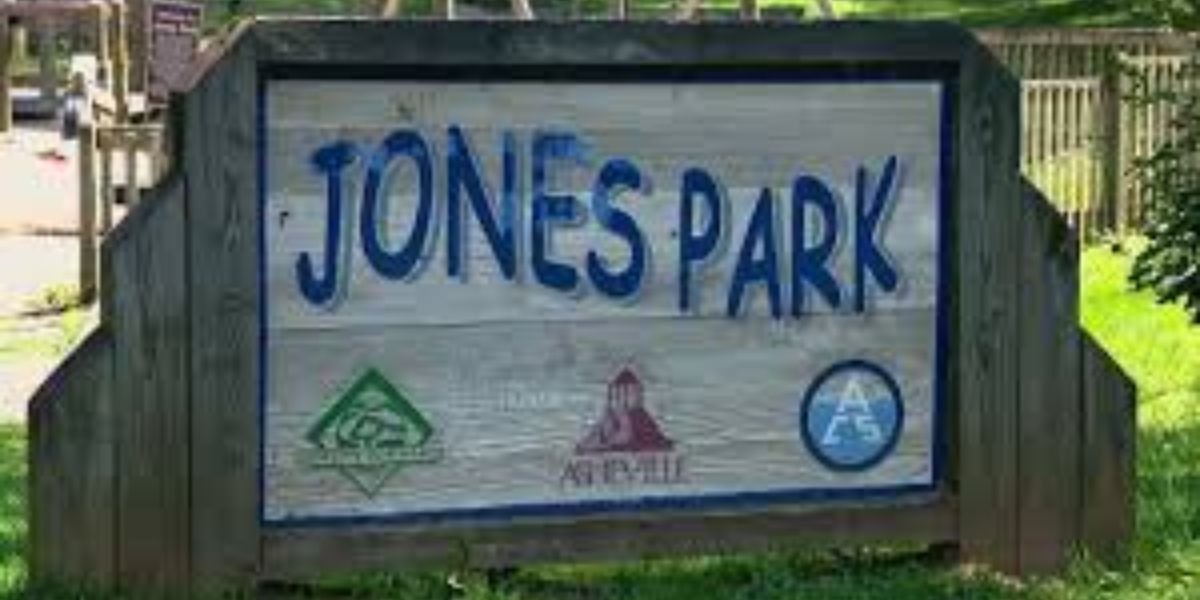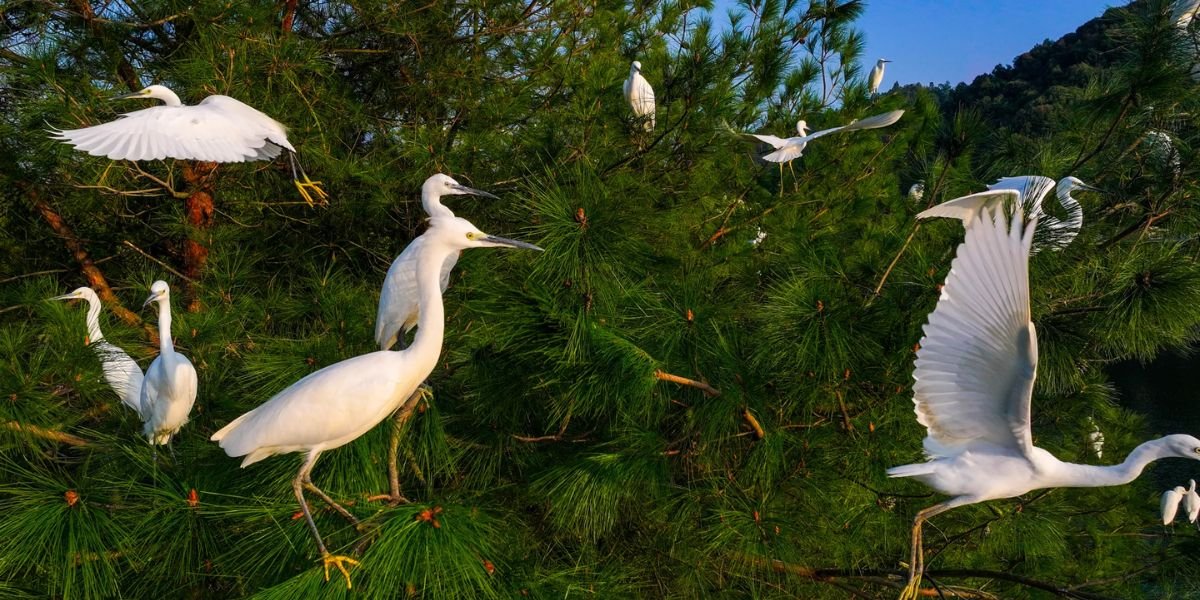
The parks of Asheville are more than just picnic spots and walking trails. They are home to a vibrant ecosystem of plants, insects, and animals, including dozens of species of local birds. From the familiar cardinals and blue jays to migratory warblers that stop by seasonally, birds are an essential part of the region’s biodiversity. Protecting them is not only about conservation but also about preserving the natural identity of Asheville’s green spaces. With increased urban development, the city and its residents are now focusing on ways to ensure local birds continue to thrive in places like Jones Park and beyond.
Why Birds Matter in Urban Parks
Birds play a crucial role in maintaining ecological balance. They help control pests, spread seeds, and even serve as indicators of environmental health. In Asheville parks, bird populations also add to the visitor experience — birdwatchers, families, and casual strollers alike often stop to admire their beauty and behavior. Without a healthy bird population, the entire ecosystem can suffer. A decline in bird species often signals broader environmental issues such as habitat loss, pollution, or climate change.
Challenges Facing Local Birds
Despite the natural beauty of Asheville, local birds face growing challenges:
- Habitat Loss: Expanding neighborhoods and construction reduce nesting areas and safe zones.
- Pollution: Litter, pesticides, and contaminated water sources harm bird health.
- Predation: Outdoor cats and invasive species put additional pressure on small bird populations.
- Climate Change: Shifts in seasonal patterns affect food availability and migration cycles.
Jones Park, along with other Asheville parks, has seen these pressures firsthand. Residents have noticed that certain species, like the eastern meadowlark, are less common than they were a decade ago.
Steps Taken by Asheville Parks
To address these issues, local park authorities and community groups are stepping up:
- Native Tree Planting Programs – Increasing the availability of shelter and food for nesting birds.
- Pollinator-Friendly Gardens – Planting native flowers to attract insects, which provide vital food sources.
- Habitat Zones – Creating areas within parks that are left wild, reducing human interference.
- Educational Campaigns – Teaching visitors simple steps like avoiding bird feeding with processed food or respecting nesting zones.
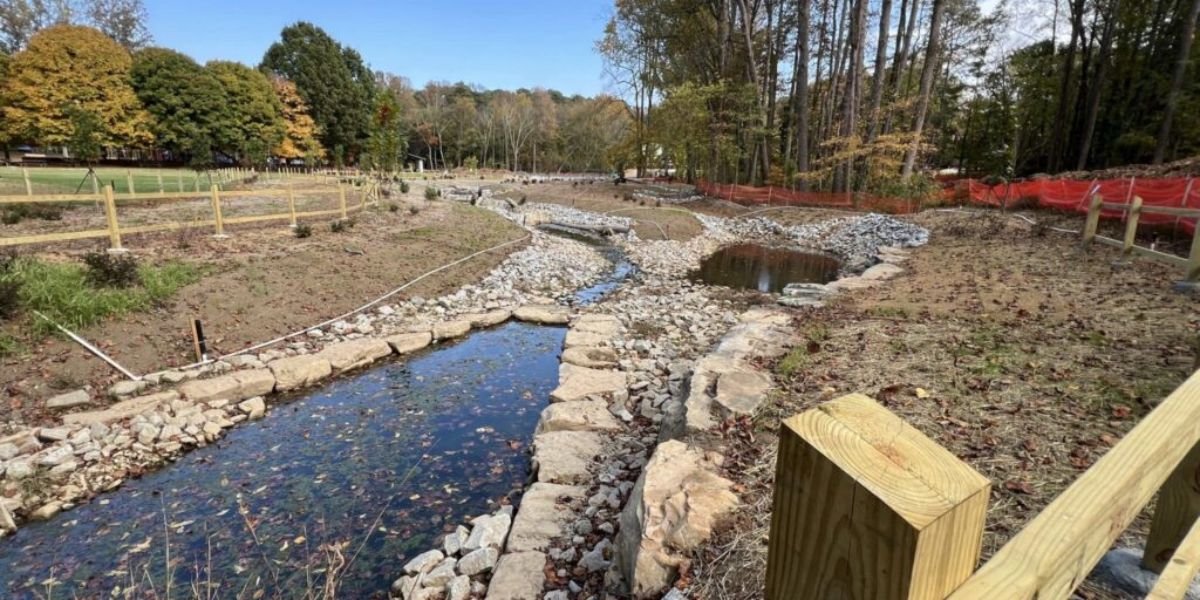
- Clean Water Initiatives – Ensuring ponds and streams within parks are maintained as healthy habitats.
Jones Park has already introduced new vegetation buffers around its walking trails, which provide safe havens for small birds and reduce disturbances during breeding seasons.
Community Role in Bird Protection
Protecting biodiversity is not just a government responsibility — the community has a powerful role to play. Residents can contribute by:
- Using bird-friendly feeders and avoiding harmful seeds or processed food.
- Keeping cats indoors or using outdoor enclosures to reduce bird predation.
- Participating in park clean-up drives to reduce litter that can harm wildlife.
- Joining local birdwatching groups, which often collect valuable data about species health and trends.
- Supporting conservation initiatives through donations or volunteering.
These small actions, when multiplied across hundreds of families, create a ripple effect that benefits Asheville’s entire bird population.
The Connection to Sustainability
The protection of local birds ties directly into Asheville’s sustainability goals. By investing in biodiversity, the city is ensuring its parks remain resilient and self-sustaining ecosystems. Healthy bird populations mean healthier plants, stronger pollination cycles, and a balanced food chain. This makes parks not only beautiful but also functional, benefiting both wildlife and human visitors.
Looking Ahead: Future Goals
Asheville aims to expand its efforts with more citizen science programs, where residents help track bird populations through apps and surveys. There are also discussions about setting up bird sanctuaries within larger parks to create long-term safe spaces. These initiatives are part of a broader vision to make Asheville a leader in urban biodiversity conservation.
Conclusion: Protecting More Than Just Birds
Protecting local birds is about more than preserving a single species. It’s about safeguarding the entire ecosystem that makes Asheville parks so unique. Every step taken — from planting a tree to educating children about wildlife — contributes to a stronger and more sustainable community. The new focus on biodiversity is a reminder that parks are not just recreational areas, but living ecosystems that need care and respect.
What birds have you spotted in Asheville’s parks recently? Share your experiences in the comments below!