Jones Park has taken another step toward becoming a model of sustainability by introducing smart irrigation sensors to manage its water usage. The move comes at a time when cities nationwide are grappling with rising water costs, drought concerns, and the need for more eco-friendly public spaces. By adopting this new technology, the park aims to reduce waste, cut costs, and promote a greener future for Asheville residents.
What Are Smart Irrigation Sensors?
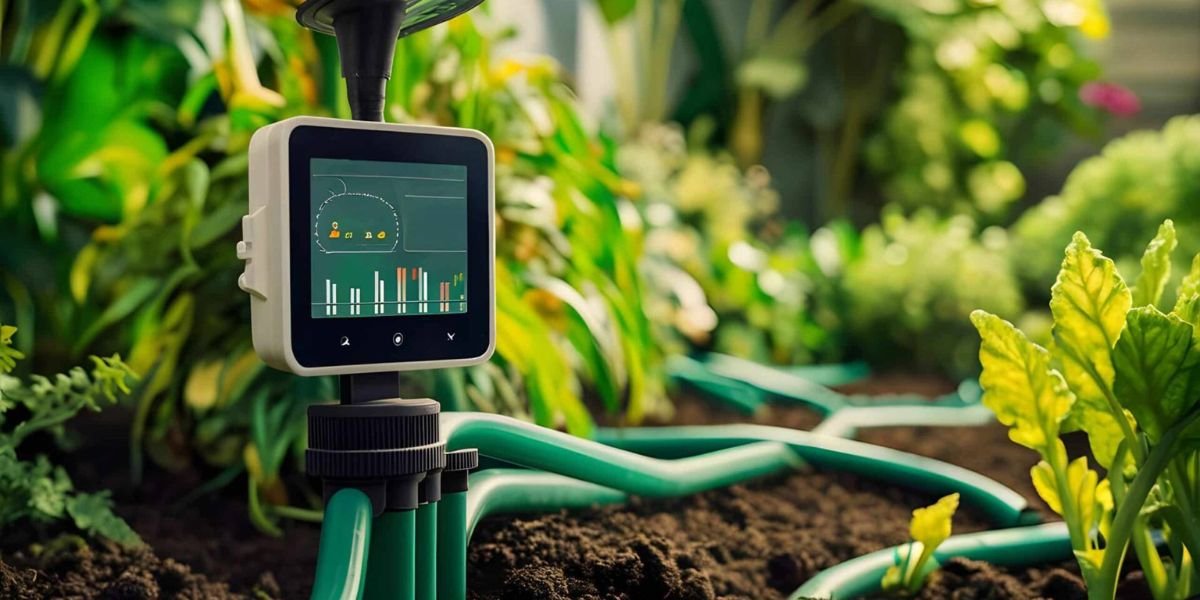
Smart irrigation sensors are advanced devices that monitor soil moisture, weather conditions, and water flow to determine the exact amount of water needed for plants and grass. Unlike traditional sprinkler systems, which water on a set schedule, these sensors ensure irrigation happens only when necessary.
Jones Park’s system uses a network of underground and above-ground sensors connected to a central controller. This allows park managers to track real-time soil data and adjust watering patterns accordingly. “We’re no longer guessing,” explained Mark Daniels, a city parks official. “The sensors tell us when the ground is dry enough to require water and when nature has already done the job.”
Why Jones Park Made the Change
Water conservation has been a growing concern in Asheville, especially as the city’s population expands and public spaces see increased use. Parks like Jones are major consumers of water, particularly during the hot summer months. By shifting to smart irrigation, officials expect to reduce water consumption by up to 30–40% annually.
The initiative also reflects Asheville’s commitment to sustainability. For years, the city has invested in green projects such as solar-powered lighting, expanded tree planting, and recycling programs. The smart irrigation project is the latest in a series of efforts to make Jones Park both environmentally friendly and cost-efficient.
Community Benefits Beyond Conservation
The benefits of smart irrigation go beyond just saving water. Residents who visit Jones Park will likely notice:
- Healthier landscapes: Plants receive consistent, appropriate hydration, reducing stress and improving growth.
- Lower maintenance costs: Less overwatering means fewer problems with disease, mold, and soil erosion.
- Improved visitor experience: Green, vibrant lawns and flowerbeds enhance the beauty of the park.
Local parents like Angela White, who often brings her children to Jones Park, have already expressed excitement. “It feels good knowing the park is greener in more ways than one,” she said. “My kids get to enjoy the outdoors, and I know the city is doing its part to protect the environment.”
The Technology Behind the Change
The sensors being used at Jones Park rely on wireless communication to send real-time data to the park’s control system. The system integrates with weather forecasts to avoid watering just before or after rain. If rainfall is expected, the system pauses irrigation automatically.
Additionally, the sensors adjust watering schedules for different zones of the park. For example, shaded areas need less water than sunny fields. This precision-based irrigation not only saves water but also ensures every part of the park thrives without waste.
Challenges and Costs of Implementation
While the benefits are clear, implementing smart irrigation systems isn’t without challenges. The upfront cost of installing sensors and control systems can be significant. However, city officials argue that the long-term savings in water bills and maintenance far outweigh the initial expense.
Some community members have also raised questions about system reliability. What happens if a sensor malfunctions? Park managers addressed this concern by noting that the system includes manual override controls and regular maintenance checks. “It’s a learning curve,” says Daniels, “but once fully integrated, the efficiency is undeniable.”
Part of a Larger Sustainability Vision
Jones Park’s irrigation project is not a standalone effort. It’s part of Asheville’s broader sustainability strategy, which includes:
- Expanding solar energy use in public spaces
- Planting more native trees and shrubs
- Reducing reliance on plastic and disposable items during park events
- Encouraging community participation in clean-up drives and green education programs
By investing in technology like smart irrigation, the city is signaling its commitment to future generations. It also provides a replicable model for other parks in the region to follow.
Conclusion: A Step Toward a Greener Future
The installation of smart irrigation sensors at Jones Park highlights Asheville’s role as a leader in sustainable community practices. While the move has sparked conversations about costs and logistics, the long-term gains in water savings, healthier landscapes, and reduced environmental impact are undeniable.
As more communities look for ways to balance recreation with responsibility, Jones Park’s example may serve as a blueprint for greener public spaces. For Asheville residents, it’s a reminder that innovation and tradition can work hand in hand to preserve the city’s natural beauty.
Do you think more parks should adopt smart irrigation systems? Share your thoughts in the comments below!