Asheville, NC – Parks are the beating heart of communities, offering spaces for recreation, relaxation, and connection with nature. As cities grow and environmental challenges become more pressing, there is increasing demand for cost-effective and sustainable solutions to maintain and improve public spaces. One promising approach is the use of smart materials—innovative building resources designed to be durable, eco-friendly, and budget-conscious. At Jones Park and beyond, these materials could redefine how green spaces are built and preserved.
What Are Smart Materials?
Smart materials are engineered to perform better than traditional construction options while minimizing environmental impact. These materials often include recycled content, advanced composites, and energy-efficient technologies. Unlike standard concrete, wood, or steel, smart materials are designed to last longer, reduce maintenance costs, and adapt to environmental conditions.
Examples include:
- Permeable pavements that allow rainwater to soak through, reducing flooding.
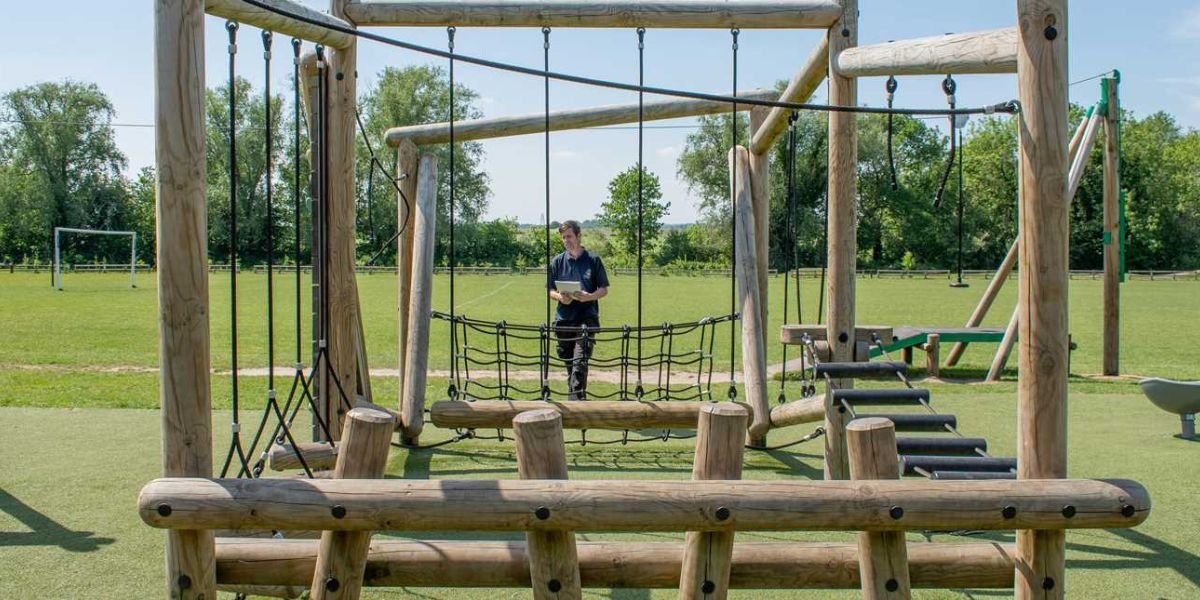
- Recycled plastic lumber, which replaces traditional wood for benches, decks, and play structures.
- Self-healing concrete that repairs small cracks on its own, extending infrastructure lifespan.
- Solar-powered lighting systems that cut down on energy use and utility costs.
These innovations don’t just save money; they also reduce a park’s overall carbon footprint.
Cost Benefits of Smart Materials
One of the strongest arguments for adopting smart materials is long-term cost savings. While the upfront investment may be higher, the reduced maintenance and replacement expenses make them more affordable over time. For instance, recycled plastic lumber doesn’t rot, splinter, or attract pests, meaning fewer repairs and replacements. Similarly, permeable pavements reduce the need for expensive stormwater infrastructure.
Local governments, often constrained by tight budgets, can stretch their resources further by investing in durable, low-maintenance options. This approach allows cities like Asheville to enhance parks without relying heavily on frequent tax hikes or emergency funding for repairs.
Environmental Advantages
Beyond financial savings, smart materials provide significant sustainability benefits. Traditional construction often relies on resource-heavy production, but smart alternatives help reduce waste and promote circular economy practices. For example:
- Using recycled glass in pathways keeps thousands of bottles out of landfills.
- Solar lighting reduces dependency on fossil fuels.
- Composite decking repurposes waste wood fibers and plastics.
By incorporating these solutions, parks can lower greenhouse gas emissions, conserve natural resources, and set an example for eco-friendly development.
Examples from Other Cities
Several cities across the United States are already embracing smart materials in public spaces. In Portland, Oregon, permeable pavements have been used in park pathways to improve stormwater management. Chicago has invested in recycled plastic benches and playgrounds, which require almost no maintenance. Even smaller towns are experimenting with solar-powered trash compactors that cut down on collection costs while keeping parks cleaner.
Asheville could learn from these examples, applying similar strategies at Jones Park to ensure it remains both beautiful and sustainable for future generations.
Challenges in Adopting Smart Materials
Despite their benefits, the transition to smart materials is not without challenges. Initial costs remain a barrier, as city budgets often prioritize short-term expenses over long-term investments. There is also a learning curve for maintenance teams, who may need training to handle unfamiliar materials. In some cases, suppliers for specific smart materials may not be readily available, raising procurement costs.
Community acceptance can also play a role. Residents accustomed to traditional aesthetics—like wooden benches or stone pathways—may resist changes that look or feel unfamiliar. Balancing innovation with community expectations is essential for successful adoption.
The Future of Smart Parks in Asheville
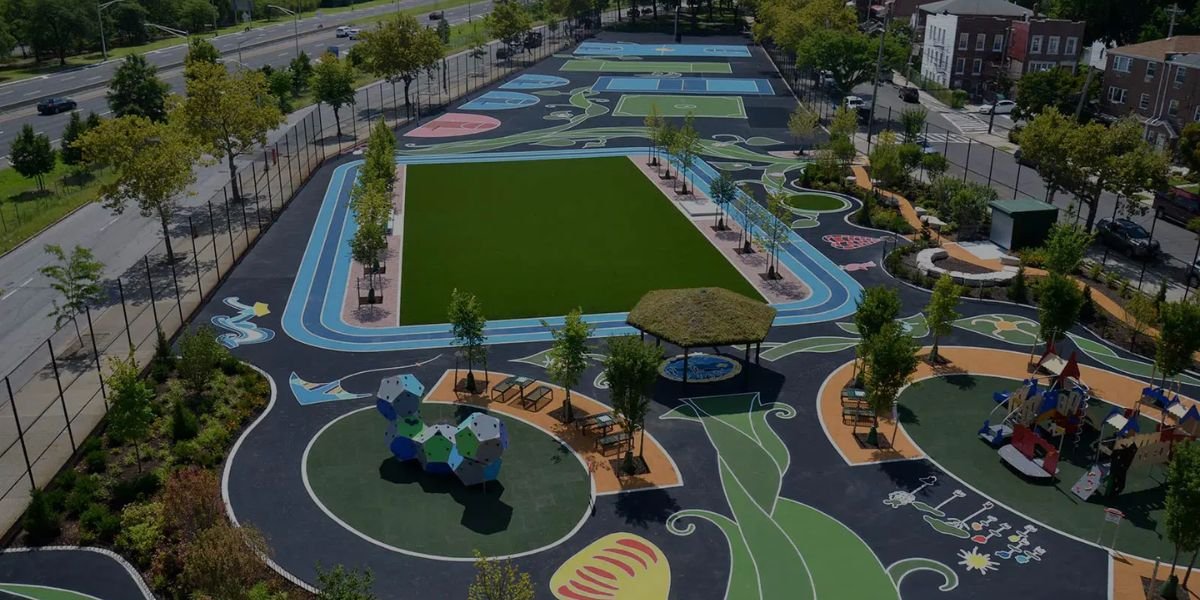
As Asheville continues to grow, incorporating smart materials into projects like Jones Park’s renovations could position the city as a leader in sustainable park design. Imagine playgrounds built from recycled composites, walking paths that absorb rainwater, and lighting powered entirely by renewable energy. These upgrades not only enhance visitor experience but also reflect Asheville’s commitment to sustainability.
Local partnerships could accelerate progress. Collaborating with universities, environmental groups, and private companies may unlock funding and innovation, making it easier to implement cost-effective, green solutions in parks across the city.
Conclusion: Building Greener, Smarter Parks
Smart materials represent a forward-thinking solution to the twin challenges of budget constraints and environmental responsibility. By investing in these innovative resources, Asheville and other cities can create parks that are not only enjoyable today but also sustainable for decades to come.
As Jones Park continues its journey of improvements, the adoption of smart materials could transform it into a model for modern park design—balancing cost savings, durability, and ecological stewardship.
Would you support the use of smart materials in your local parks? Share your views in the comments below!