Asheville, NC – When it comes to public spaces like Jones Park, one of the biggest challenges is deciding between regular upkeep and large-scale renovations. Both approaches require significant investment, but which delivers the most value to the community in the long run? This question has sparked debate among local officials, park-goers, and sustainability experts. While daily maintenance ensures safety and usability, major renovations often bring exciting upgrades and new features. Let’s explore the pros, cons, and real impact of each strategy.
The Value of Daily Maintenance
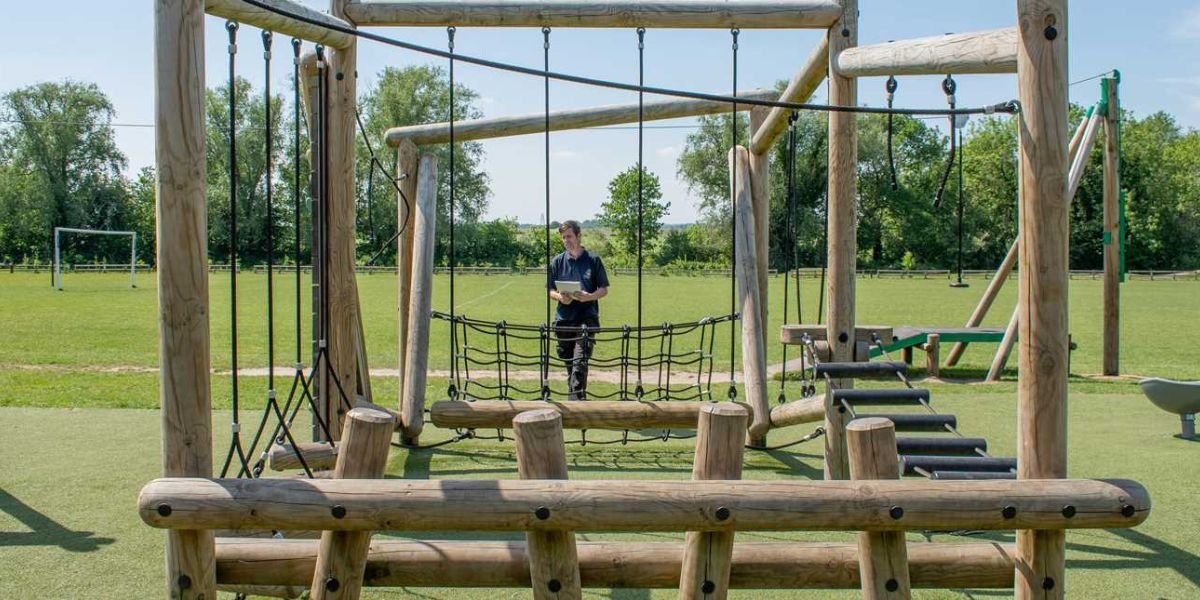
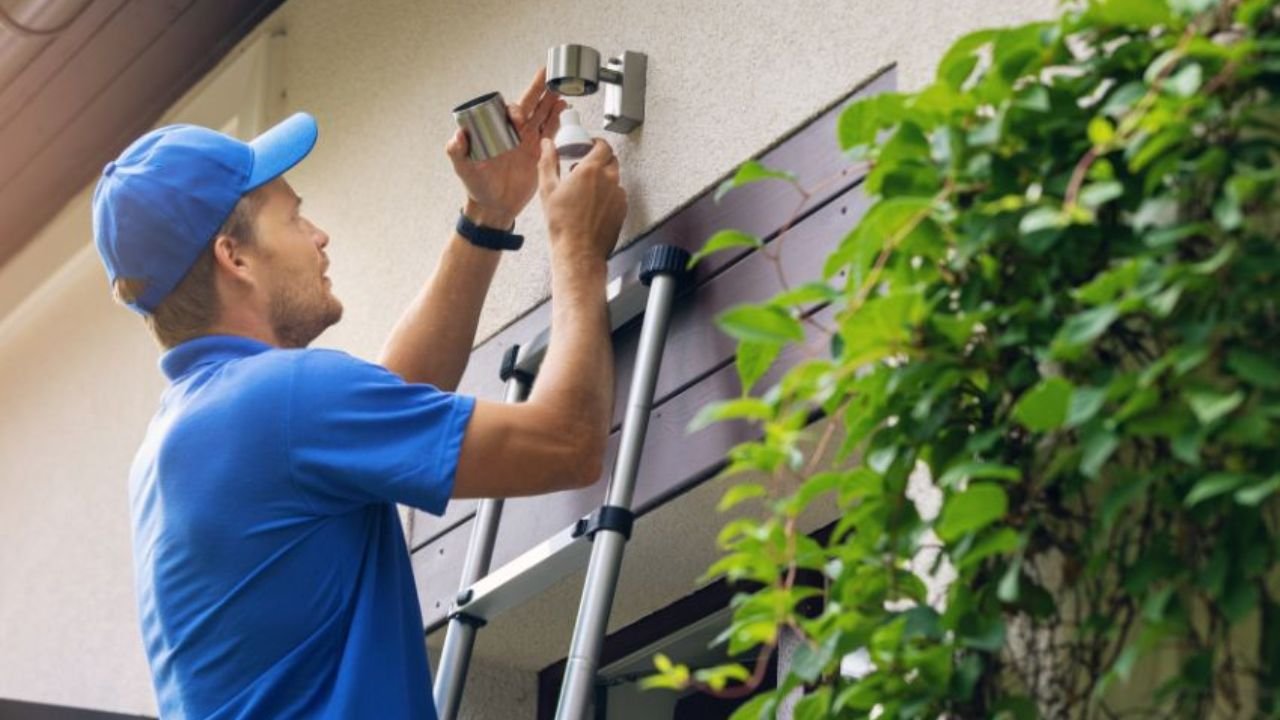
Daily maintenance covers everything from mowing lawns and trimming trees to fixing broken benches and cleaning playground equipment. At first glance, these tasks may seem routine, but their impact on a park’s overall health is huge.
Regular maintenance prevents small issues from snowballing into big problems. For example, a cracked walking path repaired early prevents accidents and avoids costly full replacements later. Similarly, consistent landscaping maintains the park’s beauty and preserves Asheville’s reputation for green, welcoming spaces.
Visitors often notice when a park is well cared for. A clean, safe environment encourages repeat visits, family picnics, and community gatherings. Parks with poor maintenance, on the other hand, quickly fall into disrepair, driving people away and costing the community more in lost use.
The Case for Major Renovation
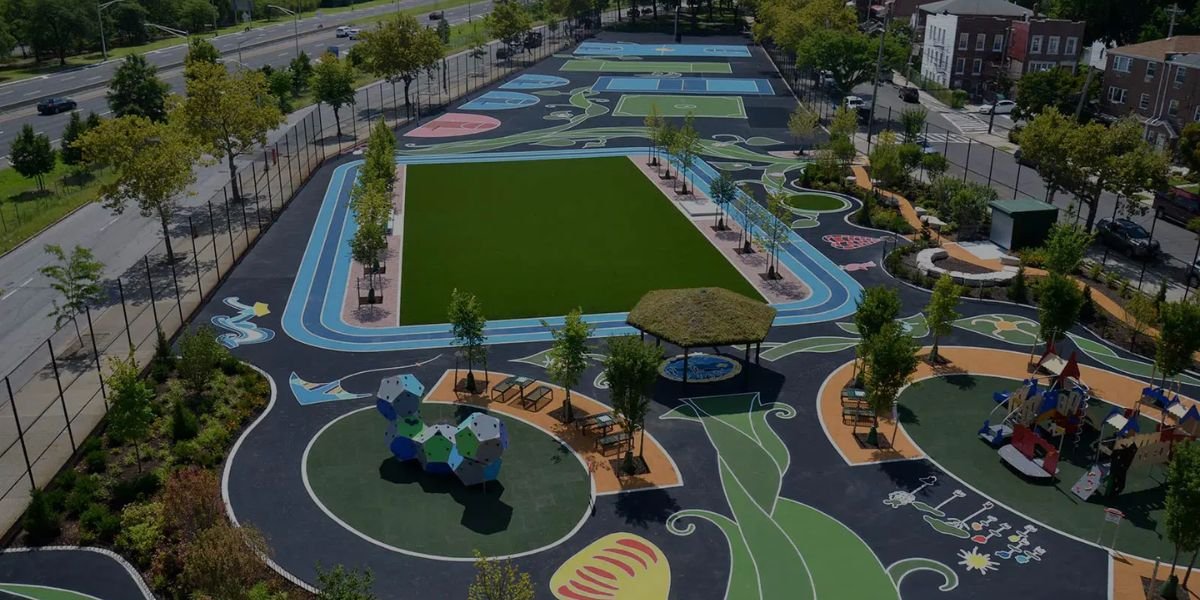
While daily maintenance is crucial, there are times when it simply isn’t enough. Major renovations—such as rebuilding playgrounds, repaving trails, or upgrading facilities—transform the visitor experience in ways routine care cannot.
Renovations allow parks to adapt to modern needs. For example, adding ADA-compliant walkways or eco-friendly lighting systems not only improves accessibility but also ensures compliance with current standards. Similarly, redesigning a playground with new equipment can attract families who might have stopped visiting years ago.
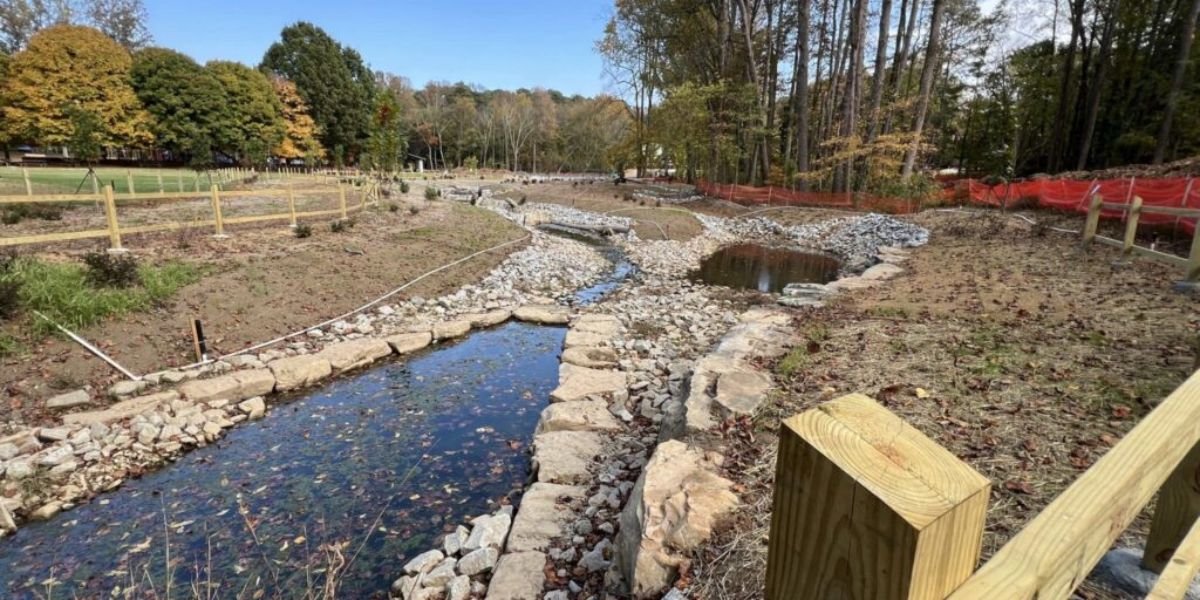
Jones Park’s ongoing improvement projects highlight the importance of long-term investments. Renovations create a “wow factor” that can re-energize community engagement and even boost local tourism.
The Cost Factor: Short-Term vs. Long-Term
Financially, the debate boils down to short-term versus long-term spending. Daily maintenance tends to have smaller, consistent costs spread throughout the year. This makes budgeting predictable and keeps the park functional with minimal disruption.
Major renovations, however, require large one-time expenses. They often rely on grants, fundraising, or city budgets. While costly upfront, renovations can extend a park’s life for decades. The challenge lies in balancing these investments—neglecting maintenance while waiting for a renovation can cause the park to deteriorate, while relying only on small fixes may limit its growth potential.
Experts suggest a hybrid approach works best: consistent upkeep to preserve infrastructure, paired with occasional renovations to modernize and improve facilities.
Community Perspectives
Park visitors often have strong opinions on how money should be spent. For some, maintenance is the priority. Laura Green, an Asheville resident, explains, “I’d rather see the city fix broken benches and clean the park every week than wait five years for a new playground.”
Others argue renovations bring more value. Michael Torres, a father of two, says, “When they rebuilt the splash pad, my kids couldn’t wait to go back. It made the park exciting again. Regular mowing doesn’t create that same buzz.”
Both perspectives highlight the delicate balance park officials must maintain: ensuring day-to-day functionality while also delivering big improvements that inspire the community.
Sustainability and Longevity
From a sustainability perspective, daily maintenance aligns with the idea of preserving resources and extending the life of existing structures. Small repairs reduce waste and keep the park eco-friendly.
Renovations, however, offer opportunities to introduce green technology. For example, upgrading irrigation systems can conserve water, and solar-powered lighting reduces energy costs. When done thoughtfully, renovations can actually make a park more sustainable in the long run.
The key is making sure major projects don’t erase the natural beauty of Asheville’s parks. Sustainability experts stress that renovations should enhance, not replace, the park’s ecological value.
Which Pays Off More?
So, which investment is truly better—daily maintenance or major renovation? The answer depends on the park’s current condition and the community’s priorities.
- Daily maintenance pays off by keeping parks consistently safe, clean, and welcoming. It prevents costly emergencies and builds steady community trust.
- Major renovations pay off by revitalizing parks, improving accessibility, and ensuring facilities meet future needs. They spark excitement and renew public interest.
The reality is that both are essential. Parks like Jones Park thrive when leaders commit to regular upkeep while planning major projects every few years. This balance ensures that the park remains both functional and innovative.
Conclusion: A Balanced Approach
In the debate between daily maintenance and major renovations, it’s clear that neither can stand alone. Maintenance is the heartbeat that keeps a park alive, while renovations are the milestones that give it new purpose. For Jones Park and other Asheville green spaces, the smartest path forward is investing in both—caring for today while preparing for tomorrow.
What’s your take—should cities spend more on daily upkeep or big renovations? Share your thoughts in the comments below!