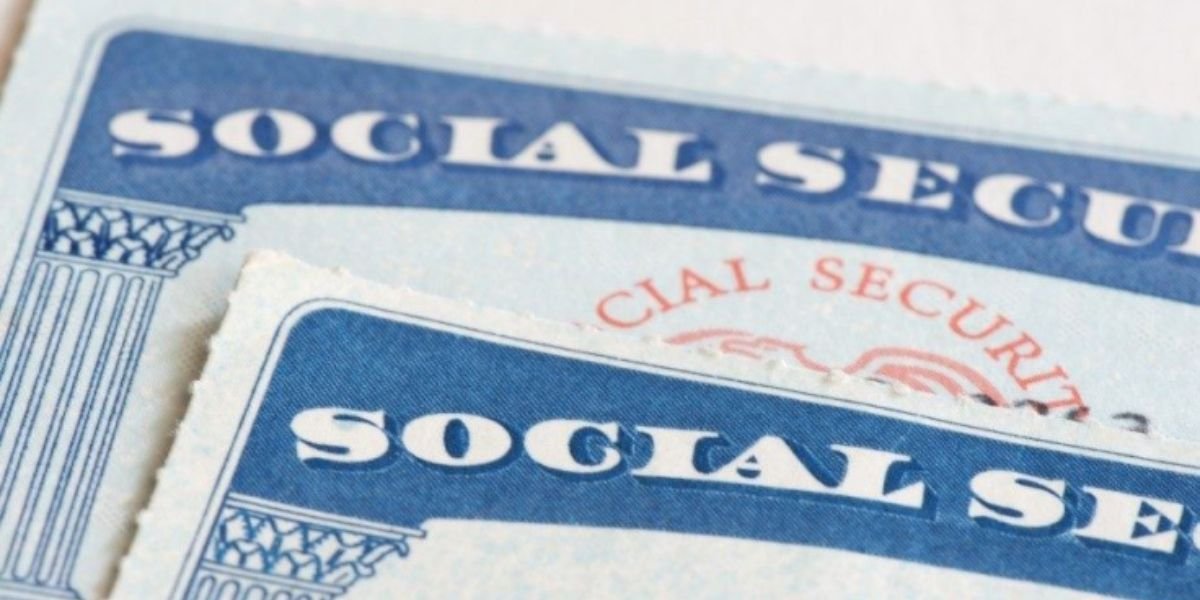
The Social Security Administration said it will continue to issue paper checks to retirement program participants, reversing a previously stated intention to transfer all payments to electronic deposits after September 30.
On Wednesday, the Social Security Administration told CBS MoneyWatch that it would continue to issue paper checks to beneficiaries, including those receiving retirement and disability benefits, who had no alternative way of receiving payments. However, the program will also highlight the benefits of electronic payments to its about 70 million beneficiaries in an effort to persuade check holders to switch, according to a Social Security official.
The about-face comes after the agency said on July 14 that it will phase out paper checks beginning in October, citing the benefits of electronic deposits such as faster payment processing and more security. Eliminating paper also saves the federal government money, with checks costing 50 cents each, compared to 15 cents for an electronic payments transfer, the agency stated at the time.
The policy reversal comes after Senator Elizabeth Warren, a Democrat from Massachusetts, met with Social Security Commissioner Frank Bisignano on Wednesday morning and inquired about the intention to cease paper checks, as well as other changes at the department.
“There are about 600,000 Americans who still receive their paper checks — it’s a small fraction of people who receive Social Security payments, but it’s a population that often needs checks through paper” rather than electronic deposit, Warren said in a press call to discuss her meeting with Bisignano.
She commented that Bisignano had “made a commitment that no one will be left behind and that people who have access to paper checks will get access to paper checks.”
According to Bankrate, millions of people in the United States are “unbanked,” which means they do not have typical bank accounts, frequently because they believe they do not earn enough to qualify for one or are concerned about fees or other difficulties. These consumers typically use check-cashing services or other non-bank financial organizations, such as PayPal or Venmo, rather than traditional banks.
According to the AARP, approximately one in every five families led by a person over the age of 65 is unbanked or underbanked. People who are underbanked may have a bank account, but they predominantly use alternative banking services, such as check cashing stores, to manage their money.
Focus on client service
Warren also stated that she discussed other problems with Bisignano, including concerns about how a significant workforce decrease at the Social Security Administration this year would effect customer service.
The senator stated that Bisignano agreed to her request that the agency’s inspector general undertake an independent audit to assess the quality of customer service at SSA, including call wait times and how many Social Security claimants can reach a human staffer when they call for assistance.
“More accurate data is absolutely essential to oversight, to holding the Social Security Administration accountable to the job they are required to do,” the senator stated.
On Wednesday, the Social Security Administration stated that customer service is improving, noting that the agency’s phone response time has been cut to an average of 18 minutes in 2025, down from 30 minutes in 2024.
“Commissioner Bisignano had a productive meeting with Senator Warren where he presented improved customer service metrics that are currently being realized on the phone, in field offices, and online,” said a Social Security Administration representative to CBS MoneyWatch. “Senator Warren reacted positively to many of the indicators, specifically lower phone and field office wait times, the reduction of the disability claims backlog by 25% and the speed at which the SSFA payments were completed — give months ahead of schedule.”