Asheville, known for its natural beauty and rich biodiversity, is home to an array of public parks that serve as green havens for both residents and visitors. In recent years, one of the most sustainable and impactful practices gaining traction in Asheville’s public spaces is native planting. Native planting in Asheville parks is not just a landscaping choice—it’s a strategy to restore ecological balance, reduce maintenance costs, and build climate resilience.
What Is Native Planting?
Native planting refers to the use of plants that are indigenous to a specific geographic area—in this case, Western North Carolina. These plants have evolved over thousands of years in local conditions, making them well-suited to the region’s soil, climate, and wildlife. Examples in the Asheville area include:
- Eastern Red Columbine
- Black-eyed Susan
- Mountain Laurel
- Dogwood Trees
- Joe-Pye Weed
These species provide food and habitat for native birds, insects, and other wildlife. More importantly, they require less water, fertilizer, and human intervention compared to non-native or ornamental species.
Why Native Planting Matters in Asheville Parks
1. Biodiversity and Wildlife Habitat
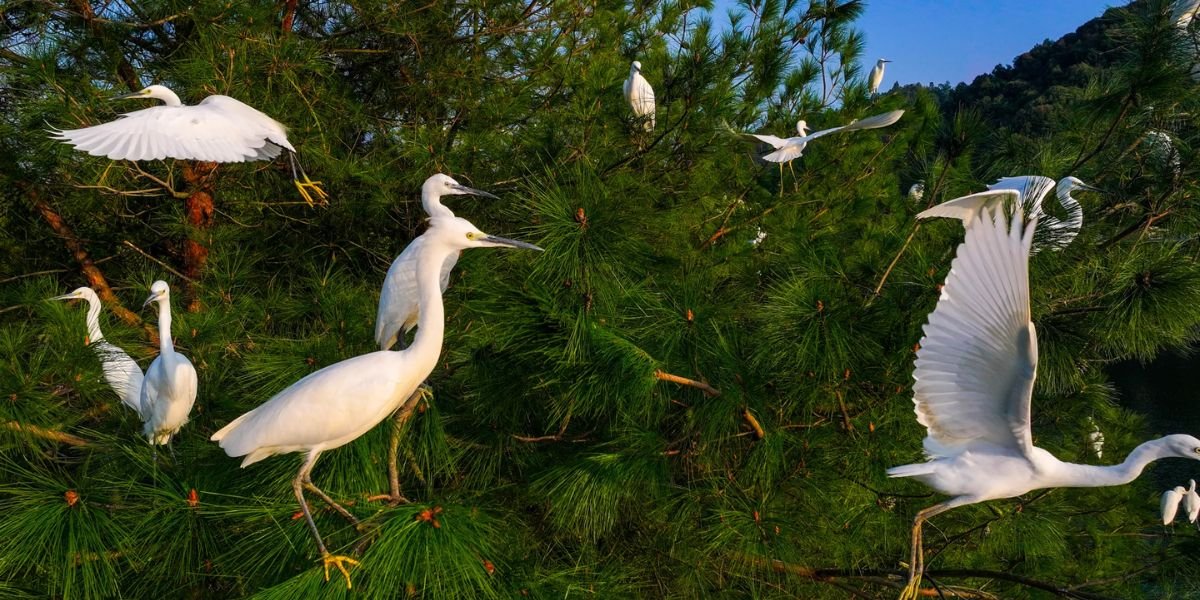
Native planting in Asheville parks supports the local ecosystem by attracting pollinators like bees and butterflies, as well as birds and small mammals. The Asheville Botanical Garden has long promoted the use of native flora, showcasing how even small patches of land can become biodiversity hotspots when planted mindfully.
2. Low Maintenance and Cost Efficiency
Native plants are naturally adapted to local conditions, meaning they need minimal watering, no synthetic fertilizers, and fewer pest controls. This results in long-term savings for the city’s parks department. Over time, Asheville’s investment in native planting can reduce labor and maintenance costs, freeing up resources for other community projects.
3. Erosion Control and Soil Health
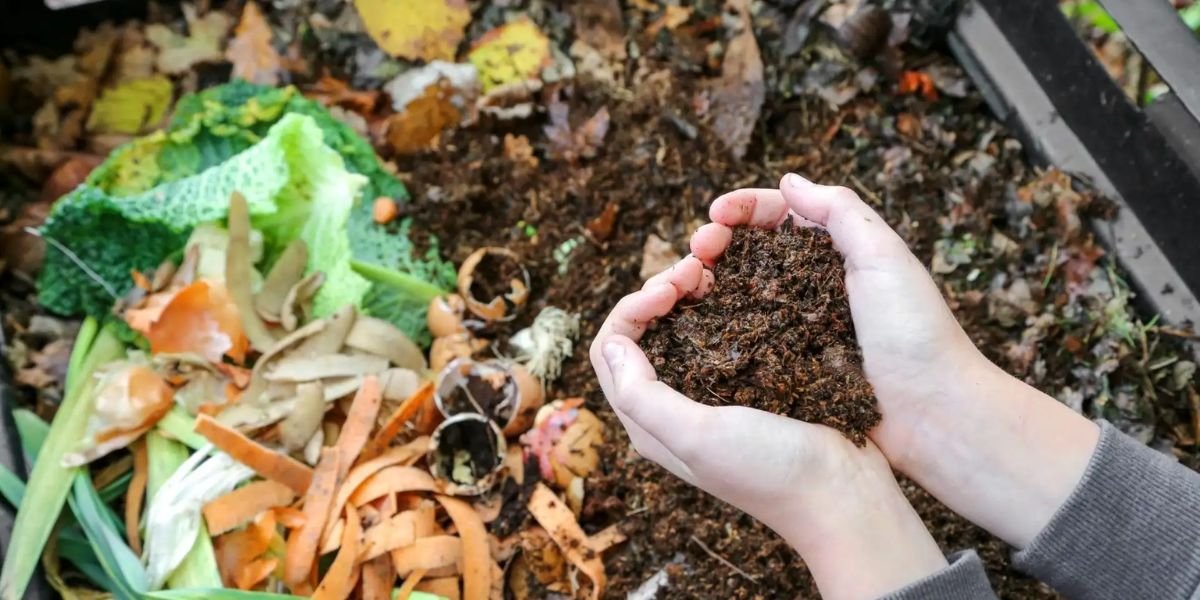
Many of Asheville’s parks are located on hilly or sloped terrain. Native ground covers and deep-rooted plants like switchgrass and wild indigo help prevent soil erosion. Their roots hold the soil together, improve water retention, and add organic matter back into the earth.
4. Climate Resilience
As climate change continues to affect rainfall patterns and temperature fluctuations in North Carolina, native species offer a resilient alternative to exotic plants. They’re naturally equipped to survive local climate stressors, including drought and heavy rainfall. This makes native planting a key strategy in climate adaptation planning for Asheville’s urban green spaces.
Case Study: Asheville Botanical Garden
The Asheville Botanical Garden has served as a living model for native planting in the region. It features over 600 native plant species and demonstrates how local flora can be both functional and beautiful. Their initiatives have influenced many public spaces in Asheville to adopt similar planting strategies.
Educational signage, guided tours, and volunteer-driven restoration efforts help bridge the gap between community engagement and ecological stewardship.
Community Involvement and Education
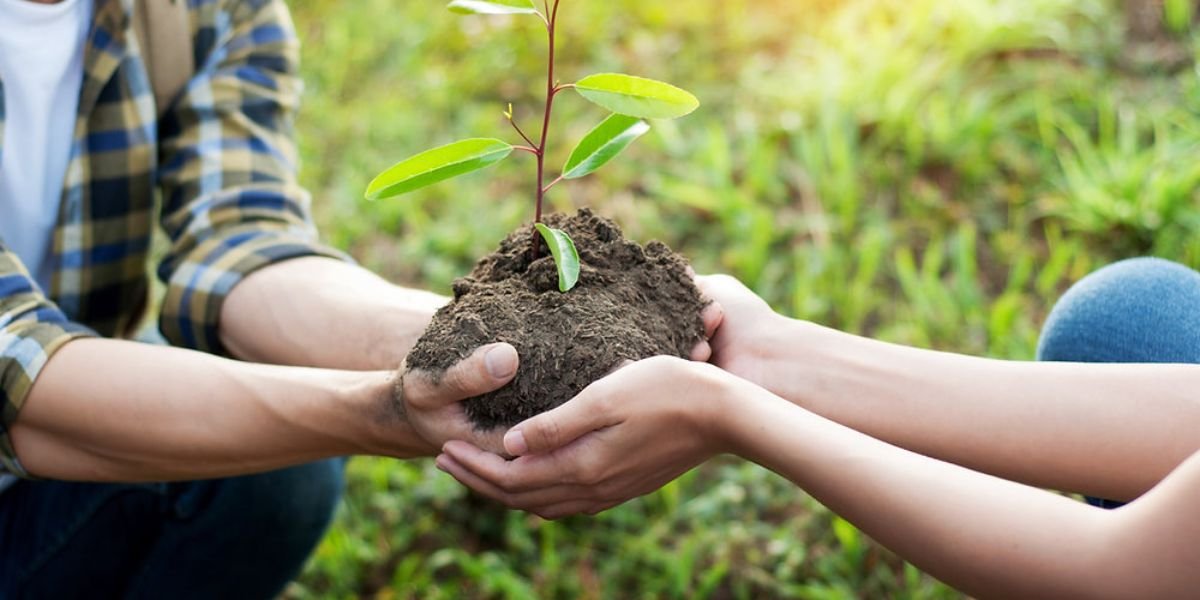
Public awareness and participation are vital to the success of native planting programs. Many Asheville parks offer volunteer planting days, where residents can help restore native habitats. Local organizations like RiverLink and Asheville GreenWorks frequently organize cleanup and planting events along rivers and trails.
Educational programs, especially for school-age children, introduce young residents to the benefits of native species. This not only nurtures environmental responsibility but also strengthens community ties to public green spaces.
Native Planting and Park Design
Urban planners and landscape architects in Asheville are increasingly incorporating native planting into park designs. For instance, newer park improvement projects include:
- Pollinator gardens with native milkweed and goldenrod
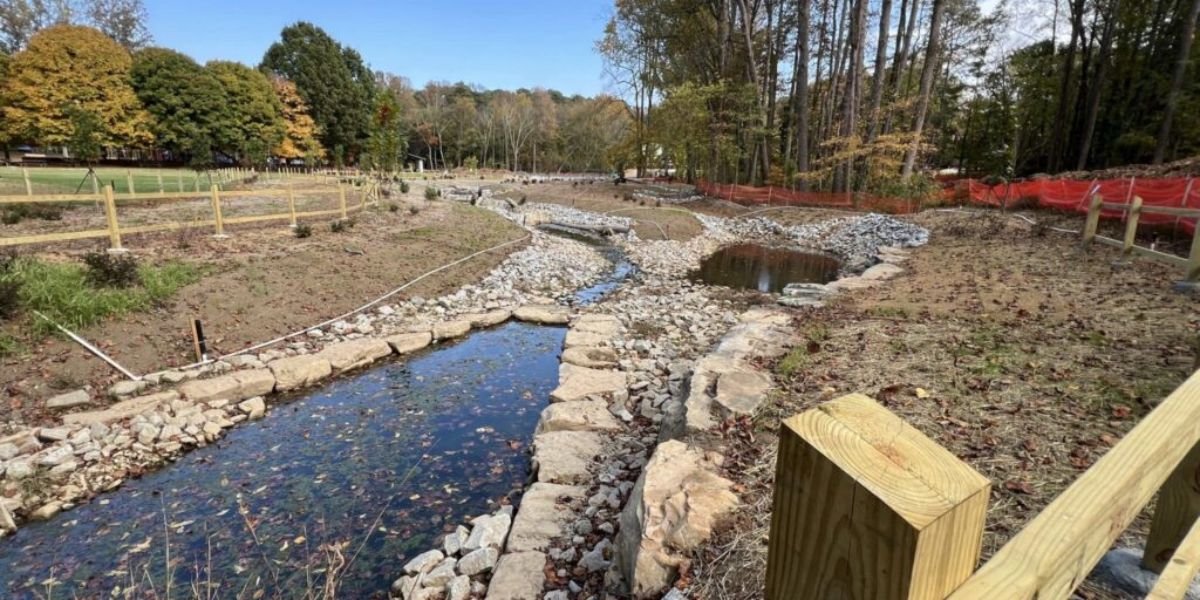
- Rain gardens using native rushes and sedges
- Natural meadows instead of mowed lawns
These elements make Asheville’s parks more attractive, environmentally sustainable, and easier to manage long-term.
Challenges and Solutions
Implementing native planting at scale isn’t without its hurdles:
- Initial Cost: Native plants can be more expensive to source in the short term.
- Public Perception: Some residents may view native landscapes as “messy” compared to traditional lawns.
- Invasive Species Competition: Invasive plants like kudzu or Japanese knotweed can outcompete natives.
Solutions include grant-funded pilot projects, public education campaigns, and regular ecological monitoring. The city can also collaborate with nurseries to cultivate native plants locally, reducing costs over time.
The Road Ahead
The future of native planting in Asheville parks looks promising. As the city continues to prioritize sustainability and climate resilience, integrating native flora into public landscapes is a logical and necessary step. Through public education, community engagement, and long-term planning, Asheville can continue to be a leader in ecological stewardship.
Whether it’s a quiet corner in a neighborhood park or a vast greenway along the French Broad River, native planting has the power to transform Asheville’s urban environment into a thriving, self-sustaining ecosystem.