Introduction
Across the country, historic parks and greenhouses are undergoing thoughtful transformations that balance preservation with sustainability. One outstanding example is the Volunteer Park Conservatory in Seattle — a public botanical gem that has thrived through restoration, education, and community involvement. This model of sustainability offers valuable insights for any city, including Asheville, as it explores ways to protect and restore public green spaces.
In this article, we explore the significance of volunteer park restoration, how it blends heritage conservation with environmental responsibility, and what lessons can be drawn for future restoration efforts in Asheville and beyond.
What Is Volunteer Park Restoration?
The term volunteer park restoration refers to projects that aim to preserve and revitalize historic public parks, particularly those maintained or supported through community engagement, donations, and nonprofit leadership. These restoration efforts often focus on:
- Repairing aging infrastructure (paths, fountains, buildings)
- Reviving greenhouses or conservatories
- Enhancing native landscaping and biodiversity
- Improving energy efficiency and water use
- Providing educational opportunities related to sustainability
The Volunteer Park Conservatory in Seattle is a clear example. Originally opened in 1912, the Victorian-style greenhouse had fallen into disrepair by the early 2000s. But through partnerships with local government and the nonprofit Volunteer Park Conservatory Alliance, it was restored and reopened with modern, sustainable upgrades — all while maintaining its historical integrity.
Why Restoration Matters for Sustainability
At first glance, restoration might seem like a purely historical effort. But in reality, restoring old parks and facilities is deeply connected to environmental goals. Here’s why:
1. Preserving Resources
Restoring existing structures often uses fewer materials and generates less waste than new construction. It preserves the embodied energy of original materials and reduces landfill contributions.
2. Supporting Native Ecosystems
Modern restoration includes reintroducing native plant species, removing invasive growth, and building habitats for pollinators and birds. This improves local biodiversity.
3. Sustainable Infrastructure
During restoration, parks can be retrofitted with green technologies — such as solar panels, rainwater catchment systems, or energy-efficient glass in greenhouses.
4. Environmental Education
Conservatories and botanical centers can serve as teaching hubs for topics like composting, drought-resistant gardening, and ecological preservation.
The Role of Community in Restoration
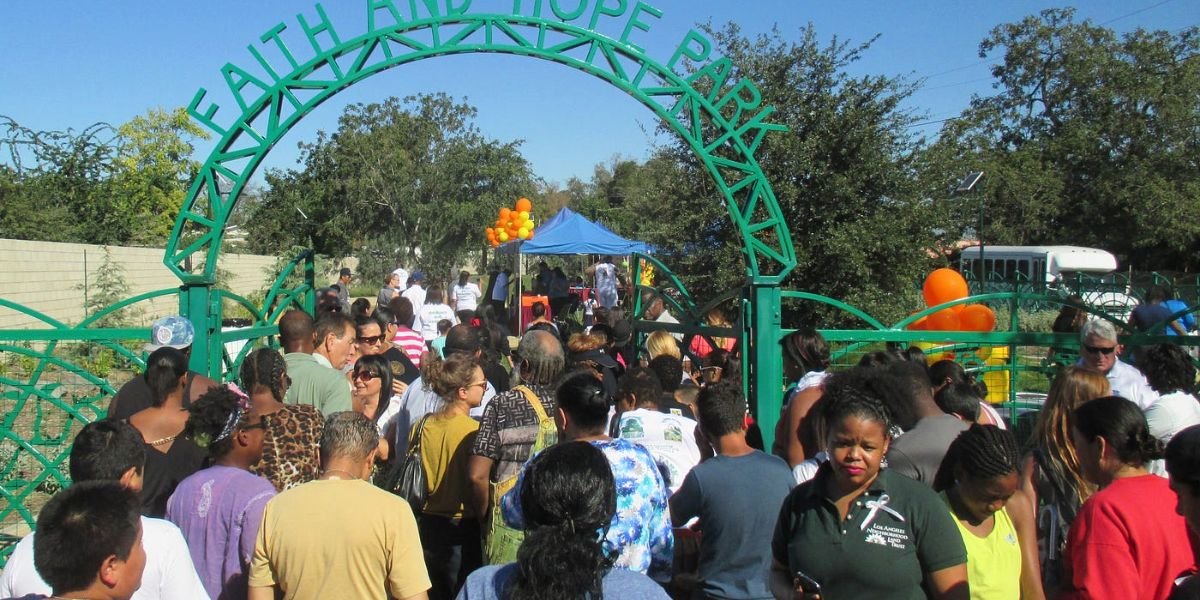
One of the most powerful aspects of volunteer park restoration is community involvement. In Seattle, local residents, volunteers, and nonprofits helped raise funds, organize programs, and support maintenance. This sense of shared ownership creates lasting investment in public spaces.
In Asheville, similar partnerships can be encouraged. For example:
- Neighborhood groups could sponsor tree-planting or cleanup days
- Local businesses might donate eco-friendly materials for repairs
- Artists and educators could design interpretive signage or run sustainability workshops
These collaborative approaches not only save money — they create stronger bonds between people and parks.
Ideas for Asheville: Restoring With Purpose
Asheville’s public parks already offer rich natural beauty and historical elements. But several sites could benefit from a restorative approach that emphasizes sustainability. Examples include:
E.W. Grove Park
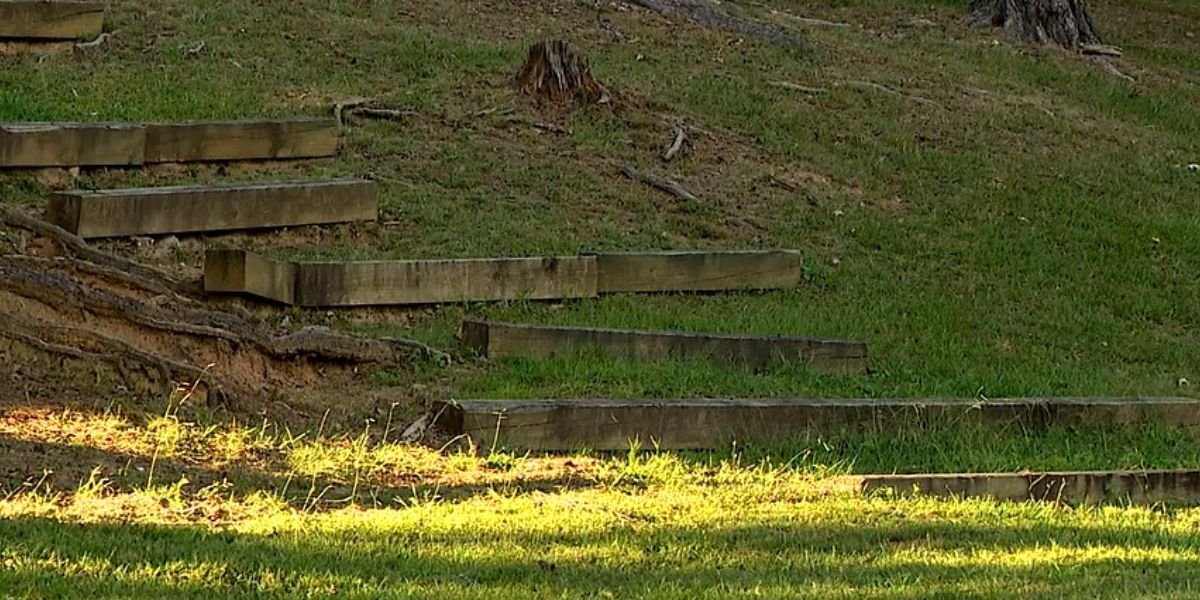
With its stone structures and mature trees, Grove Park could be enhanced with native plant gardens, water-efficient irrigation, and restored seating walls that preserve its early-1900s charm.
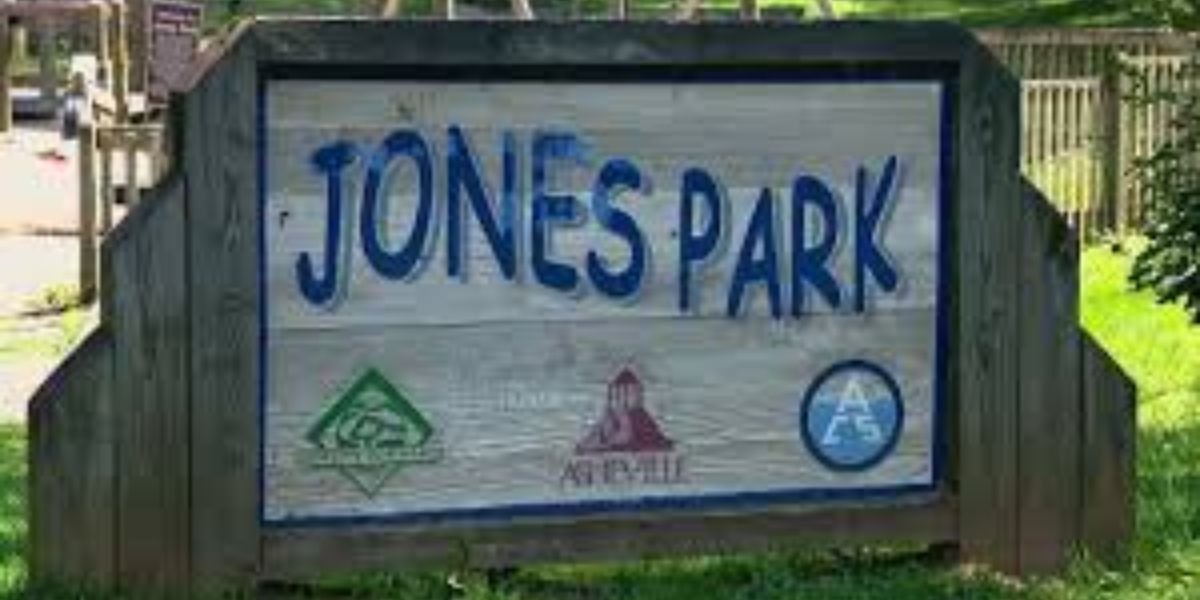
Jones Park
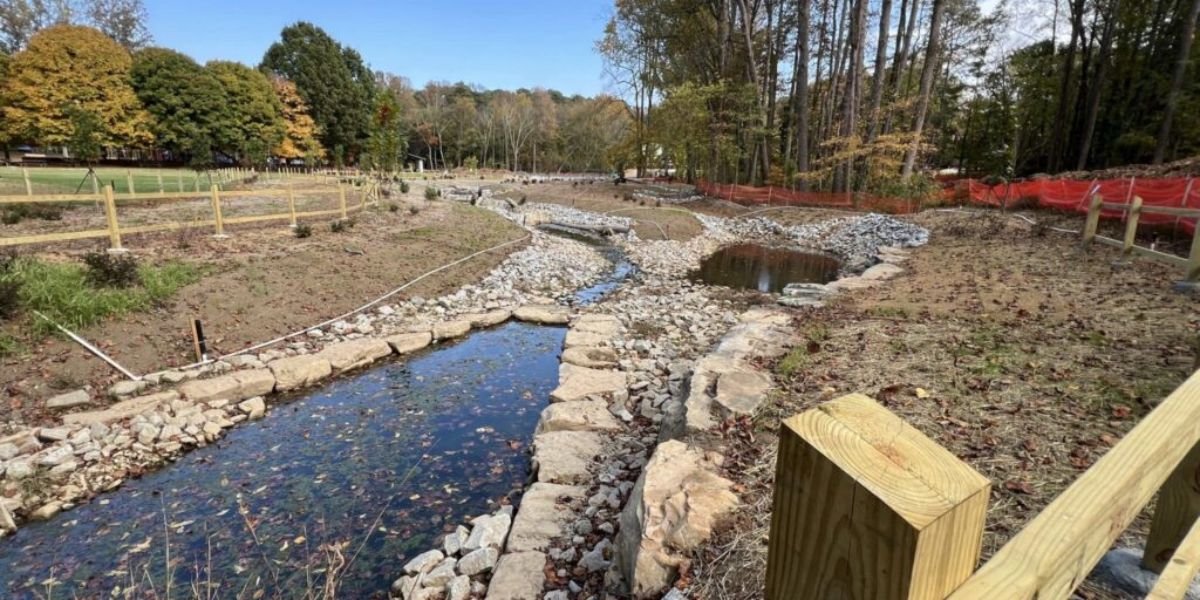
Through the Rebuild Jones Park initiative, restoration could involve stormwater management features, solar lighting, and educational spaces where local gardeners teach sustainable practices.
Abandoned or Underused Park Buildings
Old picnic shelters or outbuildings can be restored using green materials and repurposed as community meeting rooms, tool libraries, or teaching gardens.
The key is to integrate environmental goals into every step of the restoration process — from planning and design to maintenance and programming.
Long-Term Impact of Sustainable Park Restoration
When done right, volunteer park restoration offers long-term benefits:
- Reduced Maintenance Costs: Native plants and efficient systems require less upkeep.
- Higher Community Use: Clean, attractive, and functional parks draw more visitors.
- Climate Resilience: Parks with improved soil, water systems, and tree canopy better withstand heatwaves, storms, and drought.
- Youth Engagement: Educational programs build a new generation of park stewards.
Most importantly, restored parks remind us that nature, history, and community care can work together to build a greener, healthier future.
Conclusion
The story of the Volunteer Park Conservatory in Seattle is more than just a local success — it’s a blueprint for how communities everywhere can restore public spaces with sustainability at the heart. For Asheville and other cities committed to climate-conscious growth, volunteer park restoration represents a chance to preserve the past while protecting the planet.
Whether it’s reviving a greenhouse, upgrading a water system, or replacing invasive plants with native wildflowers, every step matters. And when communities come together to support these efforts, parks become more than just places to visit — they become places to learn, connect, and inspire.
Source:
Volunteer Park Conservatory – volunteerparkconservatory.org