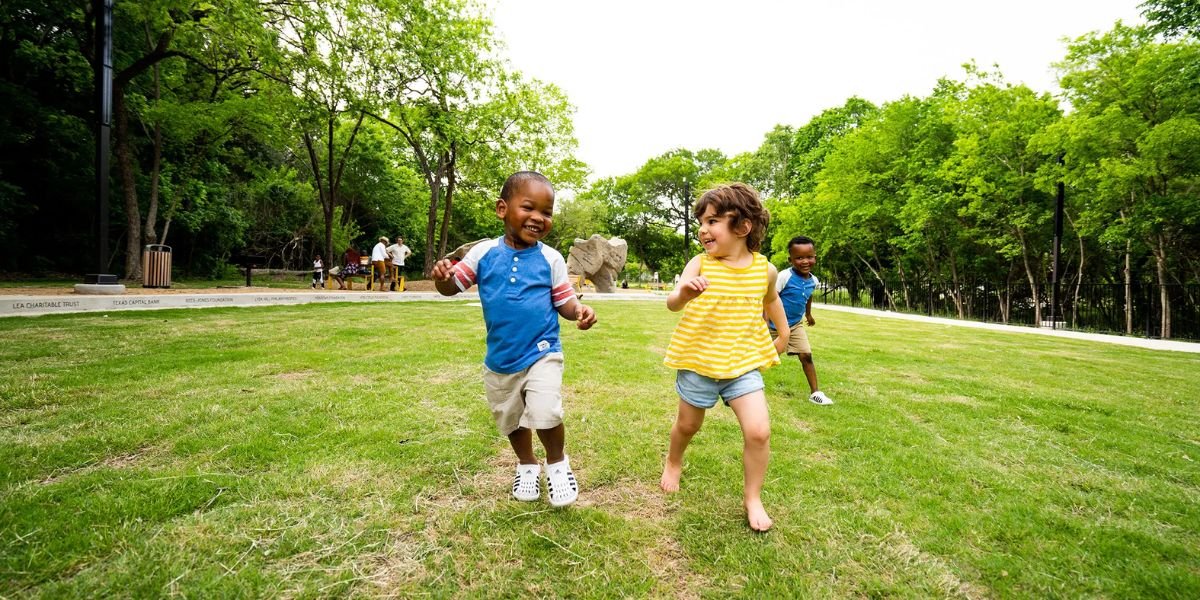
In the charming city of Asheville, North Carolina, where the Blue Ridge Mountains frame the skyline and community life thrives on outdoor recreation, Weaver Park stands as a testament to how green spaces can serve as both natural havens and social hubs. Tucked away in North Asheville at 200 Murdock Avenue, this 6.6-acre park has long been a favorite destination for families, athletes, and nature lovers. With its recent improvements and an ongoing vision for accessibility and enhancement, Weaver Park is evolving into one of Asheville’s most dynamic and inclusive public spaces.
A Neighborhood Favorite for Generations
Weaver Park is one of Asheville’s oldest community parks, and for decades, it has provided residents with a reliable place for play, leisure, and connection. Nestled between residential neighborhoods, it serves as a green lung for the city and a daily destination for joggers, dog-walkers, parents with strollers, and local athletes.
The park’s well-loved walking loop winds gracefully through open green space and around ballfields, inviting people of all ages to move at their own pace—whether it’s a brisk morning walk or a lazy weekend stroll. In addition to fitness and relaxation, Weaver Park has long played host to casual sporting events, picnics, and friendly neighborhood gatherings.
Amenities That Serve All Ages
Before its recent upgrades, Weaver Park already boasted a wide array of recreational features. It included a playground, picnic tables, basketball court, baseball field, tennis courts, and a portion of the Glenn’s Creek Greenway, a popular trail system that connects neighborhoods and parks throughout Asheville.
The park also features a concession stand, a picnic shelter, and restroom facilities, all of which enhance its usability for group events and family outings. Its diverse layout offers something for everyone—from kids who love to climb and swing to seniors who enjoy a shaded bench near the walking path.
Recent Renovations & A Modern Vision
In 2025, Weaver Park entered a new chapter. The Asheville Parks & Recreation Department initiated a comprehensive renovation plan aimed at improving accessibility, safety, and overall enjoyment of the park. Key updates include:
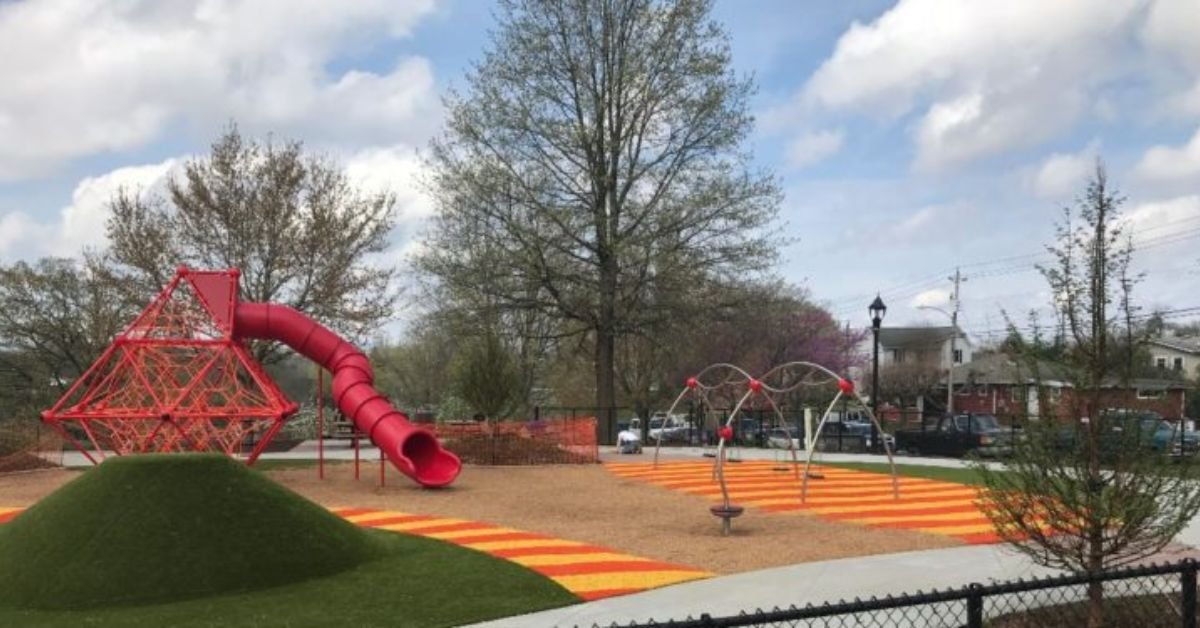
- New playground equipment designed for inclusive play
- Rebuilt tennis courts with dual striping for pickleball
- Resurfaced basketball courts with new goals
- Renovated ballfield, including new dugouts, fencing, a bullpen, and seating
- Repaved parking lots for better vehicle access
- New lighting systems to extend play hours
- Enhanced seating areas and pedestrian-friendly pathways
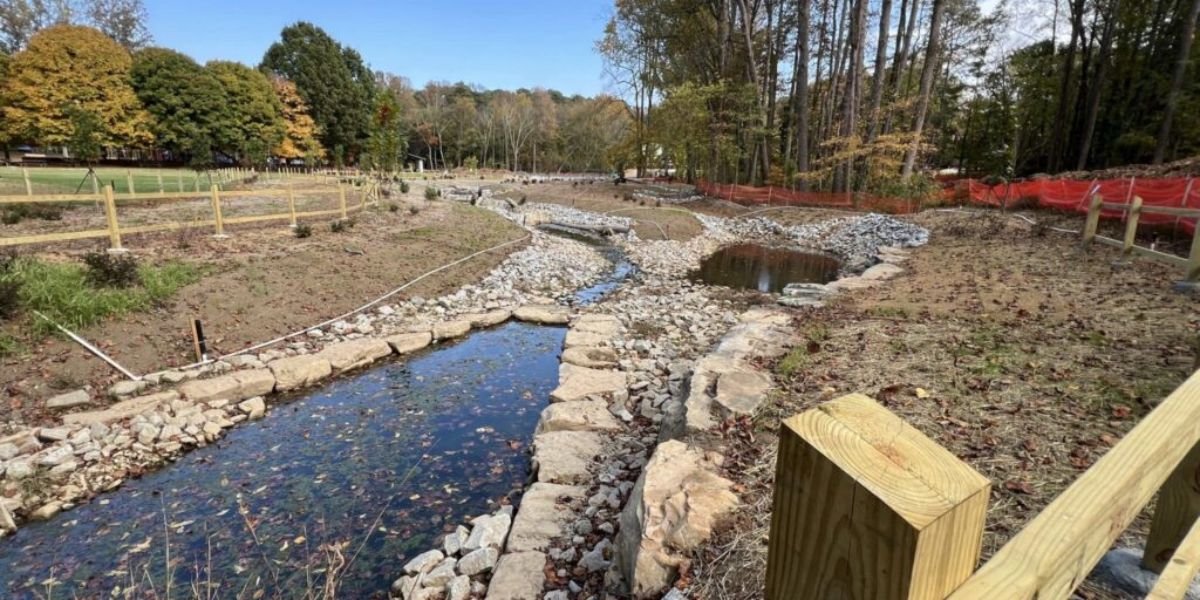
- A rerouted segment of the Glenn’s Creek Greenway for better accessibility
- A new pedestrian bridge to improve connectivity across the park
These changes not only modernize the park but reflect the city’s commitment to equity and inclusion—ensuring that residents of all abilities can enjoy Asheville’s outdoor spaces.
Temporary Closures During Construction
As with any significant upgrade, the renovation comes with temporary inconvenience. Starting July 7, 2025, much of the park’s east side is closed for construction and is expected to reopen in early 2026. Closed features currently include:
- The playground
- The basketball court
- The ballfield
- Picnic shelters and permanent restrooms
- A section of the walking trail loop
However, visitors can still enjoy several key areas during this time. The tennis and pickleball courts remain open, and portable restrooms have been provided near the parking lot for convenience.
To accommodate the temporary closures, the city recommends nearby parks like Magnolia Park, MLK Jr. Park, and the Tempie Avery Montford Center for basketball, walking trails, and family play areas.
A Community-Driven Project
What sets the Weaver Park renovation apart is the way it reflects the voices of the community. The project was shaped by extensive public input gathered through surveys, public meetings, and design workshops. Feedback from residents influenced decisions on playground designs, safety features, and ADA-compliant access points.
The project is funded through the City of Asheville’s Parks & Recreation capital improvements, demonstrating a long-term investment in public well-being. It is a shining example of how municipal projects can respond to community needs while fostering environmental stewardship.
A Model for Future Urban Parks
As cities across the country grapple with how to make their green spaces more sustainable, inclusive, and accessible, Weaver Park offers a compelling model. Its transformation highlights the importance of updating infrastructure without losing the heart and history of a community space. The integration of active play areas, nature trails, modern sports facilities, and inclusive design shows that a park can be both functional and beautiful.
Looking Ahead
When the construction is complete, Weaver Park will not only regain its full functionality but also offer a reimagined experience for future generations. It will once again be a place where weekend ball games, after-school playdates, elder wellness walks, and family picnics converge in joyful harmony.
If you’re planning a visit to Asheville or looking for a well-balanced community park that offers something for everyone, Weaver Park deserves a spot on your list.
Learn more from the official source: Weaver Park – City of Asheville