Public parks are essential for healthy and happy communities. They provide places to relax, play, exercise, and gather with others. But not all neighborhoods have access to clean, safe, and well-maintained parks. Some communities, especially in urban areas, have fewer green spaces or parks that need serious improvement.
To help solve this problem, North Carolina participates in a federal program called the Outdoor Recreation Legacy Partnership Program (ORLP). This program gives funding to cities to help rebuild and improve parks in underserved communities. These grants can make a big difference in how parks look, feel, and serve the people who live nearby.
In Asheville, where many public parks are aging or need repairs, programs like ORLP offer an opportunity to support fair and lasting improvements.
What Is the ORLP Program?
The Outdoor Recreation Legacy Partnership Program is a federal grant program supported by the National Park Service and managed at the state level by North Carolina State Parks. It helps cities and local governments get funding to build or improve outdoor recreation areas — especially in areas where access to parks is limited.
The goal of the program is to:
- Improve urban parks and recreation spaces
- Support low-income or underserved communities
- Promote outdoor access for all
- Invest in long-term park improvements
Grants can be used for projects like:
- Renovating old playgrounds or trails
- Building restrooms, shelters, or sports fields
- Adding ADA-accessible features for people with disabilities
- Restoring green areas that have been neglected
Why This Matters for Asheville
Asheville has many beautiful parks, but not all of them are in perfect condition. Some need new equipment, better lighting, improved paths, or updated restrooms. In certain neighborhoods, parks may be small, outdated, or even missing completely.
This is where funding from programs like ORLP becomes important. The City of Asheville can apply for grants to help rebuild and improve local parks, especially in areas where residents may not have easy access to quality outdoor space.
For example, a neighborhood park with broken swings, cracked sidewalks, and no shade may not feel safe or welcoming. But with funding, that same park could become a clean, colorful, and fully usable space that serves children, seniors, and families alike.
How the Program Works
To receive ORLP funding, city and county governments must apply through a process managed by NC Parks and Recreation Trust Fund (PARTF). The project must meet specific requirements, such as:
- Serving an urban area with at least 30,000 people
- Being located in a community that has fewer parks
- Offering long-term value to the public
- Ensuring that the improved park stays open and protected
Applications are reviewed and scored based on their goals, design, community need, and long-term impact. Once selected, the city or county receives funding to carry out the project — often with additional support from local or state budgets.
Real Examples of Park Improvements
Across the country, the ORLP program has supported dozens of successful projects. Some examples include:
- Turning an old parking lot into a community soccer field
- Replacing broken equipment with ADA-accessible playgrounds
- Adding new walking trails and bike lanes
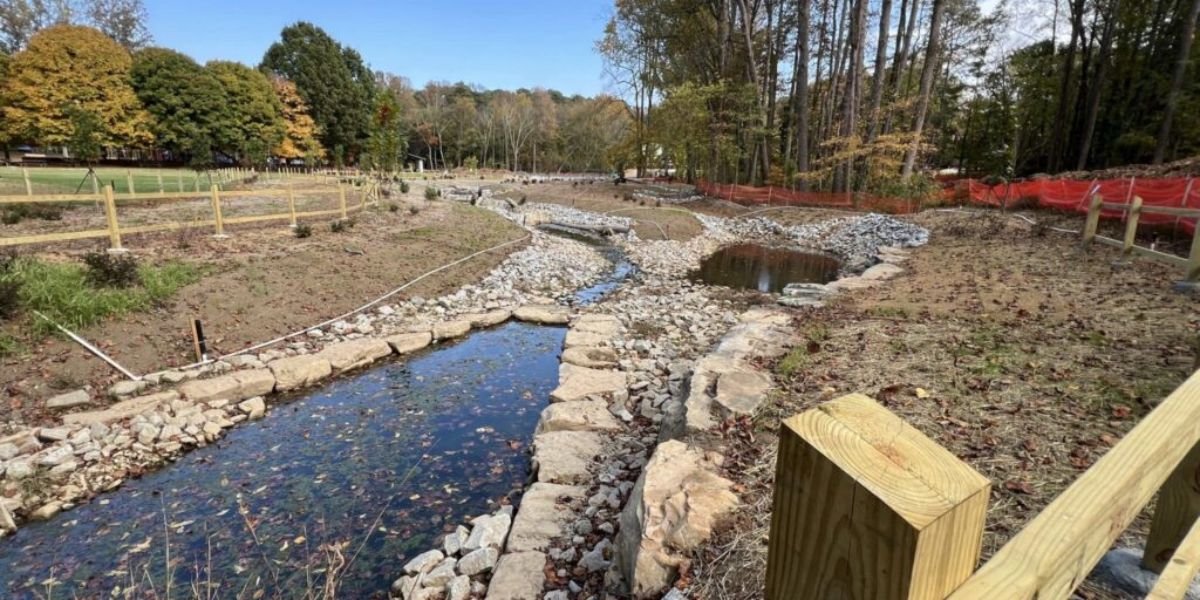
- Building green infrastructure like rain gardens and native plant areas
These changes don’t just make parks look better — they make them safer, healthier, and more useful for everyone.
Asheville can use this model to improve parks like Jones Park, Grove Park, or even underused areas in more densely populated neighborhoods. The goal is to make sure no part of the city is left behind when it comes to green space access.
Long-Term Benefits for the Community
Park improvement projects bring lasting value to the community in many ways:
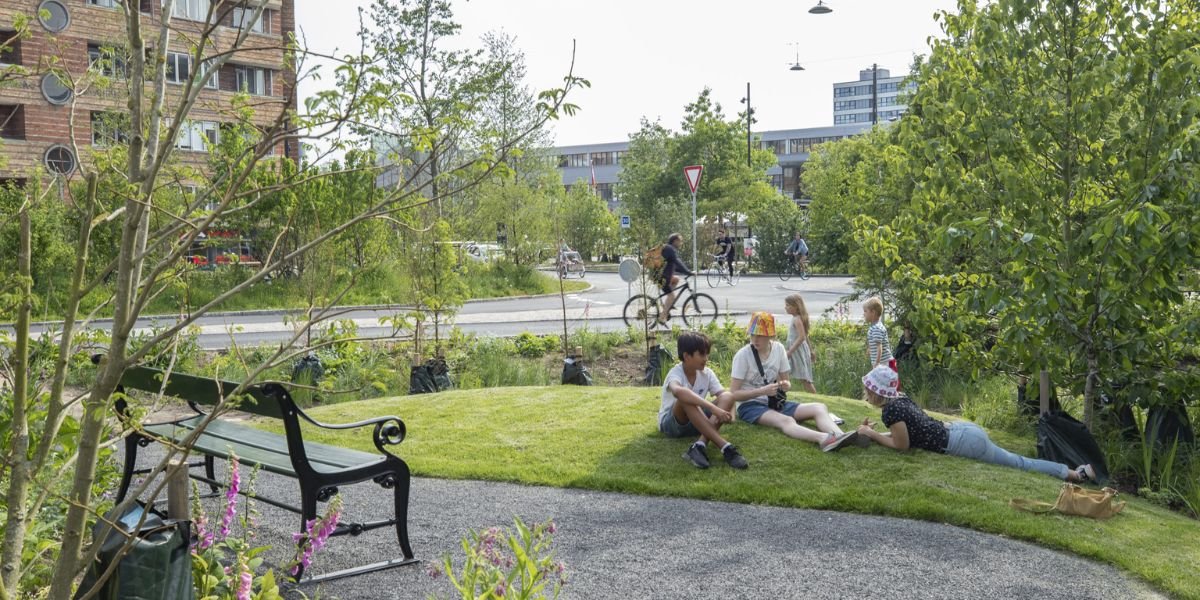
- Health: Better parks encourage walking, playing, and exercise.
- Safety: Renovated parks often see less vandalism and crime.
- Inclusion: ADA-accessible parks welcome people of all abilities.
- Environment: Trees, plants, and green areas support clean air and wildlife.
- Community pride: A clean, beautiful park makes people feel more connected to their neighborhood.
When a city invests in its parks, it invests in the well-being of its people.
What You Can Do
You don’t have to be a city official to support park improvement. Here’s how local residents can help:
- Speak up: Attend city meetings or write to local leaders to support funding applications.
- Volunteer: Join cleanup days or community planting events.
- Share ideas: Give input during public surveys or park planning discussions.
- Protect: Help others understand and follow park rules so spaces stay clean and safe.
- Celebrate progress: Share before-and-after photos, stories, or successes to build support.
Even small efforts help build momentum for larger improvements.
Conclusion
The Outdoor Recreation Legacy Partnership Program is a powerful tool for cities like Asheville to rebuild and improve parks in neighborhoods that need them most. With smart planning, strong community support, and access to funding, we can create green spaces that are clean, safe, and welcoming to all.
Asheville has the opportunity to learn from this program and apply it locally — making sure every resident, no matter where they live, has access to a park they can be proud of.
Let’s work together to reimagine and rebuild the parks that bring life, joy, and health to our city.
Source:
North Carolina State Parks – Outdoor Recreation Legacy Partnership Program