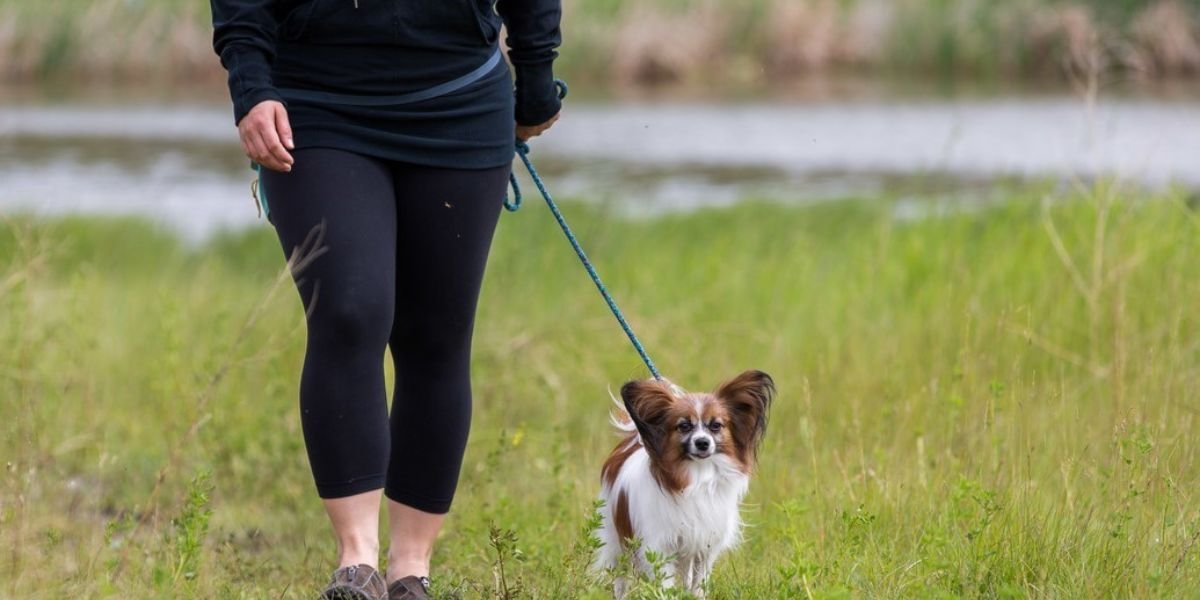
Exploring the outdoors with your furry companion is one of life’s great pleasures — and Maryland’s vast network of state parks offers plenty of opportunities for shared adventures. But before you pack the leash and head to the trail, it’s important to understand the pet policies that govern these public lands.
To ensure a safe, enjoyable, and respectful environment for all park visitors — two-legged and four-legged alike — the Maryland Department of Natural Resources (DNR) has set clear rules for bringing pets into state parks. These pet regulations vary by park and season, but they are all grounded in one goal: protecting natural resources while allowing responsible pet enjoyment.
Here’s what every dog owner (and pet lover) should know before visiting Maryland’s state parks.
Are Pets Allowed in Maryland State Parks?
Yes — but with restrictions. Many Maryland state parks welcome pets, but rules vary depending on location, time of year, and park area (such as campgrounds, beaches, trails, or visitor centers).
Generally, pets are allowed in:
- Day-use areas
- Trails and campgrounds (in designated sections)
- Some beaches during the off-season
- Boat launch and fishing areas (with leash control)
However, some parks have pet-free zones such as:
- Public swimming beaches during summer
- Visitor centers, bathhouses, and certain nature centers
- Specific day-use picnic areas during peak seasons
Always check the individual park’s pet policy before visiting — these are available on the park’s website or by contacting park staff.
Key Statewide Pet Rules You Must Follow
Whether you’re visiting Deep Creek Lake, Assateague State Park, or Patapsco Valley, these core rules apply across all Maryland state parks:
1. Leashes Are Mandatory
- Pets must be kept on a leash no longer than 6 feet at all times, even on trails or near campsites.
- Voice control or electronic collars are not substitutes for a leash.
2. Always Clean Up After Your Pet
- Owners are required to immediately remove and properly dispose of pet waste.
- Leaving waste behind is not only inconsiderate — it’s subject to fines and harms local ecosystems.
3. Pets Must Be Attended
- You cannot leave your pet unattended in a vehicle, tied to a post, or left at your campsite.
- Continuous barking or nuisance behavior can result in removal from the park.
4. Vaccinations Required
- Pets must have current rabies vaccinations.
- Proof may be requested by park officials in certain areas or situations.
5. No Pets in Designated Non-Pet Areas
- This includes public swimming beaches (in season), buildings, and signed zones.
- Some parks have seasonal restrictions — beaches may allow pets from Labor Day through Memorial Day only.
Breaking any of these rules could lead to citations, removal from the park, or fines.
Tips for a Pet-Friendly Visit
Following the rules is the minimum — here are a few best practices to make your visit smoother and more enjoyable:
- Bring extra water for your pet, especially on hot days
- Use tick and flea prevention — especially in wooded or grassy areas
- Carry dog-safe sunscreen if your pup has light-colored or thin fur
- Hike early or late in summer to avoid overheating
- Choose less-trafficked trails if your dog is nervous around crowds
Parks That Are Especially Pet-Friendly
Some Maryland state parks go above and beyond with their pet accommodations. Here are a few examples:
- Gunpowder Falls State Park – Leashed pets allowed on most trails year-round
- Greenbrier State Park – Pets permitted in day-use areas from October to April
- Assateague State Park – Pets allowed in select areas but not on the beach during peak summer months
- Swallow Falls State Park – Pets allowed on trails and campgrounds except on weekends from Memorial Day through Labor Day
Always refer to the DNR’s official site or contact the park office to confirm specific rules for your destination.
Why These Rules Exist
It may feel limiting at times, but pet regulations in Maryland parks are grounded in safety, conservation, and fairness.
- For wildlife: Dogs may chase, stress, or injure wild animals, especially nesting birds and small mammals.
- For other visitors: Not all people are comfortable with or safe around dogs — especially children, seniors, or those with allergies.
- For your own pet: Unleashed dogs can get lost, injured, or into conflicts with other pets.
- For the environment: Pet waste contaminates water, spreads disease, and damages ecosystems.
When everyone follows the rules, the parks remain a welcoming space for all — including future visitors.
Final Thoughts
Maryland’s state parks are among the state’s greatest treasures — and they can absolutely be enjoyed with your pet by your side. But responsible ownership and rule-following are key to preserving these spaces for generations to come.
Before you head out for your next hike, swim, or camping trip, take a moment to review your destination’s pet policy, pack the leash and waste bags, and enjoy Maryland’s natural beauty — responsibly.
Learn more about pet policies in Maryland State Parks here:
https://dnr.maryland.gov/publiclands/pages/pets.aspx