As cities and communities around the world work to become more sustainable, local governments are increasingly looking toward small, strategic changes that can produce big environmental benefits. One such initiative is taking shape in Rockville, Maryland, where a new Parks Recycling Pilot Program is aiming to reduce waste, encourage responsible disposal habits, and set the stage for a cleaner, greener future.
Launched in 2023, the Parks Recycling Pilot is more than just a new set of bins — it’s a thoughtfully designed effort to shift community behavior, educate park visitors, and test what works best in public spaces. With strategic implementation and community feedback at its core, the project could become a model for cities across the country looking to reduce litter and increase recycling rates.
The Vision Behind the Program
The City of Rockville recognized that while recycling participation is strong in homes and offices, public spaces like parks often lack the same level of infrastructure and visibility. Trash cans are common in parks, but recycling options are limited — leading to recyclable materials ending up in landfills.
The Parks Recycling Pilot Program was developed by Rockville’s Environmental Management Division as a way to explore solutions to this problem. The program launched in two major city parks: Rockville Civic Center Park and Mattie J.T. Stepanek Park, with the goal of evaluating how well recycling can be integrated into recreational environments.
How the Program Works
The pilot includes:
- Newly installed blue recycling bins placed next to existing trash cans
- Clear labeling and signage to help users understand what can and cannot be recycled
- Monitoring and data collection to assess contamination rates and recycling success
- Public education campaigns to raise awareness and encourage participation
The focus is not just on providing bins, but also on creating an environment where correct recycling is easy and intuitive for park visitors.
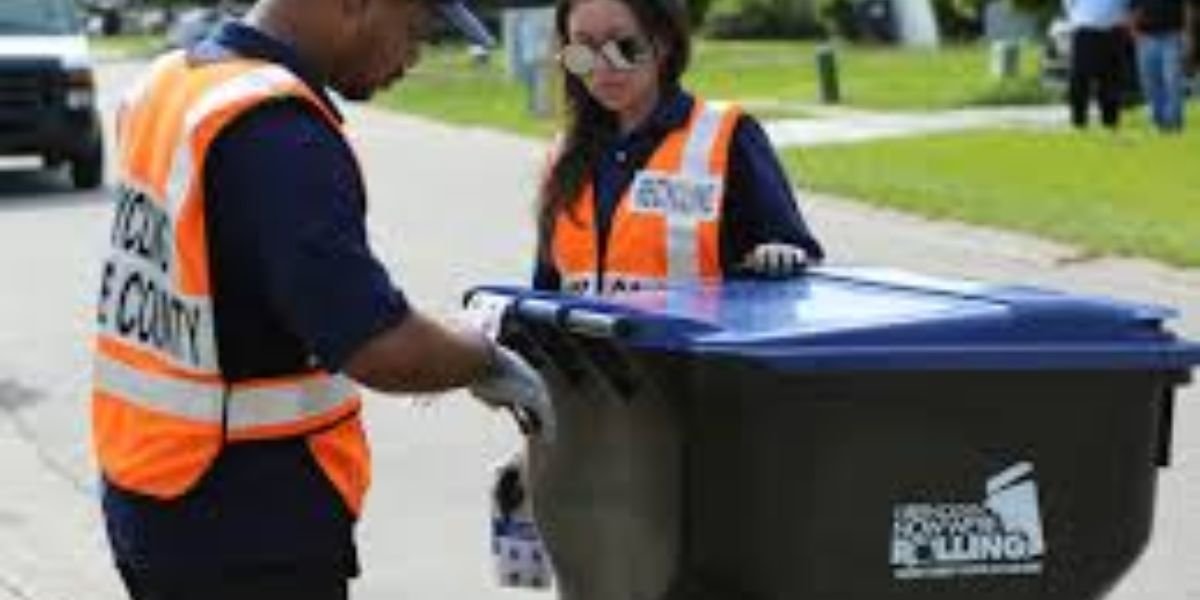
City staff and volunteers are monitoring how often the bins are used, what materials are being collected, and how much contamination (i.e., non-recyclables in recycling bins) occurs. This data will help shape future phases of the program and determine whether to expand it to additional parks.
Why Parks? Why Now?
Public parks are hubs of community activity. Families gather for picnics, kids play sports, and residents enjoy the outdoors — often generating waste in the process. Unfortunately, much of that waste ends up in trash cans even when it’s recyclable — like water bottles, aluminum cans, and cardboard containers.
By placing recycling infrastructure in parks, the City hopes to:
- Divert recyclable materials from landfills
- Reduce litter and overflow from trash bins
- Encourage sustainable habits in daily life
- Support Rockville’s broader climate and sustainability goals
Timing is also critical. As cities nationwide face growing waste management challenges and climate pressures, integrating sustainable waste systems in public spaces has become a top priority.
Benefits of Public Space Recycling
The Parks Recycling Pilot offers several potential benefits:
1. Environmental Impact
Recycling helps reduce the volume of waste sent to landfills and decreases the demand for raw materials. When properly sorted, items like plastic bottles and aluminum cans can be repurposed, saving energy and reducing greenhouse gas emissions.
2. Cleaner Parks
Recycling programs encourage more thoughtful waste disposal. Well-maintained and clearly marked bins help reduce litter, especially during busy weekends or large events.
3. Community Engagement
Public programs like this one foster civic pride and environmental awareness. They create a shared sense of responsibility among park users, especially young people, who are often eager to participate in sustainability efforts.
4. Behavioral Shift
When people see recycling as part of their normal routine — whether at home, work, or the park — it becomes a long-term habit. Programs like Rockville’s help close the gap between intention and action.
Challenges and Considerations
Of course, recycling in public spaces isn’t without challenges. Some common issues include:
- Contamination: When non-recyclables are placed in the bin, it can ruin an entire batch of recyclables.
- Maintenance: Recycling bins need to be emptied regularly and monitored to ensure proper use.
- Education: Not everyone knows what can or can’t be recycled. Clear signage and outreach are essential.
The City of Rockville is addressing these issues by closely tracking bin usage, adapting signage based on public response, and considering new strategies as the pilot progresses.
Looking Ahead: A Scalable Solution?
If the pilot proves successful, Rockville plans to expand the recycling program to additional parks and public spaces. The long-term goal is to integrate waste reduction into all aspects of city life — from recreation and transportation to schools and public buildings.
This aligns with Rockville’s Climate Action Plan, which emphasizes waste reduction and sustainable materials management as key strategies for meeting emissions targets and conserving resources.
Final Thoughts
The Parks Recycling Pilot Program is a small but meaningful step in Rockville’s sustainability journey. It shows that when local governments take initiative — and when communities are invited to participate — even simple changes can have lasting impact.
By testing new infrastructure, collecting data, and refining its approach, Rockville is laying the groundwork for a smarter, cleaner future. And in doing so, it’s proving that sustainability starts close to home — sometimes, just a walk in the park.
Learn more about the Parks Recycling Pilot Program here:
https://www.rockvillemd.gov/2578/Parks-Recycling-Pilot-Program