In the heart of Western North Carolina, the City of Asheville is taking an important step toward building a more sustainable, resilient, and inclusive future — one park at a time. Through a series of planned upgrades to North Asheville Park, the city aims to improve environmental quality, expand recreation opportunities, and enhance the overall livability of the neighborhood.
The North Asheville Park Improvements Project is more than just a facelift for an aging park; it’s a comprehensive effort to blend sustainability, community engagement, and climate resilience into urban planning. As cities across the U.S. grapple with the challenges of climate change, aging infrastructure, and growing populations, Asheville’s approach offers a valuable roadmap for how public spaces can be reimagined as engines of environmental and social transformation.
The Vision Behind the Project
Located in a well-used neighborhood near UNC Asheville, North Asheville Park currently serves as a recreational and gathering space for residents of all ages. But like many urban parks, its infrastructure has aged, and it needs updates to meet current standards for accessibility, environmental design, and community needs.
The City of Asheville launched this improvement project with the following key goals:
- Enhance environmental sustainability
- Improve stormwater management
- Upgrade recreational facilities
- Expand accessibility and inclusivity
- Incorporate community feedback into design
This vision underscores the belief that parks are not just leisure amenities — they’re critical components of a city’s environmental and social health.
Sustainability at the Core
One of the central elements of the North Asheville Park Improvements Project is its commitment to sustainability. The city is using this redevelopment opportunity to address environmental challenges while reducing the park’s ecological footprint.
Planned improvements include:
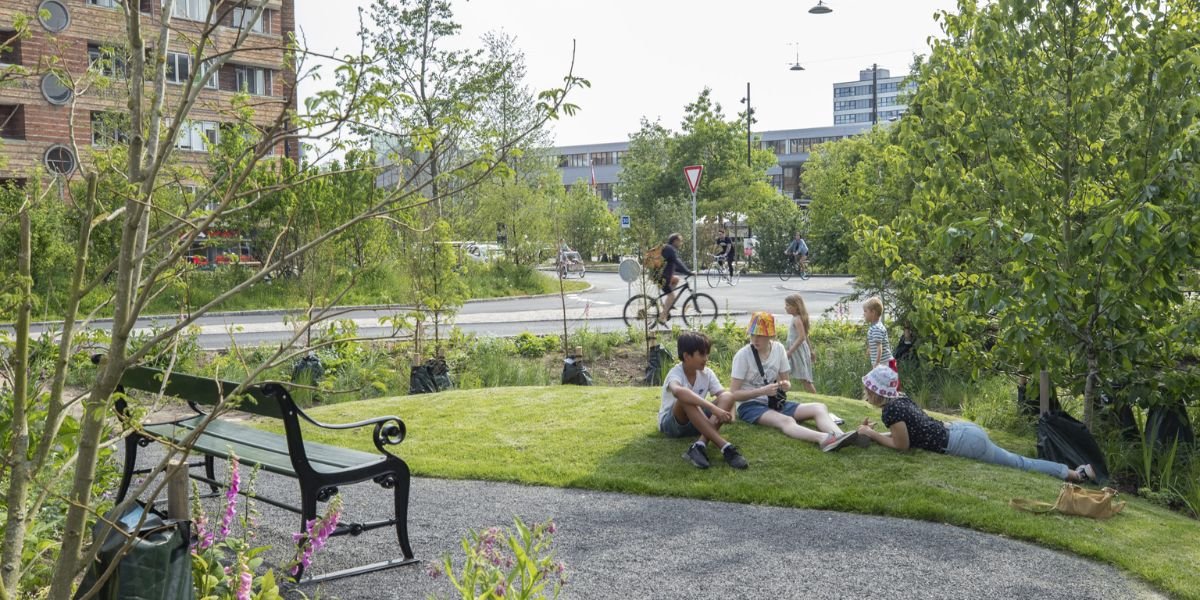
- Native landscaping to support pollinators and reduce irrigation needs
- Permeable surfaces for walkways and recreation areas to absorb rainwater
- Tree preservation and canopy expansion for shade and air quality benefits
- Energy-efficient lighting and low-impact materials
By integrating sustainable design from the ground up, Asheville is ensuring that this park doesn’t just serve today’s residents, but contributes to the city’s climate resilience and biodiversity for decades to come.
Managing Stormwater the Smart Way
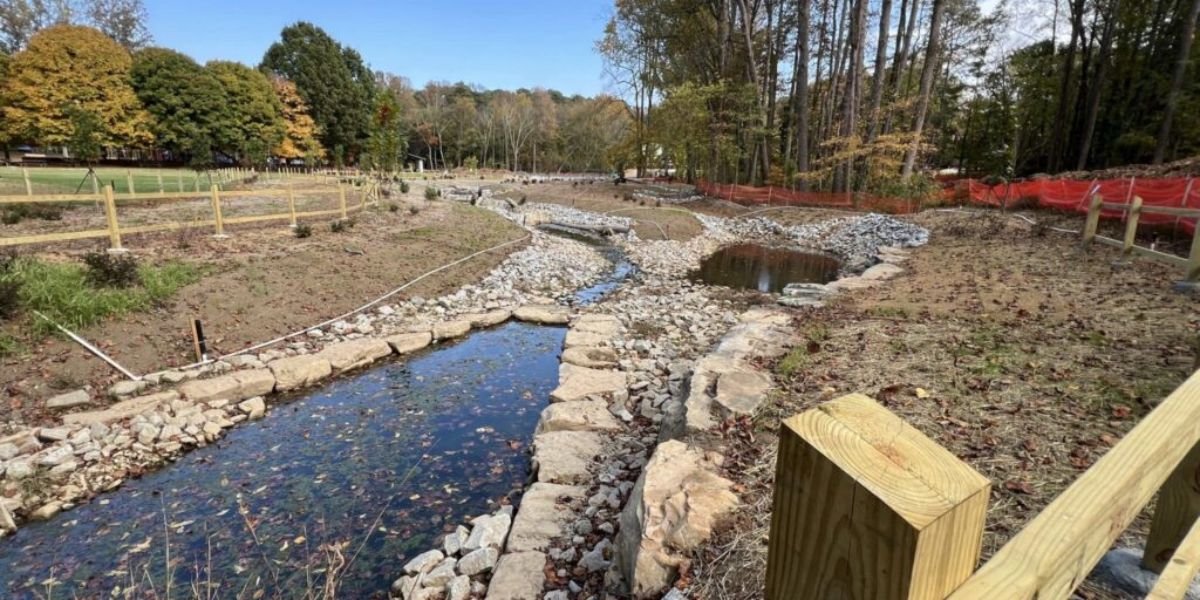
Urban parks play a vital role in managing stormwater, especially in areas prone to flooding and heavy rainfall. Asheville’s plan includes the installation of green infrastructure to manage stormwater naturally and efficiently. This may involve:
- Bioswales or rain gardens to filter runoff
- Improved grading and drainage systems
- Natural buffers around hardscape areas
These features help reduce erosion, protect local waterways, and keep the park usable even during and after storms — all while mimicking natural hydrology and promoting water conservation.
Promoting Health, Equity, and Accessibility
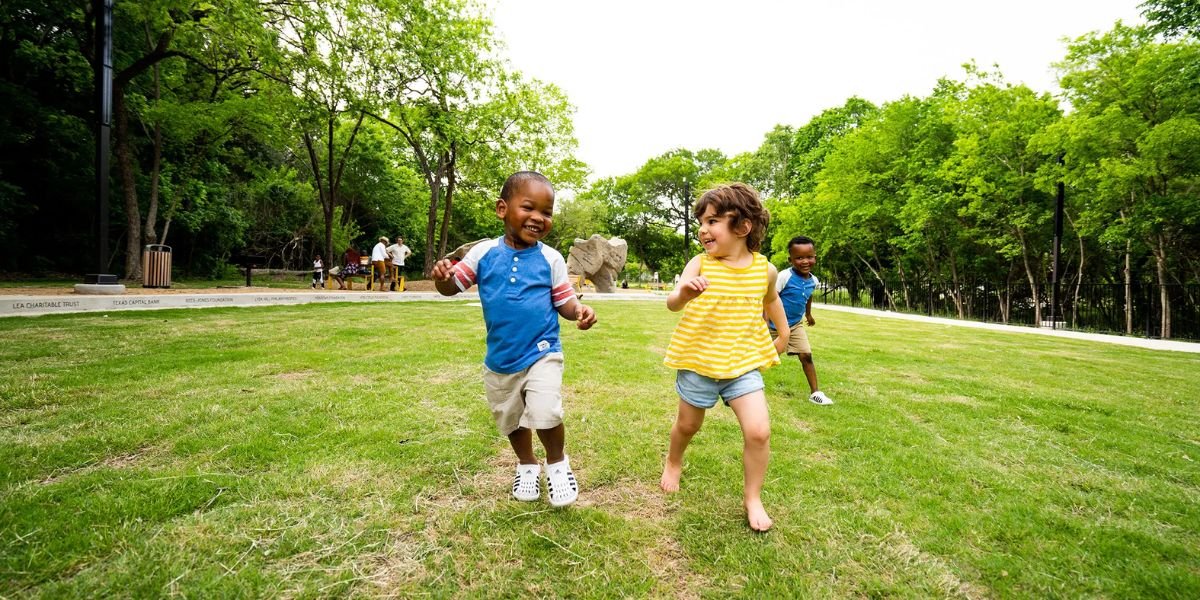
The North Asheville Park project is not just about plants and drainage — it’s also about people. Parks are essential to public health, especially in urban neighborhoods where green space is limited. Regular access to parks has been linked to reduced stress, better mental health, and improved physical fitness.
To ensure these benefits reach everyone, the city is prioritizing ADA compliance, inclusive play features, and multi-generational design. Planned upgrades will improve access for people with disabilities, families with young children, and older adults. Benches, trails, restrooms, and signage will be designed to accommodate a diverse community.
This approach supports Asheville’s larger equity goals and ensures that the park truly serves as a shared public asset.
Community-Driven Design
One of the most inspiring parts of this project is its emphasis on community engagement. The City of Asheville has hosted public input sessions, surveys, and outreach campaigns to gather ideas from residents about what they want in their local park.
Community-driven design ensures that public investments reflect actual community needs and values. Whether it’s new playground equipment, a walking trail, or a quiet natural area, resident feedback is helping shape a space that feels welcoming, useful, and rooted in local culture.
A Model for Other Cities
As cities look for ways to become more climate-ready and socially connected, Asheville’s North Asheville Park Improvement Project offers a replicable model. It shows how public infrastructure investment can deliver environmental, health, and social benefits all at once.
By using green building principles, equity-based planning, and a nature-first design philosophy, Asheville is transforming a single urban park into a resilient community hub.
Cities everywhere can learn from this approach:
- Use every infrastructure upgrade as a chance to reduce environmental impact
- Involve local residents early and often in the design process
- Prioritize access and inclusivity for all populations
- See parks not as luxury, but as climate-smart investments in public health
Final Thoughts
The North Asheville Park Improvements Project is more than a renovation — it’s a vision of urban sustainability in action. As climate pressures mount and cities seek pathways to resilience, Asheville is showing that even modest changes to a local park can create lasting environmental and social impact.
In the process, the city is not just planting trees and paving trails — it’s cultivating community, resilience, and a greener future for all.
Learn more about the project and provide your input here:
https://www.ashevillenc.gov/projects/north-asheville-park-improvements/