Tucked away on the northern slope of Sunset Mountain lies one of Asheville’s most enchanting and historically rich landscapes—Albemarle Park. While many visitors know Asheville for its vibrant downtown or scenic trails along the Blue Ridge Parkway, fewer are aware of this beautifully preserved residential park that once defined a unique vision for mountain living.
Albemarle Park isn’t your typical city park with swings, trails, and open fields. Instead, it is a residential park—a community designed around harmony with nature, rich architecture, and the quiet beauty of mountain surroundings. Today, it offers a different kind of experience for those interested in history, preservation, and Asheville’s early relationship with public green space.
A Vision Rooted in Nature
Founded in the late 19th century, Albemarle Park was developed as a mountain retreat community during a time when Asheville was gaining popularity as a health and leisure destination. The vision came from William Greene Raoul, a railroad executive who wanted to create a resort-style neighborhood where people from the lowlands could escape the summer heat and enjoy mountain air.
Working with landscape designers and architects, Raoul established Albemarle Park with a simple but innovative idea: design a residential area that feels like a park. This meant preserving natural terrain, protecting trees and native plants, and designing roads, paths, and cottages that blended into the mountainside rather than reshaping it.
The result was a park-like neighborhood where winding lanes replaced grid streets, and each cottage looked as if it had grown from the hillside itself.
Historic Architecture Meets Landscape
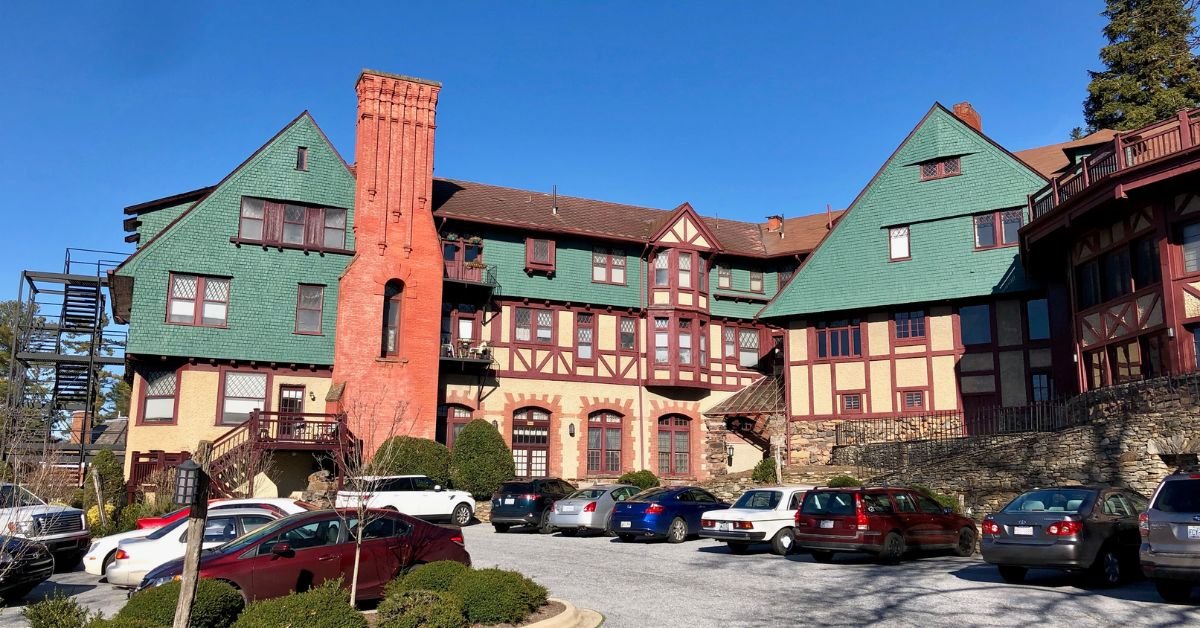
One of the most striking features of Albemarle Park is its architecture. Many of the original buildings still stand today and reflect styles like Arts and Crafts, Shingle Style, and Tudor Revival, which were popular in the late 1800s and early 1900s.
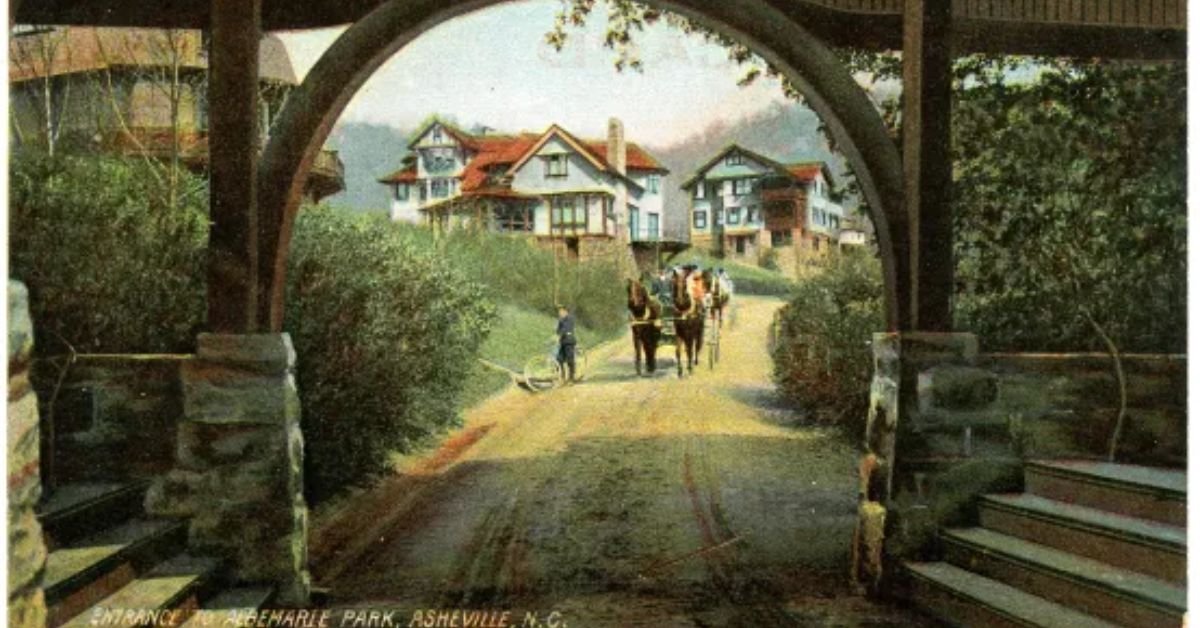
At the heart of the park is the Manor Inn, a once-bustling resort hotel built in 1898 that served as a social hub for guests and residents. While the Inn no longer functions as a hotel, its legacy and architectural beauty remain central to the story of Albemarle Park.
Throughout the neighborhood, the cottages—each with its own unique design and character—are laid out with great care to ensure views of the mountains, natural light, and privacy, all while maintaining the overall harmony of the community.
Today, the park is listed on the National Register of Historic Places, and efforts to preserve its architecture and landscape continue through community engagement and local conservation efforts.
A Living Part of Asheville’s Park Heritage
While Albemarle Park is not a public playground or recreation space like Candace Pickens Memorial Park, it is an essential part of the broader story of Asheville’s parks and green spaces.
It represents a different kind of park experience—one rooted in early urban planning, landscape preservation, and a desire to blend human living with the natural world. In many ways, it set a standard for how development could exist alongside conservation.
At Rebuild Jones Park, where the focus is on community-building through accessible, family-friendly park spaces, Albemarle Park reminds us of the diverse ways parks can serve people. From playgrounds built by volunteers to historic neighborhoods shaped by visionaries, Asheville’s park system is full of stories that teach us how to live better with the land.
Why Albemarle Park Matters Today
In a time when rapid development and urban sprawl often overshadow thoughtful design, Albemarle Park remains a model of sustainable, intentional community planning. The park’s narrow roads, preserved vegetation, and hand-built homes show that development doesn’t have to mean destruction.
For visitors, a stroll through Albemarle Park offers a peaceful escape and a glimpse into Asheville’s past. For residents, it’s a reminder that communities can be built not just for people, but with nature in mind.
It’s also a valuable resource for those interested in:
- Historic preservation
- Landscape architecture
- Community-centered planning
- Cultural tourism in Asheville
Visiting Albemarle Park
While Albemarle Park is a residential area and not a typical public park, it is accessible by foot or car, and respectful visitors are welcome to explore the area’s architecture and landscaping from public roads and sidewalks.
If you go, consider pairing your visit with a stop at the Grove Park Inn or a walk along Charlotte Street. You’ll not only experience one of Asheville’s most charming neighborhoods but also understand how green space, architecture, and heritage can come together to create something timeless.
Parks Come in Many Forms
At Rebuild Jones Park, we’re passionate about creating accessible, inclusive spaces like Candace Pickens Memorial Park, where children, families, and neighbors come together to play, rest, and grow. But we also recognize the value of places like Albemarle Park—quiet, reflective spaces that hold the memory of Asheville’s growth and remind us what’s possible when development and conservation go hand in hand.
To explore more about neighborhood parks and community-built projects, visit:
Candace Pickens Memorial Park – A Neighborhood Park in North Asheville
Let’s celebrate all forms of parks—from playgrounds filled with laughter to mountain neighborhoods filled with history. Because every kind of green space matters.